Diwali Word Search
Click and drag to select words
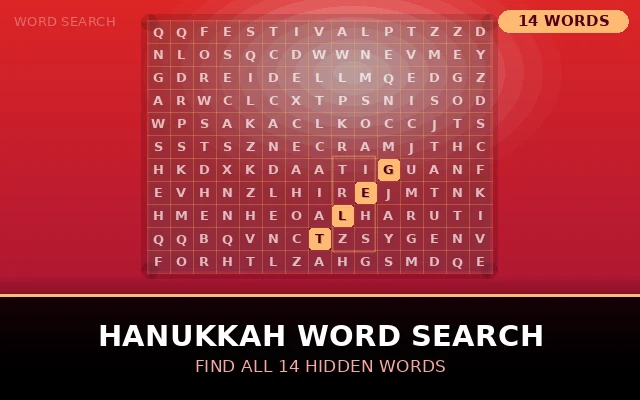
Play the free Hanukkah word search puzzle featuring menorahs, dreidels, and Jewi...
Play Now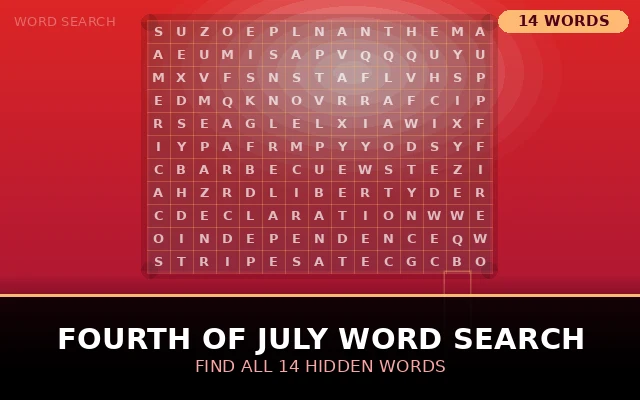
Play the free Fourth of July word search puzzle featuring fireworks, freedom, an...
Play Now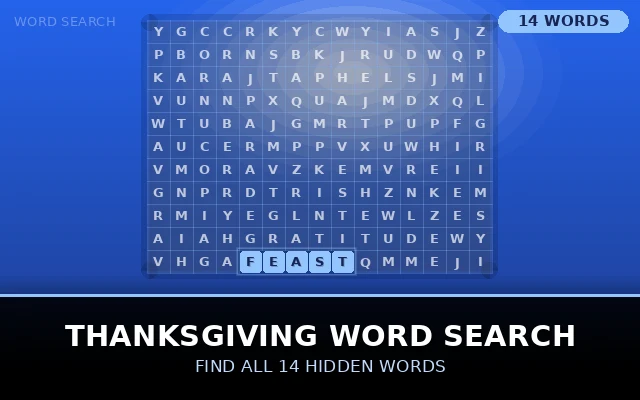
Play the free Thanksgiving word search puzzle featuring turkey, gratitude, and h...
Play NowPlay the free Diwali word search puzzle featuring lights, traditions, and the rich culture of this beloved Hindu festival. Perfect for students, families, and classrooms.
Play the free Hanukkah word search puzzle featuring menorahs, dreidels, and Jewish traditions. A fun, educational puzzle for kids, families, and classrooms.
Play Now
Play the free Fourth of July word search puzzle featuring fireworks, freedom, and patriotic traditions. A festive, educational puzzle for kids, families, and classrooms.
Play Now
Play the free Thanksgiving word search puzzle featuring turkey, gratitude, and harvest traditions. A fun, meaningful puzzle for kids, families, and classrooms.
Play NowDiwali Word Search Guides & Articles
Diwali Word Search: Celebrate the Festival of Lights Through an Engaging Puzzle
Introduction: Illuminating the Festival of Lights
The Diwali word search puzzle offers a wonderful way to explore one of the world's most vibrant and meaningful festivals. Featuring 14 words connected to lights, traditions, and the rich cultural heritage of Diwali, this festival of lights word search provides students, families, and classrooms with an engaging and educational way to learn about this significant celebration observed by hundreds of millions of people around the world.
This article explores the history and meaning behind Diwali, examines the vocabulary featured in the It wordsearch puzzle, and explains why this diwali puzzle serves as such a valuable tool for building cultural awareness and appreciation.
Understanding Diwali: The Festival of Lights
Diwali, also known as Deepavali, is one of the most important and widely celebrated festivals in Hinduism, also observed by Sikhs, Jains, and some Buddhists, each with their own significant traditions connected to the celebration. The name "Diwali" derives from the Sanskrit word "deepavali," meaning "row of lights," reflecting the festival's central tradition of illuminating homes and public spaces with oil lamps, candles, and decorative lights to symbolize the victory of light over darkness and good over evil.
The Spiritual Significance of Diwali
At its core, Diwali celebrates several interconnected spiritual themes across different traditions. In Hindu tradition, the festival commemorates the return of Lord Rama, along with his wife Sita and brother Lakshmana, to the city of Ayodhya after fourteen years of exile and after Rama's victory over the demon king Ravana, as told in the epic Ramayana. According to legend, the people of Ayodhya lit oil lamps to welcome their beloved prince home, establishing the tradition of illumination that remains central to Diwali celebrations today. This story of light triumphing over darkness and good conquering evil forms the spiritual heart of the festival across its various regional and religious interpretations.
Diwali's Connection to Other Traditions
While the Ramayana story provides one important narrative for Diwali, the festival holds different but equally significant meanings for various communities. For many Hindus, Diwali also honors Lakshmi, the goddess of wealth and prosperity, with families cleaning and decorating their homes to welcome her blessings for the coming year. Sikhs celebrate Diwali as Bandi Chhor Divas, commemorating the release of Guru Hargobind Ji from imprisonment, while Jains observe the festival to mark the anniversary of Lord Mahavira's attainment of spiritual liberation, or moksha. This rich diversity of meaning demonstrates how Diwali serves as a unifying celebration across multiple faith traditions, even as each community brings its own significant historical and spiritual context to the festivities.
The Five Days of Diwali
Diwali is traditionally celebrated over five days, each with its own distinct significance and rituals. The festivities typically begin with Dhanteras, a day dedicated to wealth and prosperity, often marked by purchasing gold, silver, or new utensils. The following days include Naraka Chaturdashi, commemorating the defeat of a demon king; the main day of Diwali itself, featuring the primary lighting celebrations and prayers to Lakshmi; Govardhan Puja, honoring a story of divine protection; and finally Bhai Dooj, a day celebrating the bond between brothers and sisters. This multi-day structure allows for a rich variety of traditions and celebrations throughout the festival period.
Lights, Lamps, and Decorations
The most visually striking aspect of Diwali celebrations involves the extensive use of lights and decorations throughout homes and communities. Traditional oil lamps called diyas, typically made of clay and filled with oil, are lit and placed throughout homes, courtyards, and public spaces, creating a breathtaking visual display after sunset. Many families also create intricate rangoli designs, colorful patterns made from colored powder, rice, or flower petals, placed at entryways to welcome guests and invite good fortune into the home. In recent decades, electric string lights have also become increasingly popular, adding a modern element to this ancient tradition while maintaining the festival's core emphasis on illumination.
Fireworks and Festive Celebrations
Fireworks have become an integral part of Diwali celebrations in many regions, particularly in India, where elaborate firework displays light up the night sky throughout the festival period. While environmental and safety concerns have led to increased discussion about more sustainable celebration practices in recent years, fireworks remain a beloved tradition for many families, symbolizing joy, celebration, and the triumphant spirit of the festival.
Food and Sweets During Diwali
Food plays a central role in Diwali celebrations, with families preparing and sharing an abundance of traditional sweets and savory dishes throughout the festival period. Popular Diwali sweets include ladoo, barfi, and gulab jamun, each offering distinct flavors and textures that vary by regional tradition. Sharing these sweets with family, friends, and neighbors represents an important social custom during Diwali, reinforcing themes of community, generosity, and celebration that run throughout the festival's various traditions.
Diwali Around the World
While Diwali originated in South Asia, the festival is now celebrated by diaspora communities and enthusiastic participants around the world, from elaborate celebrations in cities like London, New York, and Sydney to recognition at national and international levels. Some countries have even officially recognized Diwali as a public holiday, reflecting the festival's growing global significance and the increasing appreciation for its themes of light, hope, and renewal across diverse cultural contexts.
The Universal Themes of Diwali
Beyond its specific religious and cultural origins, Diwali carries universal themes that resonate broadly: the triumph of light over darkness, good over evil, and knowledge over ignorance. These themes, combined with the festival's emphasis on family gathering, community connection, and renewal, help explain why Diwali has grown into one of the most widely recognized and celebrated festivals globally, appreciated by people of many different backgrounds and beliefs.
Why Diwali Vocabulary Matters for Cultural Education
Understanding diwali vocabulary provides students and families with valuable insight into one of the world's richest cultural and religious traditions.
Building Cultural Awareness: Learning about Diwali helps students appreciate the diversity of global religious and cultural traditions, fostering greater understanding and respect.
Connecting to Diverse Communities: For students and families with South Asian heritage, this puzzle offers a meaningful way to celebrate and reinforce connection to cultural traditions.
Cross-Curricular Learning: Diwali connects naturally to subjects like world religions, geography, and art, particularly through the intricate tradition of rangoli design.
Promoting Global Citizenship: Understanding festivals like Diwali helps children develop broader awareness and appreciation of the diverse cultural celebrations that take place around the world.
St Patricks Day Word Search
Fourth of July Word Search
Mothers Day Word Search
Halloween Word Search
Thanksgiving Word Search
Easter Word Search
Valentine's Day Word Search
New Year Word Search
Hanukkah Word Search
Tips for Solving the Diwali Word Search
To make the most of this indian festival puzzle, consider these strategies:
- Review the word list first — Familiarizing yourself with all 14 words before starting helps you recognize relevant patterns more efficiently.
- Look for culturally significant terms — Words related to lights, traditions, and Diwali customs often have distinctive letter combinations.
- Search systematically — Scan the grid in a consistent pattern to ensure thorough coverage.
- Learn as you search — Take time to research any unfamiliar terms after completing the puzzle to deepen your cultural understanding.
Who Enjoys This Puzzle Most?
This culturally rich puzzle appeals to a broad audience:
- Students learning about world religions and global cultural celebrations
- Teachers planning multicultural education units or Diwali classroom celebrations
- Families celebrating Diwali who want a fun, educational activity to share together
- Homeschool educators covering world cultures and religious diversity
- Puzzle enthusiasts interested in learning about global traditions
Extending the Celebration Beyond the Puzzle
After completing this word search, consider exploring related activities such as creating a simple rangoli design, learning about the story of Rama and Sita from the Ramayana, or trying a traditional Diwali sweet recipe. These activities naturally extend the cultural themes introduced in the puzzle.
Diwali and Family Renewal Traditions
In addition to lighting and decoration, Diwali involves significant traditions of cleaning and renewing the home, as families thoroughly clean their houses in the days leading up to the festival, believing this practice welcomes prosperity and positive energy for the year ahead. Many families also purchase new clothing or household items during Diwali, symbolically embracing renewal and fresh beginnings alongside the festival's spiritual themes. This diwali traditions word search vocabulary connects directly to these meaningful preparatory customs that precede the main celebration itself.
Gift-giving also plays an important role during Diwali, with families and friends exchanging sweets, dried fruits, and small presents as expressions of goodwill and strengthened relationships. Business communities often consider Diwali particularly significant for starting new ventures or making important financial decisions, reflecting the festival's strong association with prosperity and new beginnings within Hindu tradition.
Diwali's Growing Global Recognition
In recent years, Diwali has received increasing official recognition beyond South Asian communities, with landmarks around the world illuminating in celebration and some governments incorporating Diwali observances into broader multicultural calendars. This growing global recognition reflects both the significant size of South Asian diaspora communities worldwide and increasing appreciation for the festival's universal themes of hope and renewal, making this festival of lights word search increasingly relevant for cross-cultural educational settings.
Connecting Diwali to Broader Themes of Light and Hope
Diwali shares thematic connections with light-centered festivals celebrated across many different cultures and religious traditions throughout the winter months, from Hanukkah to various winter solstice celebrations. Exploring these connections through this diwali word search offers valuable opportunities for comparative cultural education, helping students recognize both the unique specificity of Diwali's traditions and the broader human tendency to celebrate light and renewal during darker seasons of the year.
Conclusion
The Diwali word search puzzle offers a meaningful way to explore and celebrate one of the world's most vibrant and spiritually significant festivals. From the legendary story of Rama's return to Ayodhya to the dazzling displays of lights, lamps, and fireworks that illuminate the night sky, this diwali word search helps players engage respectfully and educationally with the rich traditions of this beloved celebration. Whether used in classrooms, at home, or as part of a broader Diwali celebration, this puzzle offers an enjoyable and culturally enriching experience for solvers of all backgrounds.
Target Keywords: diwali word search, festival of lights word search, diwali puzzle, hindu festival word search, free word search puzzles, holiday word search for kids, diwali traditions word search, educational word search puzzles, diwali vocabulary, indian festival puzzle, word search game online, diwali celebration