Olympic Sports Word Search
Click and drag to select words
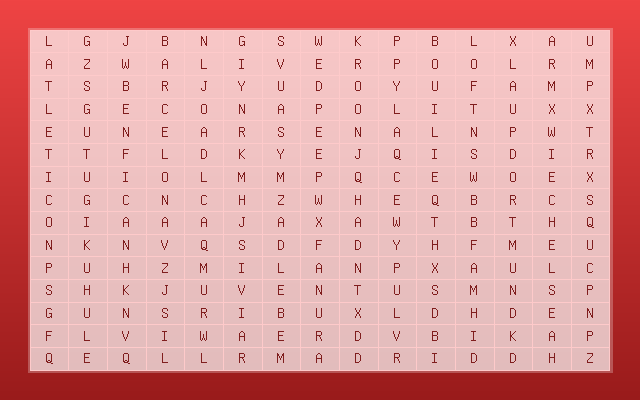
Lakers, Yankees, United and more. Play our Football Teams word search and find i...
Play Now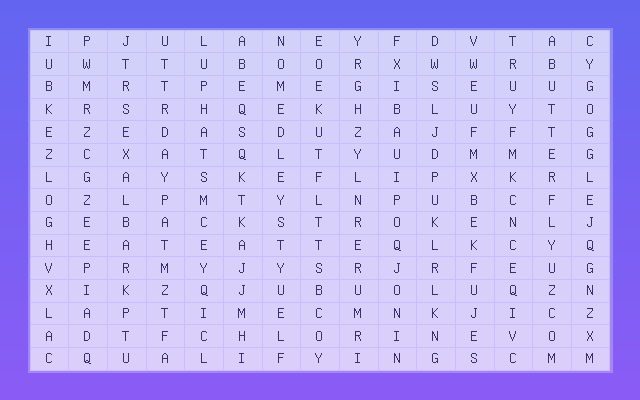
Freestyle, lap, butterfly and more. Play our Swimming Terms word search and dive...
Play Now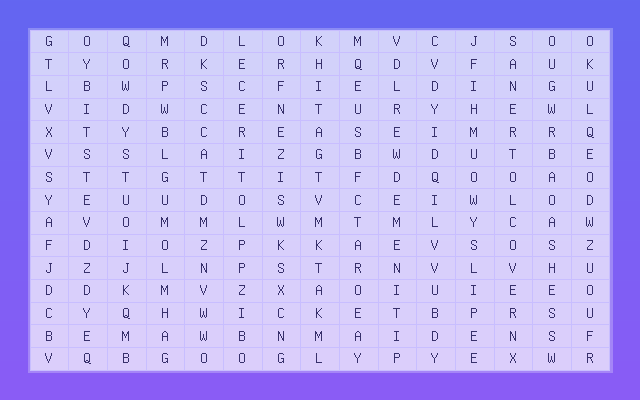
Wicket, bowler, innings and more hidden in the grid. Play our Cricket Terms word...
Play NowDiscover Olympic sports hidden in the grid. Play our Olympic Sports word search and test your knowledge of the Games. Free online no sign-up needed.
Lakers, Yankees, United and more. Play our Football Teams word search and find iconic sporting clubs. Free online puzzle no registration needed.
Play Now
Freestyle, lap, butterfly and more. Play our Swimming Terms word search and dive into pool vocabulary. Free online puzzle no registration needed.
Play Now
Wicket, bowler, innings and more hidden in the grid. Play our Cricket Terms word search and learn the games vocabulary. Free online no sign-up need.
Play NowOlympic Sports Word Search Guides & Articles
Olympic Sports Word Search: A Fun and Educational Journey Through the Games
The world of puzzles has always captivated minds young and old, offering both entertainment and mental stimulation. Among the various puzzle formats available today, word search puzzles stand out as accessible and enjoyable activities that appeal to a broad audience. When combined with the exciting theme of global athletic competitions, these puzzles transform into something even more special — creating an engaging way to learn about different disciplines while having fun.
Word search puzzles have evolved significantly since their inception in the 1960s. What began as simple grids with hidden words has transformed into sophisticated educational tools that serve multiple purposes. Modern puzzle creators design grids that not only challenge solvers but also educate them about specific topics. When the subject matter involves international sporting events, these puzzles become windows into a world of athletic excellence, cultural exchange, and human achievement.
The beauty of sports-themed word searches lies in their versatility. They can be adapted for different age groups, skill levels, and educational objectives. Elementary school students might work on puzzles featuring basic sport names and simple terminology, while older students and adults can tackle more complex grids that include technical terms, athlete names, historical events, and detailed sporting vocabulary. This adaptability makes them valuable resources for educators, parents, and anyone interested in combining learning with leisure.
Understanding the Appeal of Sports-Themed Puzzles
Word search puzzles have maintained their popularity for decades because they offer a perfect blend of challenge and relaxation. Players search for hidden words within a grid of letters, scanning horizontally, vertically, and diagonally to find their targets. When the theme revolves around international athletic competitions, these puzzles become educational tools that help people familiarize themselves with various disciplines and events.
For educators, parents, and puzzle enthusiasts, sports-themed word searches serve multiple purposes. They help younger learners develop vocabulary related to athletics, improve pattern recognition skills, and enhance concentration abilities. Meanwhile, adults find them to be relaxing brain exercises that provide a welcome break from daily stress while celebrating the spirit of global sporting events.

The Educational Value of Athletic Word Puzzles
Creating engaging learning experiences through puzzles has proven remarkably effective in educational settings. When students work on finding words related to athletic competitions, they're not just solving a puzzle — they're building knowledge about different disciplines, terminology, and the structure of international sporting events.
Teachers often incorporate these activities into physical education curricula or use them during periods when outdoor activities aren't possible. The puzzles provide an excellent introduction to discussions about how athletic competitions evolved, helping students understand how competitions have changed over time. As they search for words, learners naturally become curious about unfamiliar terms, leading to deeper exploration of various disciplines.
Research has shown that puzzle-solving activities enhance cognitive function, improve memory retention, and develop problem-solving skills. When the content relates to athletic competitions, students also gain cultural awareness about how different nations excel in various disciplines, learning about Olympic sports by country and understanding the global nature of these events.
Beyond cognitive benefits, these puzzles foster important soft skills. Students develop patience as they methodically scan grids for hidden words. They learn persistence when faced with challenging puzzles that require sustained effort. The satisfaction of completing a difficult word search builds confidence and encourages learners to tackle increasingly complex challenges.
Group puzzle-solving creates opportunities for collaboration and communication. Students working together on a large grid must coordinate their efforts, share discoveries, and support each other through difficult sections. These social interactions transform individual puzzle-solving into team-building exercises that develop interpersonal skills alongside academic knowledge.
For students learning English as a second language, sports vocabulary provides an engaging entry point. Athletic terms often transcend language barriers — many sport names are recognizable internationally, making them less intimidating for language learners. The visual nature of word searches supports vocabulary acquisition by providing context clues and pattern recognition opportunities that complement traditional language instruction methods.
Exploring Different Athletic Disciplines in Puzzles
One of the most exciting aspects of sports word searches is the variety of disciplines they can feature. From summer competitions to winter events, there's an incredible range of activities to discover and learn about.
Popular Summer Competitions
Summer Olympic sports dominate many puzzle designs because of their wide variety and global appeal. These warm-weather competitions include some of the most recognized and beloved athletic activities worldwide. Summer Olympic sports feature disciplines that have been part of the games for over a century, as well as newer additions that reflect changing athletic interests.
When people search for these puzzles, they often look for comprehensive collections that include classic activities. Olympic gymnastics represents one of the most watched and admired disciplines, combining strength, flexibility, and artistic expression. Athletes in this field train for years to perfect routines that last just minutes but demonstrate extraordinary skill and dedication.
Olympic swimming captures attention during every summer games, with legendary performances in the pool creating memorable moments. From sprints to distance events, from individual races to relays, aquatic competitions showcase human speed and endurance in water. The sport has produced some of the most decorated competitors in history.
Olympic track and field encompasses a vast array of running, jumping, and throwing events. Often called athletics, this category represents the heart of summer competitions, featuring sprints, marathons, hurdles, pole vault, long jump, shot put, javelin, and many other disciplines. These events test pure athletic ability and have been central to the games since ancient times.
Team sports also feature prominently in summer programs. Olympic basketball has grown into a global showcase, with countries from every continent fielding competitive teams. The sport's inclusion has helped spread basketball's popularity worldwide and created opportunities for players to represent their nations on the grandest stage.
Olympic soccer/football draws massive viewership and passionate support. While professional leagues dominate headlines throughout the year, the tournament provides unique opportunities for younger players and creates special moments of national pride. The competition's age restrictions make it distinct from other international tournaments.
Olympic volleyball, both indoor and beach variants, combines athleticism with strategy. Teams must work in perfect synchronization, requiring communication and split-second decision-making. The sport's dynamic nature makes it exciting to watch and rewarding to play.
Olympic tennis brings together the world's best players for a different kind of competition than their usual tour events. Representing one's country adds emotional significance that differs from individual tournaments, creating memorable performances and surprising outcomes.
Other summer disciplines continue to captivate audiences. Olympic diving showcases grace and precision as athletes execute complex maneuvers from great heights. The judging criteria emphasize technique, difficulty, and execution, rewarding those who master their craft through countless hours of practice.
Winter Competitions and Cold-Weather Sports
Winter athletic events bring their own excitement and challenge. Olympic figure skating, which includes singles, couples, and ice dance contests, blends athleticism and artistic talent. Skaters perform intricate jumps, spins, and footwork sequences set to music, creating performances that blend sport and art seamlessly. The technical difficulty of triple and quadruple jumps pushes the boundaries of what human bodies can achieve on ice, while artistic components ensure performances remain emotionally engaging and culturally relevant.
Olympic skiing encompasses numerous disciplines including downhill, slalom, cross-country, and freestyle events. Each variant requires different skills, from the raw speed of downhill racing to the endurance needed for cross-country competitions. Ski jumping and aerial events add spectacular visual elements. Alpine skiing combines speed with precision, as racers navigate gates at velocities exceeding 80 miles per hour. Nordic skiing emphasizes endurance and technique over long distances. Freestyle skiing introduces creativity and aerial acrobatics, with athletes performing flips and twists while soaring through the air.
Olympic ice hockey generates intense competition and national pride. The sport's fast pace and physical nature create dramatic contests, with tournament formats producing unexpected results and underdog stories that become legendary. Professional players from various leagues come together to represent their nations, creating unique team dynamics and showcasing different playing styles. The intensity of tournament hockey, where single elimination can end medal hopes, produces some of the most memorable moments in winter sports.
Contact sports maintain their place in winter programs as well. Olympic wrestling, though typically associated with summer games, represents one of the oldest competitive activities. Athletes engage in intense one-on-one contests that test strength, technique, and tactical thinking. Wrestling requires mental fortitude alongside physical prowess, as competitors must read opponents, execute strategies, and maintain composure under pressure.
Winter sports also include precision events like curling, where strategy and teamwork determine success more than raw athleticism. Bobsled and luge combine technology with human skill, as athletes pilot precisely engineered sleds down icy tracks at tremendous speeds. These sports demonstrate the diversity of winter competitions, showing that excellence comes in many forms.
Finding Quality Puzzle Resources
People searching for these educational activities often wonder about finding Olympic sports word search answers to check their work or help stuck solvers. Quality puzzles typically include solutions, allowing users to verify their progress and learn from any words they couldn't locate. Answer keys serve multiple purposes beyond simple verification — they help educators assess student progress, enable self-directed learning, and ensure puzzles serve their intended educational purpose.
Some enthusiasts specifically seek resources with an Olympic sports word search answer key, which provides quick reference for educators managing classroom activities or parents helping children with homework. These answer keys ensure puzzles serve their educational purpose effectively, allowing learners to confirm they've mastered the vocabulary. Well-designed answer keys often include additional information about the words themselves, turning verification into extended learning opportunities.
Theme-specific collections like those focusing on Tokyo summer games word search Olympic sports commemorate particular events and help people remember specific competitions. These specialized puzzles celebrate hosting cities and the unique aspects of each gathering, creating lasting educational resources about particular moments in sporting history. Collections might feature sports that debuted at specific games, highlight host nation achievements, or focus on memorable performances and record-breaking moments.
Digital resources have expanded access to quality puzzles significantly. Online platforms allow users to generate custom word searches with specific vocabulary lists, adjust difficulty levels, and print unlimited copies. Interactive digital versions provide instant feedback, track completion times, and offer hints when solvers get stuck. These technological advances make high-quality puzzles accessible to broader audiences than ever before.
Print resources remain popular despite digital alternatives. Many educators and parents prefer physical puzzles for classroom use or family activities. Published puzzle books offer curated collections organized by theme, difficulty, or educational objective. These books often include supplementary materials like vocabulary lists, discussion questions, and extension activities that transform simple puzzles into comprehensive learning units.
Libraries and educational resource centers maintain collections of puzzle materials, making them freely available to communities. These public resources ensure everyone has access to quality educational tools regardless of economic circumstances. Many libraries also host puzzle clubs or competitions that bring enthusiasts together, building community around shared interests in word games and athletic knowledge.
Creating Educational Experiences Around Global Competitions
Educators and parents can enhance puzzle-solving activities by connecting them to broader learning objectives. After completing a word search, students might research specific disciplines they found interesting, watch videos of competitions, or learn about famous competitors who excelled in those events.
Understanding how Olympic team selection works adds depth to appreciation of competitions. Different nations use various qualification systems, from trials to selection committees to performance-based automatic qualification. Learning about these processes helps students appreciate the journey athletes take to represent their countries.
Olympic trials in various nations create their own dramatic narratives. In some countries, these qualifying events draw massive attention as athletes compete not against international rivals but against teammates for limited spots on national teams. The pressure and stakes of trials often produce performances as memorable as the games themselves.
The Olympic training required for different disciplines varies tremendously. Endurance athletes might log hundreds of miles monthly, while gymnasts focus on perfect repetition of specific skills. Understanding these training demands helps puzzle solvers appreciate the dedication required to compete at elite levels.
Historical Context and Evolution
Exploring Olympic sports history through puzzles provides opportunities to learn how competitions have changed. Many current disciplines didn't exist in early modern games, while some historical events have been discontinued. This evolution reflects changing athletic interests, technological advances, and shifting global participation.
New Olympic sports 2024 represented significant additions to the program, with sports like breaking (breakdancing), skateboarding, and sport climbing continuing recent trends toward younger, more urban-focused activities. These additions aim to keep competitions relevant to new generations while maintaining traditional core events.
Understanding what the newest Olympic sports are helps puzzle enthusiasts stay current with program changes. The process for adding disciplines involves years of development, demonstration, and evaluation before official inclusion. Learning about this selection process connects puzzle-solving to real-world decision-making and organizational processes.
Record-Breaking Performances and Achievements
The highest level of human athletic achievement is represented by Olympic records. These marks inspire puzzle solvers to learn about extraordinary performances that pushed boundaries of what seemed possible. Records fall when perfect preparation meets ideal conditions and exceptional talent.
Some records stand for decades, becoming legendary benchmarks that define excellence in particular disciplines. Others fall regularly as training methods improve, technology advances, and larger pools of athletes compete globally. Understanding this context enriches appreciation of athletic accomplishment, particularly when examining Olympic medal sports and their record progressions.
The pursuit of records drives Olympic athletes to continual improvement. Even competitors who don't win medals contribute to pushing standards higher, creating an environment where excellence becomes the norm rather than the exception.
Organizational Structure and Governance
The International Olympic Committee oversees the entire movement, making decisions about host cities, sports programs, and rules governing competitions. Understanding this organization helps puzzle enthusiasts appreciate how global athletic events operate at the highest level.
Olympic sport federations govern individual disciplines, setting rules, organizing world championships, and developing their sports globally. These federations work with the organizing committee to ensure proper representation and fair competition for their disciplines during games.
Different nations have their own organizing committees that coordinate Olympic qualifying events, manage athlete development programs, and handle logistics for sending teams to competitions. These national organizations play crucial roles in supporting athletes throughout their careers.
Venue Planning and Legacy
Olympic venues represent major investments by host cities and nations. Planning facilities that can serve both competitions and post-games community use presents significant challenges. Successful venues become landmarks that continue serving their communities for decades.
Understanding facility requirements for different disciplines helps puzzle solvers appreciate the complexity of hosting. Swimming needs specific pool dimensions, track and field requires precisely measured facilities, and team sports need arenas meeting international standards. Winter sports often require natural geography with specific snow conditions or mountain elevations.
The legacy of these facilities extends beyond physical structures to include infrastructure improvements, tourism development, and community programs. Well-planned games can transform host cities, though poorly planned ones can leave expensive unused facilities.
Global Participation and Excellence
Examining which country is best at Olympic sports leads to interesting discussions about population, resources, sports culture, and national priorities. Medal counts provide one measure, but participation rates, athlete development programs, and sports accessibility offer other perspectives on national success. Nations approach athletic development differently based on their unique circumstances, resources, and cultural values.
Different nations excel in different disciplines based on geography, culture, and investment. Countries with extensive coastlines often produce excellent swimmers and sailors. Mountain nations develop strong winter sports programs. These patterns create rich discussions about how environment and culture shape athletic excellence. Island nations might dominate in water sports, while countries with cold climates naturally develop robust winter sports infrastructures. Understanding these patterns helps students appreciate how local conditions influence global competitions.
Most popular Olympic sports vary by region and culture. While some events draw universal attention, others have strong regional followings. Understanding these preferences helps explain why certain nations invest heavily in specific disciplines while others focus elsewhere. Cricket-playing nations might emphasize field sports, while countries with strong martial arts traditions often excel in combat sports. These cultural connections make sporting competitions windows into different societies and value systems.
Emerging sporting nations often focus resources on specific disciplines where they can compete effectively rather than spreading investments thinly across all sports. This strategic approach allows smaller nations to achieve excellence in particular areas, creating opportunities for medal success despite limited overall resources. Such strategies demonstrate that sporting success depends not just on wealth or population but on smart planning, dedicated coaching, and athlete support systems.
Talent identification programs help nations discover and develop promising athletes from young ages. Some countries employ systematic screening programs that test children for physical attributes suited to specific sports. Others rely more on grassroots participation, allowing natural talent to emerge through widespread access to sports facilities and coaching. Both approaches have produced champions, and studying different models provides insights into athlete development best practices.
The economics of sporting excellence present fascinating topics for discussion. Hosting major competitions requires massive investments in facilities, infrastructure, and organizational capacity. Nations weigh these costs against potential benefits including international prestige, tourism revenue, and domestic sports participation increases. Examining these tradeoffs helps students understand the complex decision-making involved in bidding for and hosting major sporting events.
Inclusion and Diversity in Athletic Competitions
Women's Olympic sports have expanded dramatically throughout competition history. Early modern games excluded female competitors entirely, but gradual inclusion has led to near parity in many disciplines. Some events now feature women's competitions that didn't exist decades ago, reflecting broader social changes. The journey toward gender equality in sports mirrors wider societal progress, with each advance creating new opportunities and inspiring future generations of female athletes.
The progression of women's participation tells a powerful story. From a handful of events in the early 20th century to comprehensive programs featuring nearly all sports available to men, the transformation has been remarkable. Women now compete in marathons, boxing, wrestling, and other events once considered unsuitable for female participation. These changes demonstrate how social attitudes evolve and how sporting institutions can lead cultural shifts toward greater equality.
Paralympic sports deserve recognition alongside traditional competitions. These events showcase remarkable athleticism and determination, with athletes overcoming challenges to compete at the highest levels. Including Paralympic information in word searches educates solvers about the broader athletic movement. Paralympic competitions feature adapted versions of traditional sports plus unique events designed specifically for athletes with various disabilities. The skill, speed, and competitiveness on display challenge misconceptions about disability and athletic performance.
Paralympic athletes often train as intensively as their able-bodied counterparts, dedicating years to perfecting techniques and building competitive fitness. Their stories of perseverance inspire broader audiences and demonstrate that athletic excellence transcends physical differences. Many Paralympic records approach or even exceed performance levels once considered possible only for able-bodied athletes, highlighting how human potential continually expands when given opportunity and support.
Youth Olympic sports introduce young athletes to international competition in a developmental context. These events for teenage competitors emphasize education and cultural exchange alongside competition, helping prepare future generations of athletes while celebrating youth achievement. The youth games provide stepping stones toward senior competitions while maintaining age-appropriate competitive environments that prioritize long-term development over immediate results.
Age-group competitions serve multiple purposes. They create pathways for talent development, allowing promising young athletes to gain international experience before transitioning to senior levels. They also promote sports participation among youth globally, encouraging active lifestyles and introducing young people to different cultures through sport. The educational components of youth games distinguish them from senior competitions, with participants attending workshops on topics like nutrition, anti-doping, and career planning alongside their competitive schedules.
Efforts to increase geographic diversity continue evolving. Programs that support athlete development in underrepresented regions help ensure global competitions truly reflect worldwide participation. Technical assistance, coaching development, and facility improvements in developing nations create opportunities for athletes who might otherwise lack resources to pursue competitive careers. These initiatives recognize that talent exists everywhere but opportunities remain unevenly distributed.
Answering Common Questions About Athletic Competitions
Many people wonder how many sports are in the Olympics, and the answer changes over time as programs evolve. Recent summer games featured over 30 sports encompassing hundreds of individual events. Winter programs include fewer sports but still offer diverse competition across multiple disciplines.
The question of what sports are in the Olympics generates ongoing interest as programs change between games. Core sports like athletics and swimming remain constant, while others enter and exit based on popularity, global participation, and organizing committee decisions.
Curiosity about which Olympic sport is most watched typically points to athletics, swimming, and gymnastics in summer games, with figure skating and alpine skiing popular during winter competitions. Viewership varies by nation, with people naturally favoring sports where their countries excel.
Understanding how to qualify for Olympic sports involves complex systems varying by discipline and nation. Some sports use world rankings, others require specific qualifying times or scores, and some employ tournament systems. Many athletes spend years working toward qualification standards in their events.
Educational Resources and Future Games
Looking ahead, Los Angeles 2028 Olympic sports will continue evolving the program while maintaining core traditions. Host cities influence program decisions, potentially adding sports with strong local followings or facilities already available.
Similarly, future summer and winter games will reflect changing global athletic interests. Tokyo Olympics sports included innovations that younger audiences embraced, suggesting future programs will continue balancing tradition with contemporary relevance.
Paris Olympics sports showcased the host city's character while maintaining international standards. Each host brings unique flavor to their games while ensuring fair competition and athlete welfare remain priorities.
What Makes Olympic Sports Word Searches Special?
Unlike traditional word searches that might focus on random vocabulary, Olympic-themed puzzles immerse solvers in the rich tapestry of international athletics. These puzzles typically feature sport names ranging from the familiar — basketball, swimming, and gymnastics — to the more specialized disciplines like fencing, archery, and modern pentathlon. The diversity of Olympic sports means that each puzzle can be a learning experience, introducing solvers to athletic competitions they might never have considered before.
The charm of these puzzles comes from how flexible they are. They can be tailored to focus on summer Olympics, winter Olympics, or a comprehensive mix of both. A winter sports edition might include skiing, bobsled, curling, and figure skating, while a summer version could feature athletics, rowing, sailing, and equestrian events.
Educational Benefits Beyond Entertainment
Olympic sports word searches serve as more than just casual entertainment. For students, these puzzles offer a gateway to understanding global culture and international cooperation. As children search for words like "judo," "taekwondo," or "badminton," they're exposed to sports that have cultural significance in different parts of the world. This exposure can spark curiosity about the origins of these sports and the countries that excel in them.
Teachers frequently incorporate these puzzles into physical education curricula or during Olympic years as a way to build excitement around the Games. The activity promotes spelling skills, pattern recognition, and concentration while simultaneously teaching about different athletic disciplines. It's hands-on learning that doesn't feel like traditional schoolwork, making it particularly effective for engaging reluctant learners.
Creating the Perfect Olympic Word Search Experience
The design of an Olympic sports word search can vary significantly in complexity. Beginner puzzles might feature larger grids with fewer words, all arranged horizontally or vertically for easier discovery. These are perfect for younger children or those new to word searches. Intermediate versions introduce diagonal placements and backward words, increasing the challenge. Advanced puzzles might include overlapping words, smaller fonts, and extensive sport lists that encompass both popular and obscure Olympic events.
The most engaging Olympic word searches often incorporate visual elements that enhance the theme. Borders decorated with Olympic rings, torch designs, or silhouettes of athletes in action can transform a simple puzzle into an immersive experience. Some creators include small facts about each sport alongside the puzzle, turning the activity into a comprehensive learning tool.
Digital vs. Printable Formats
In today's digital age, Olympic sports word searches are available in both traditional printable formats and interactive digital versions. Printable puzzles remain popular for their tactile nature — there's something satisfying about circling words with a pen or highlighter. They're also incredibly portable and require no technology, making them perfect for travel, waiting rooms, or classroom settings without device access.
Digital versions, however, offer unique advantages. They can include timed challenges, hint systems, and immediate feedback. Many digital Olympic word searches feature auto-checking that highlights correct finds, making them more accessible for younger users who might get discouraged with traditional formats. Some apps even include difficulty levels that adjust based on performance, ensuring the challenge remains engaging.
Competitive and Social Aspects
Olympic sports word searches can easily be transformed into competitive activities. Families can race against each other to complete the same puzzle, classrooms can organize tournaments, and online communities share custom puzzles with varying difficulty levels. This competitive element mirrors the Olympic spirit itself, encouraging friendly rivalry and personal achievement.
Social media has given these puzzles new life, with educators and puzzle enthusiasts sharing their creations across platforms. Many websites offer free downloadable Olympic word searches, particularly during Olympic years, creating a sense of global community as people worldwide engage with the same puzzles while watching the Games.
Customization for Special Events
One of the most appealing aspects of Olympic sports word searches is their adaptability. You can tailor them for each Olympic Games, showing only the sports that are part of that specific event. The Paris 2024 Olympics, for instance, introduced breaking as a new sport, which could be incorporated into contemporary puzzles. Similarly, word searches can focus on Paralympic sports, highlighting the incredible achievements of adaptive athletes and promoting inclusivity.
People who organize events often make personalized Olympic word searches for parties celebrating the Olympics, school activities focused on the Olympics, or team-building events at companies. These personalized puzzles might include team names, host city information, or even athlete names alongside the sports themselves, creating a comprehensive themed activity.
Therapeutic and Cognitive Benefits
Beyond education and entertainment, word searches — including Olympic-themed varieties — offer genuine cognitive benefits. They improve focus and concentration, enhance problem-solving skills, and provide a meditative quality that can reduce stress. For older adults, regularly engaging with word puzzles has been associated with maintaining cognitive function and memory retention.
The Olympic sports theme adds an extra layer of mental stimulation by requiring recall of sport names and categories. This combination of visual scanning and memory retrieval exercises different parts of the brain simultaneously, making it a valuable tool for cognitive health across all age groups.
Read More: Classic Movies Word Search
Conclusion: The Lasting Value of Sports Puzzles
Word search puzzles centered on global athletic competitions offer more than simple entertainment. They provide educational opportunities, encourage learning about different cultures and disciplines, and celebrate human achievement through sport. These activities introduce people to the thrill and ideals of international sports, whether they are employed in classrooms, enjoyed at home, or shared among puzzle fans.
For those seeking to deepen their engagement with these puzzles, resources exist to support learning and enjoyment. From answer keys that verify solutions to comprehensive collections covering multiple games, quality materials help maximize the educational and entertainment value of every puzzle.
As global competitions continue evolving and new athletic disciplines emerge, word search puzzles will adapt accordingly, ensuring future generations can discover the excitement of international sports through this accessible, enjoyable format. The combination of mental challenge and athletic celebration creates lasting appeal that transcends age, culture, and experience level, making sports-themed word searches a valuable tool for education and entertainment alike.