Word Search Puzzles for Kids
Click and drag to select words
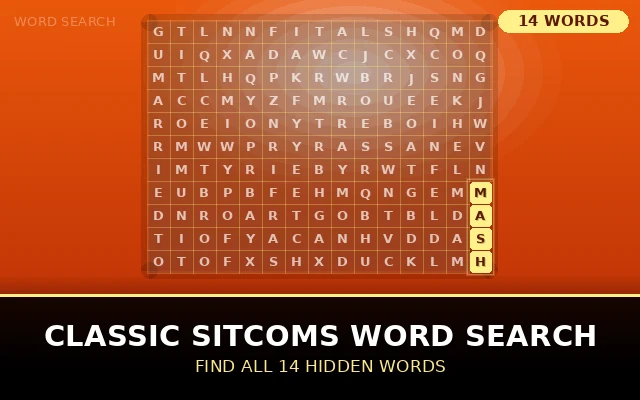
Seinfeld, Frasier, Cheers and more. Play our Classic Sitcoms word search and fin...
Play Now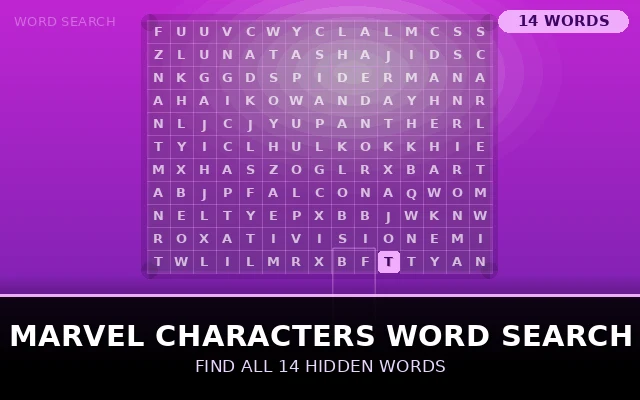
Iron Man, Spider-Man, Thor and more. Play our Marvel Characters word search and ...
Play Now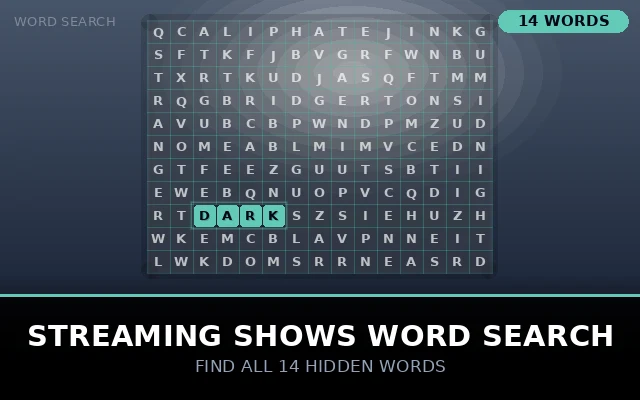
Netflix, HBO and more hit shows hidden in the grid. Play our Streaming Shows wor...
Play NowExplore free word search puzzles made for kids. Easy, age-appropriate themes with simple words to boost vocabulary while having fun.
Seinfeld, Frasier, Cheers and more. Play our Classic Sitcoms word search and find beloved TV comedies hidden in the grid. Free online no sign-up needed.
Play Now
Iron Man, Spider-Man, Thor and more. Play our Marvel Characters word search and test your superhero knowledge. Free online puzzle no registration needed.
Play Now
Netflix, HBO and more hit shows hidden in the grid. Play our Streaming Shows word search and find your binge-worthy favourites. Free online no sign-up.
Play NowWord Search Puzzles for Kids Guides & Articles
Word Search Puzzles for Kids
Introduction
Keeping children engaged while helping them learn can sometimes feel like a challenge, especially in a world full of digital distractions. Word search puzzles for kids offer the perfect solution: a fun, screen-friendly or screen-free activity that combines entertainment with genuine educational value. Designed with simple vocabulary and easy-to-navigate grids, these puzzles are tailored specifically to a child's reading level and attention span, making them accessible even to children who are just beginning to build confidence with reading.
Whether used in the classroom, at home, or during a long car ride, word search puzzles for kids are a wonderful way to build vocabulary, improve spelling, and encourage focus, all while keeping kids entertained. Parents often appreciate how these puzzles offer a quiet, screen-free alternative to tablets and phones, giving children a chance to practice patience and concentration in a low-stakes, enjoyable way.
In this article, we'll take a closer look at why these puzzles are so effective, how parents and teachers can make the most of them, some fun facts about their educational benefits, and answers to the most common questions parents ask about kids' word search puzzles.
About Word Search Puzzles for Kids
Word search puzzles for kids are specially designed versions of the classic puzzle format, featuring simpler word lists, larger grids, and often themed content that appeals to younger audiences. Unlike puzzles designed for adults, which may include complex or obscure vocabulary, kids' puzzles typically focus on everyday words related to animals, colors, shapes, food, school subjects, and other familiar topics that children can easily recognize and relate to without needing outside help.
These puzzles play an important role in early childhood education. They help reinforce spelling and reading skills in a low-pressure, game-like format that doesn't feel like traditional schoolwork. Because children are actively searching for and recognizing words rather than passively reading them, the activity strengthens word recognition and memory retention more effectively than rote memorization alone, giving young learners a sense of ownership over their progress.
Word search puzzles for kids are also incredibly versatile in terms of where and how they can be used. Teachers often incorporate them into lesson plans as a fun way to review vocabulary related to a specific unit, such as animals during a science lesson or countries during a geography lesson. Parents frequently use them as a quiet activity during travel, waiting rooms, or rainy afternoons at home. Many kids also enjoy solving these puzzles independently, which helps build confidence and a sense of accomplishment as they complete each one.
Beyond individual use, kids' word search puzzles in It wordsearch are often incorporated into group settings such as birthday parties, summer camps, and after-school programs. Their low cost and simple setup make them an easy addition to any activity table, requiring nothing more than printed copies and a box of crayons or pencils to keep a group of children entertained for an extended period.
How to Play
Word search puzzles for kids follow the same basic rules as traditional puzzles but are simplified to suit younger solvers. Here's a simple step-by-step guide:
Start by choosing a puzzle with a theme your child finds interesting, such as animals, colors, or favorite cartoon-style topics. Choosing an engaging theme makes the activity more enjoyable and motivating right from the start, increasing the chances your child will want to try another puzzle afterward.
Look at the word list provided next to the puzzle grid. For younger children, these lists usually contain short, simple words that are easy to recognize, often just three to five letters long, which keeps the challenge appropriate for their reading level.
Guide your child to scan the grid row by row, looking for the first letter of each word on the list. Encourage them to look in all directions, including across, up and down, and sometimes diagonally, depending on the puzzle's difficulty level, while reminding them that patience is part of the fun.
Once a word is found, have your child circle it with a crayon, marker, or pencil, and then cross it off the list. This visual and physical process helps reinforce memory and word recognition while giving a satisfying sense of progress.
Continue until all the words have been found. For very young children, it can help to work through the puzzle together, offering encouragement and gentle hints if they get stuck, rather than giving away the answer outright.
Celebrate the completion of the puzzle. Positive reinforcement, such as praise or a small reward, can help build a lasting enthusiasm for reading and word-based activities, turning puzzle time into something your child looks forward to.
- Marvel Characters Word Search
- Video Game Franchises Word Search
- Popular TV Shows Word Search
- Cartoon Characters Word Search
- Video Game Characters Word Search
- Animated TV Series Word Search
Fun Facts About Word Search Puzzles for Kids
Word search puzzles offer more benefits for children than many parents realize. Here are some fun facts worth knowing:
Studies on early literacy suggest that activities involving word recognition, like word searches, can help reinforce spelling patterns in a way that feels more like play than study, making them a favorite tool among early education specialists.
Word search puzzles are often used by speech-language pathologists and occupational therapists to help children develop visual scanning and fine motor skills through the physical act of circling words on paper.
Many educators incorporate themed word search puzzles into holiday and seasonal lessons, using topics like pumpkins in autumn or snowflakes in winter to keep young learners engaged throughout the school year and connected to what they're learning in class.
Because word search puzzles require no special equipment beyond paper and a pencil, they've remained a go-to classroom activity for decades, even as digital learning tools have become more common in modern classrooms.
Completing a word search puzzle gives children a small sense of achievement with every word found, which can help build confidence and a positive relationship with reading and learning overall, especially for children who may struggle with other reading activities.
Conclusion
Word search puzzles for kids are more than just a fun pastime; they're a valuable educational tool that supports vocabulary building, spelling reinforcement, and cognitive development in an enjoyable, accessible format. Whether used at home, in the classroom, or during a quiet afternoon, these puzzles offer children a rewarding way to learn while they play. With countless themes and difficulty levels available, there's a word search puzzle out there to capture the interest of every young solver, making it a resource parents and teachers can return to again and again.
Many children's word search puzzles are designed with extra-large letters and generous spacing specifically to reduce eye strain and make the activity accessible even for children still developing their fine visual tracking skills.
Word search puzzles are frequently used as calming, low-stress activities in classrooms during transition periods, helping children settle down and refocus their attention before moving on to the next lesson.