Daily Bible Word Search
Click and drag to select words
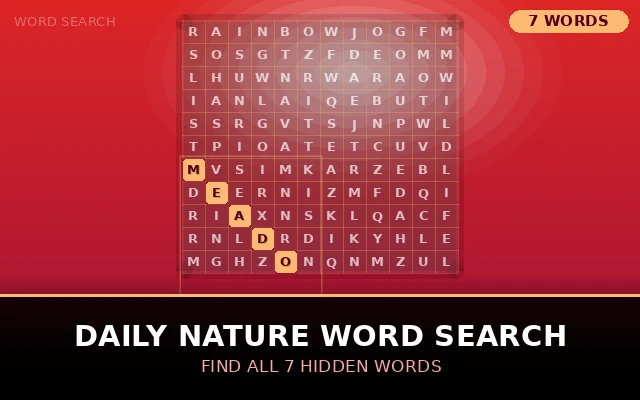
Play our free Daily Nature Word Search puzzle. Find mountain, waterfall, forest,...
Play Now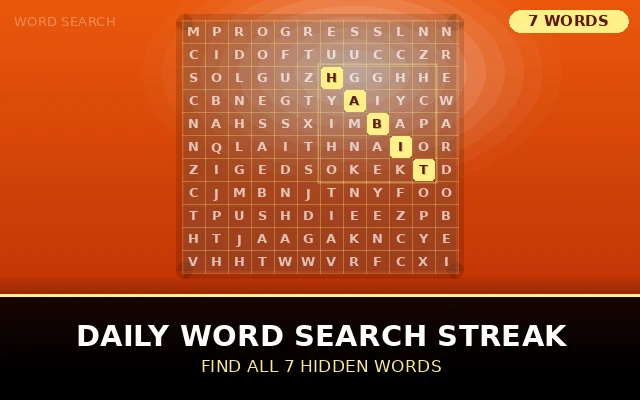
Build your Daily Word Search Streak for free. Solve one puzzle daily, track your...
Play Now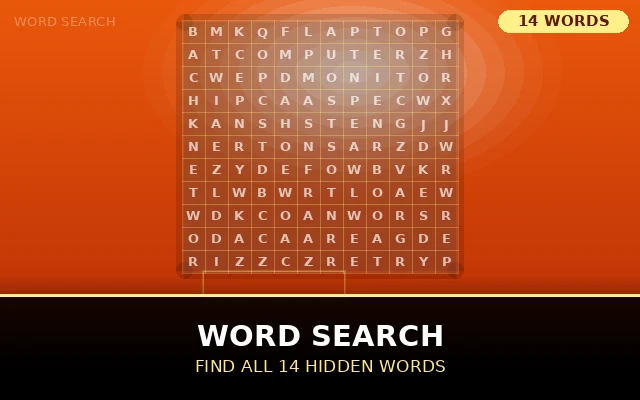
Challenge your brain with our classic Word Search puzzle. Find hidden words in t...
Play NowEnjoy our free Daily Bible Word Search puzzle. Find faith, prayer, blessing, and more scripture words. New Bible themes added daily.
Play our free Daily Nature Word Search puzzle. Find mountain, waterfall, forest, and more outdoor words. New nature themes daily.
Play Now
Build your Daily Word Search Streak for free. Solve one puzzle daily, track your progress, and reach new milestones.
Play Now
Challenge your brain with our classic Word Search puzzle. Find hidden words in the grid and sharpen your focus. Free to play online no sign-up needed.
Play NowDaily Bible Word Search Guides & Articles
Daily Bible Word Search: Strengthening Faith Through Puzzles
For many people, faith is not just a Sunday practice but a daily commitment woven into everyday life. A daily Bible word search offers a gentle way to keep scripture and spiritual themes present in your mind throughout the week, blending the calming focus of puzzle solving with the reflective nature of biblical study. This unique format has grown in popularity among churchgoers, Sunday school teachers, and anyone looking for a quiet moment of reflection paired with a bit of mental exercise.
Rather than sitting down for a lengthy Bible study session, players can engage with a daily Bible word search in just a few minutes, searching for words like faith, prayer, and salvation hidden within a grid of letters. This small daily ritual can serve as a meaningful touchpoint in an otherwise busy day.
Why Combine Scripture With Puzzles
At first glance, faith and word search puzzles might seem like an unusual pairing. However, the combination works well because both activities reward quiet focus and patience. Searching for a hidden word requires the same kind of calm attentiveness that many associate with prayer or meditation. When that word happens to be something like blessing or covenant, the act of finding it becomes a small moment of reflection rather than just a mechanical task.
This format has found a natural home in church bulletins, Sunday school handouts, and Christian lifestyle websites, where it serves as both an educational tool and a source of quiet enjoyment for readers of all ages.
Common Themes Found in Bible Word Search
A daily Bible word search typically draws its vocabulary from central themes found throughout scripture. Words such as faith, prayer, and blessing appear frequently, representing core concepts of Christian belief and practice. Other puzzles might focus on specific books of the Bible, notable figures like Moses or David, or particular parables and teachings.
Some versions of these puzzles are built around specific verses, hiding key words from a passage and encouraging players to look up the full verse afterward. This approach transforms the puzzle into a springboard for deeper scripture study rather than a standalone activity.
- Daily Word Search
-
Word Search
-
Daily Travel Word Search
-
Daily Word Search Streak
-
Daily Word Search Leaderboard
-
Word Search Daily Challenge
-
Daily Nature Word Search
Who Benefits Most From This Puzzle Style
Sunday school teachers often turn to Bible word search as a way to reinforce lesson vocabulary in a format that children find enjoyable rather than academic. Parents looking for faith-based activities to share with their kids appreciate how these puzzles introduce religious vocabulary without feeling like a lecture. Adults, particularly those who enjoy a quiet devotional moment paired with a mental challenge, often use a daily Bible word search as part of their morning or evening routine.
Retirement communities and senior living centers have also embraced this puzzle format, since it combines cognitive engagement with a comforting, familiar subject matter for many older adults who grew up with strong religious traditions.
The Cognitive and Spiritual Benefits Combined
Daily word search puzzles are widely recognized for supporting cognitive function, including pattern recognition, vocabulary retention, and sustained attention. When paired with spiritually meaningful vocabulary, a daily Bible word search offers a dual benefit: mental exercise alongside a moment of reflection on faith-based themes.
Many solvers report that searching for a word like grace or mercy prompts a brief mental pause to consider the meaning behind that word, turning a simple puzzle into an unexpected moment of quiet contemplation. This blending of mental activity and spiritual reflection is part of what makes this puzzle format so uniquely appealing.
How Churches and Educators Use These Puzzles
Beyond personal use, many churches incorporate a daily Bible word search into their weekly bulletins or newsletters as a way to engage congregation members outside of Sunday services. Sunday school teachers frequently print these puzzles as classroom activities, pairing them with lessons on specific Bible stories or themes.
Christian schools sometimes use themed word searches as part of religious education curriculum, helping students become familiar with important vocabulary while reinforcing lesson content in a way that feels less like traditional testing and more like an engaging classroom activity.
Tips for Getting the Most From Your Daily Puzzle
To deepen the experience, consider looking up the meaning or biblical reference for each word you find in a daily Bible word search. If the puzzle includes a theme, such as the story of Noah or the teachings of Jesus, take a moment afterward to read the related passage in full. This turns a quick puzzle into an opportunity for genuine scripture engagement.
Some solvers keep a small journal alongside their daily puzzle routine, jotting down a brief reflection on one word or theme from each day's grid. Over time, this practice can build a meaningful record of spiritual growth alongside the simple enjoyment of solving.
The History Behind Faith-Based Word Puzzles
Faith-based puzzles are not a new invention. Long before digital platforms existed, church bulletins and Christian magazines regularly included word searches, crosswords, and other brain teasers as a way to engage readers between sermons or articles. These printed puzzles served as a gentle way to reinforce biblical vocabulary and encourage reflection, especially for younger readers or those newer to regular scripture study. As technology advanced, this tradition naturally moved online, giving rise to the daily Bible word search format we see today, where a fresh puzzle is available every single day rather than appearing only in a monthly newsletter or weekly bulletin.
How Different Denominations Use These Puzzles
While the core concept of a daily Bible word search remains consistent, the specific vocabulary and themes featured can vary depending on the audience. Some puzzles draw broadly from shared Christian themes like faith, prayer, and grace, appealing to a wide denominational audience. Others are tailored more specifically, perhaps focusing on particular liturgical seasons such as Advent or Lent, or featuring vocabulary tied to specific traditions and practices. This flexibility allows churches and educators across different denominations to adapt the format to their own congregation's needs, whether that means emphasizing certain theological themes or aligning puzzles with the liturgical calendar.
Bible Word Search as a Family Activity
Many families incorporate a daily Bible word search into their household routine as a way to share faith-based activities across generations. Parents often use these puzzles as a gentle icebreaker before family devotion time, giving children something engaging to do while also introducing them to important vocabulary tied to scripture. Grandparents and older family members sometimes enjoy working through the puzzle alongside younger relatives, creating an opportunity for intergenerational bonding centered around a shared activity that feels meaningful rather than purely recreational. This family-oriented use of the puzzle format has helped it remain popular even as more purely secular puzzle formats have emerged in the broader market.
The Difference Between Bible Word Search and Bible Trivia
It is worth distinguishing a daily Bible word search from other faith-based activities like Bible trivia or quiz games. While trivia formats test direct recall of specific facts, dates, or verse references, a word search operates differently, reinforcing vocabulary recognition through a visual and tactile search process rather than direct memorization. This makes the word search format more approachable for casual participants who may not have detailed scripture knowledge but still want to engage with faith-based content in a meaningful way. The lower barrier to entry, combined with the calming nature of the search process itself, helps explain why this format continues to appeal to such a broad range of participants, from lifelong Bible scholars to casual churchgoers.
Seasonal and Thematic Variations
Many platforms offering a daily Bible word search rotate their themes according to the church calendar or notable religious observances. During Christmas season, puzzles might focus on the nativity story, featuring words like shepherd, manger, and angel. During Easter, the vocabulary often shifts toward themes of resurrection, sacrifice, and redemption. This seasonal rotation keeps the puzzle format feeling relevant and timely throughout the year, allowing solvers to engage with scripture in a way that mirrors the broader rhythms of the Christian calendar rather than offering a static, unchanging vocabulary set every single day.
Accessibility for Solvers With Different Reading Levels
One overlooked benefit of the daily Bible word search format is its accessibility across a wide range of reading levels and ages. Unlike scripture memorization or in-depth theological study, a word search requires only basic word recognition skills, making it approachable for young children just learning to read as well as older adults who may find dense text more difficult to process. Puzzle creators can easily adjust grid size, word length, and difficulty to suit different age groups, ensuring that the format remains inclusive rather than limited to a narrow audience of advanced readers or lifelong scripture students. This flexibility has made the format a favorite among special education teachers and volunteers working with mixed-age Sunday school classes, since a single themed word list can be adapted into multiple difficulty tiers without losing its spiritual focus or core vocabulary.
Conclusion
A daily Bible word search offers a simple yet meaningful way to keep faith present in everyday life. By blending the mental benefits of puzzle solving with scripture-based vocabulary, this activity provides a moment of calm reflection that fits easily into a busy schedule. Whether used in classrooms, church settings, or personal devotion time, this puzzle format continues to grow in popularity as a gentle bridge between faith and daily mental engagement.