European Countries Word Search: A Journey Across the Continent, One Hidden Word at a Time

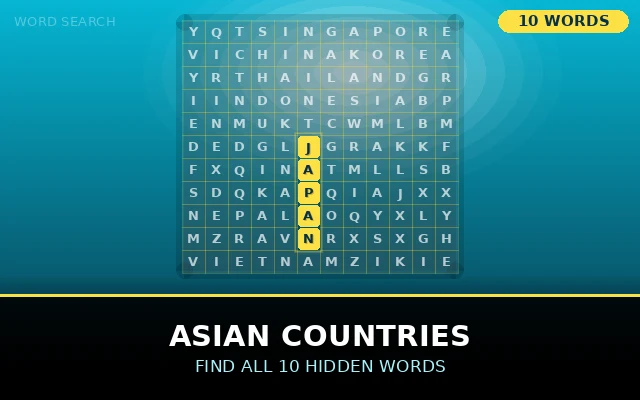
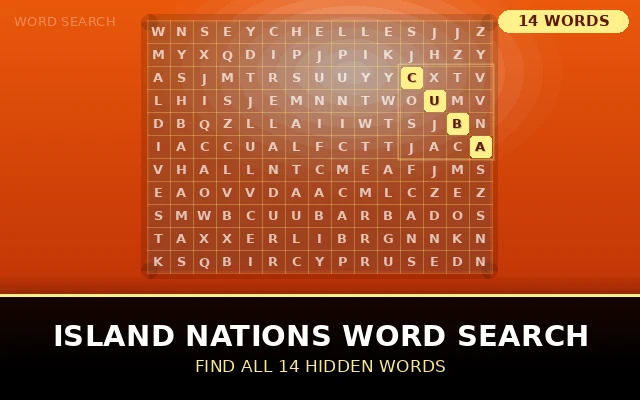
Europe is a continent defined by remarkable diversity packed into a relatively small landmass, home to dozens of nations, hundreds of languages, and a history that has shaped much of the modern world. A European countries word search takes this rich geography and turns it into an engaging puzzle experience, blending casual entertainment with genuine educational value. Whether used by students preparing for a geography exam, teachers building a classroom activity, or puzzle enthusiasts simply looking for a satisfying challenge, this puzzle theme offers a rewarding way to explore the continent one hidden name at a time. This article walks through why Europe makes such a compelling word search subject, the regions and countries most commonly featured, and how solving this puzzle can quietly strengthen geographic knowledge.

Why Europe Makes Such a Rich Word Search Subject

Few continents offer as much geographic and cultural variety within such a compact area as Europe does. From the fjords of Scandinavia to the sun-drenched coastlines of the Mediterranean, the sheer range of landscapes, languages, and histories gives puzzle creators an enormous pool of country names to draw from. Unlike some puzzle themes that rely on obscure or rarely used vocabulary, most European country names are already familiar to solvers through news, travel, sports, and popular culture, making this theme approachable even for beginners while still offering enough depth to challenge more advanced puzzle fans.

Western Europe: Familiar Names With Deep Roots

Western Europe is often the starting point for many solvers It wordsearch, home to some of the most recognizable countries in the world.

France – Known for its rich cultural influence in art, fashion, and cuisine, France is also home to Western Europe's most visited country for international tourism.

Germany – The largest economy in Europe, Germany has played a central role in the continent's industrial and political history.

Netherlands – Famous for its extensive network of canals and low-lying land, much of the Netherlands sits below sea level and relies on an advanced system of dikes.

Belgium – A small but influential country, Belgium serves as the headquarters for several major European Union institutions.

Northern Europe: Land of Fjords and Long Winters

Northern Europe, often associated with Scandinavia, brings a distinct set of country names shaped by cold climates and coastal geography.

Norway – Known for its dramatic fjords carved by ancient glaciers, Norway consistently ranks among the countries with the highest quality of life in the world.

Sweden – Recognized for its strong social welfare system, Sweden is also known for extensive forests covering more than half of the country's land area.

Finland – Home to thousands of lakes, Finland is famously one of the most heavily forested countries in Europe.

Denmark – A country made up of a peninsula and hundreds of islands, Denmark is often cited as one of the happiest nations in the world.

Southern Europe: Sun, History, and the Mediterranean

Southern Europe brings warmth, both in climate and cultural influence, to any word search grid.

Italy – Home to ancient Roman history and Renaissance art, Italy remains one of the most culturally influential countries in the world.

Spain – Known for its diverse regional cultures, Spain features distinct languages and traditions across regions like Catalonia and the Basque Country.

Greece – Often called the birthplace of Western civilization, Greece contributed foundational ideas in philosophy, democracy, and the arts.

Portugal – With a long history of maritime exploration, Portugal's sailors were among the first Europeans to chart routes to Africa and Asia.

Eastern Europe: A Region of Resilience and Change

Eastern European countries bring a unique set of names shaped by a complex and often turbulent history.

Poland – A country with a long and resilient history, Poland has rebuilt itself repeatedly after periods of war and political upheaval.

Ukraine – The largest country entirely within Europe, Ukraine is known for its vast agricultural land, often referred to as the breadbasket of Europe.

Romania – Home to the Carpathian Mountains and the legendary region of Transylvania, Romania blends natural beauty with centuries-old folklore.

Hungary – Known for its thermal baths and the historic capital of Budapest, Hungary sits at a cultural crossroads between Western and Eastern Europe.

Vocabulary Commonly Found in a European Countries Word Search

Beyond individual country names, this puzzle theme frequently includes geography and culture-related vocabulary. Common entries include Continent, Border, Capital, Currency, Language, Peninsula, Alps, Mediterranean, Union, and Kingdom. These terms help connect the featured countries to broader geographic and political concepts, giving solvers a fuller understanding of how Europe is structured beyond just a list of names.

The Educational Value Behind the Puzzle

While a European countries word search is enjoyable on its own, it also carries meaningful learning benefits. Repeatedly scanning for country names helps reinforce spelling and geographic recognition in a way that passive reading rarely achieves. For students, this puzzle format can serve as an effective study companion for geography classes, helping cement country names and their general locations before exams. The inclusion of related vocabulary, such as "Peninsula" or "Union," also introduces broader geographic and political concepts that extend learning beyond simple memorization.

Strategies for Solving This Puzzle Efficiently

Because European country names vary widely in length, from short entries like "Italy" to longer ones like "Netherlands," it helps to scan first for shorter names, which tend to be quicker to locate within a busy grid. Many country names also share common endings, such as "-land" or "-ia," so watching for these patterns can help solvers spot several words in a similar area of the grid. Working through the puzzle systematically, row by row, rather than jumping between sections, also helps ensure that less familiar country names are not accidentally skipped over.

Why This Theme Appeals to Such a Wide Audience

Europe holds a unique place in global culture, frequently appearing in news, travel content, sports events, and history lessons, which means most solvers already have some familiarity with the countries featured in this puzzle theme. This built-in recognition makes the puzzle accessible to casual solvers while still offering enough geographic depth to satisfy more serious puzzle enthusiasts or students engaged in focused study. Whether someone is planning a future trip across the continent or simply enjoys testing their geography knowledge, this theme consistently delivers an engaging and informative challenge.

Conclusion

A European countries word search offers far more than a simple hunt for hidden letters, it provides a structured, enjoyable way to explore one of the world's most historically and culturally significant continents. From the fjords of Norway to the sun-soaked coastlines of Greece, each hidden country name carries its own story, shaped by centuries of history, culture, and geography. Beyond the satisfaction of completing the grid, this puzzle theme quietly reinforces spelling, geographic awareness, and cultural knowledge, making it a valuable tool for students and a rewarding pastime for casual solvers alike. Whether used as a classroom resource, a personal study aid, or simply a relaxing way to pass the time, a European countries word search proves that learning geography can be every bit as enjoyable as it is educational.