The Complete Guide to IT Word Searches Puzzles, Solvers, and Everything in Between
In the digital age, educational tools have evolved dramatically, yet some classics remain timeless. Among these, the IT wordsearch continues to captivate learners, educators, and puzzle enthusiasts worldwide. These brain-teasing grids filled with technology-related terms serve multiple purposes: they reinforce vocabulary, improve pattern recognition, and provide engaging entertainment that combines learning with fun.
Word search puzzles have transcended their paper origins, now flourishing in digital formats that offer unprecedented convenience and functionality. Whether someone seeks an IT word search answer key to verify their solutions or wants to explore advanced solving techniques, the modern landscape of word search puzzles offers something for everyone. This comprehensive guide explores the fascinating world of IT-themed word searches, from traditional puzzles to cutting-edge solver technology.
The Evolution of Technology-Themed Word Searches
Traditional Puzzle Formats
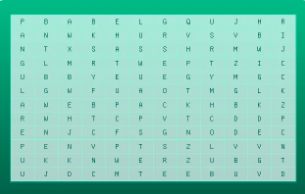
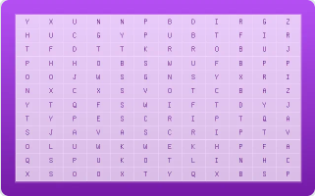
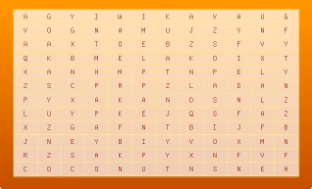
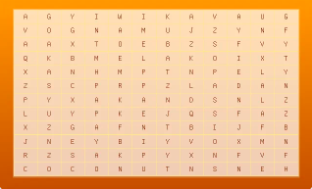
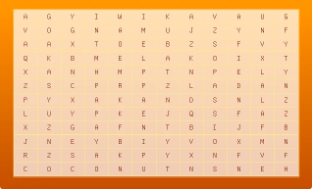
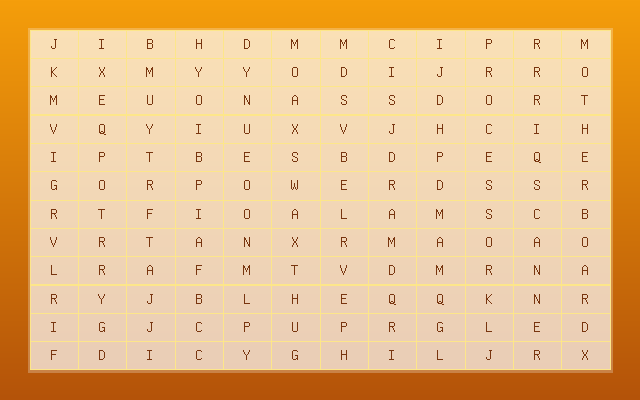
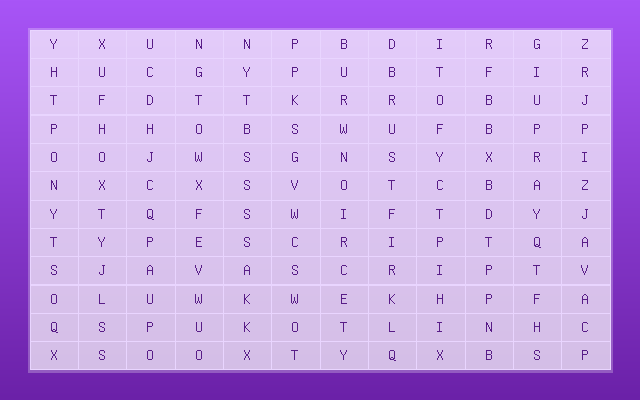
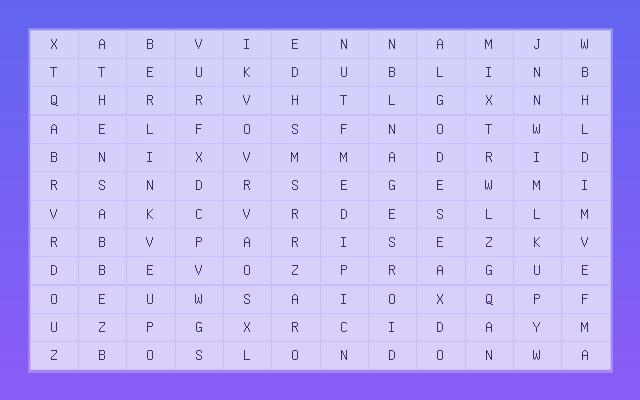
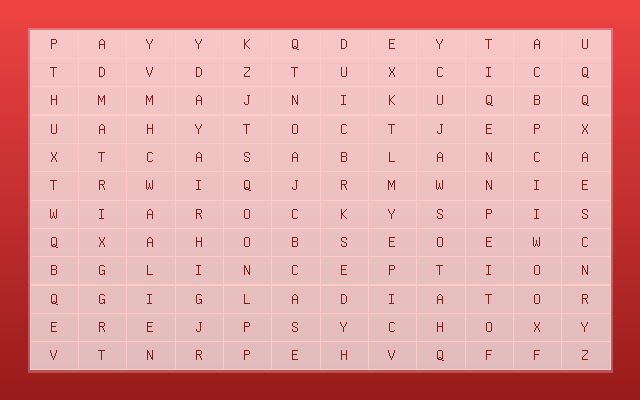
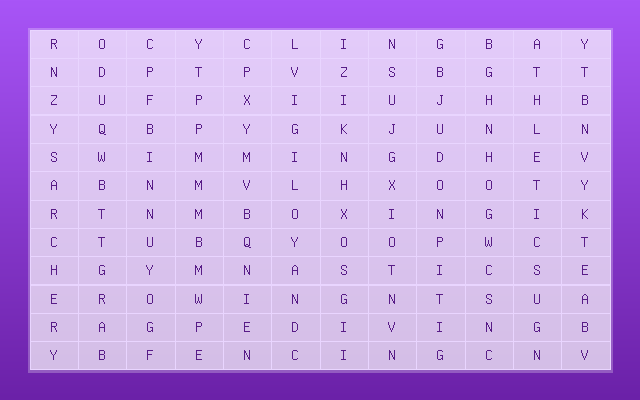
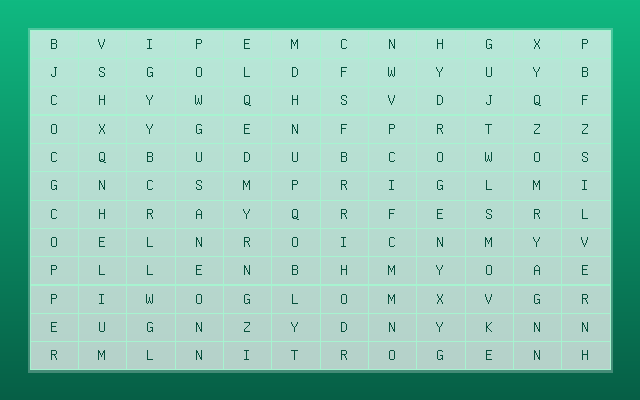
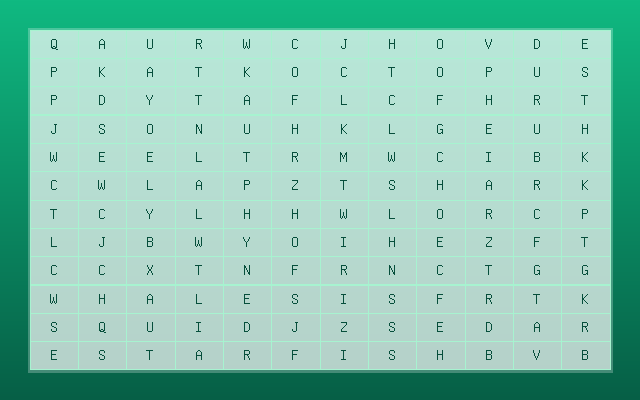
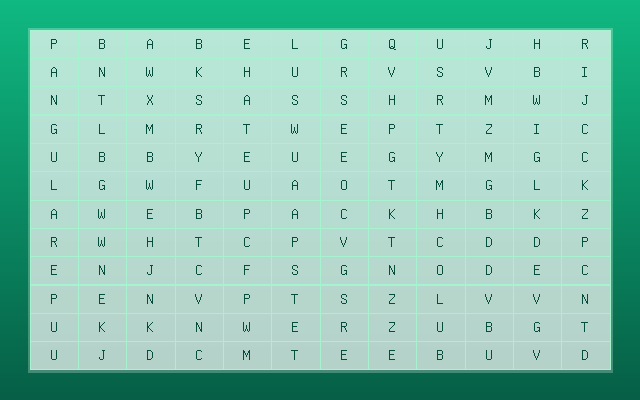
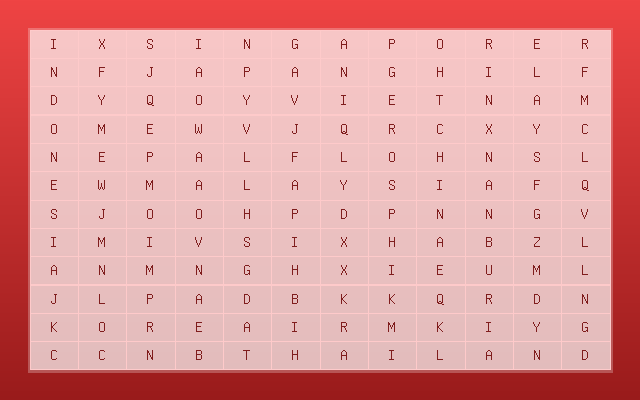
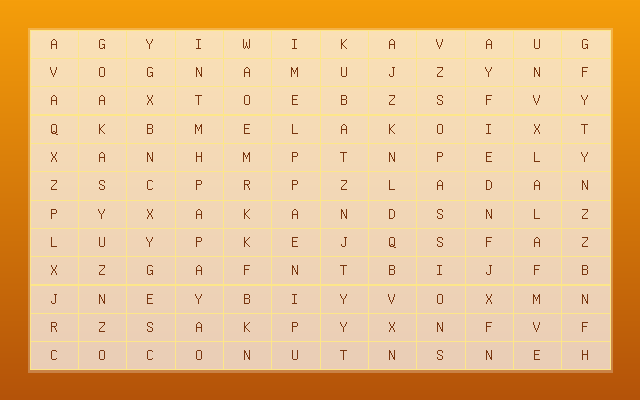
The classic computer word search puzzle has been a staple in classrooms and training centers for decades. These puzzles typically feature grids filled with letters, where technology terms hide horizontally, vertically, diagonally, and sometimes even backwards. Students and professionals alike benefit from these exercises, which help cement technical terminology in memory through active engagement.
Educational institutions often provide materials like the printable computer word search to students, offering a tactile learning experience that complements digital education. These physical puzzles remain popular because they require no batteries, internet connection, or screen time making them perfect for diverse learning environments.
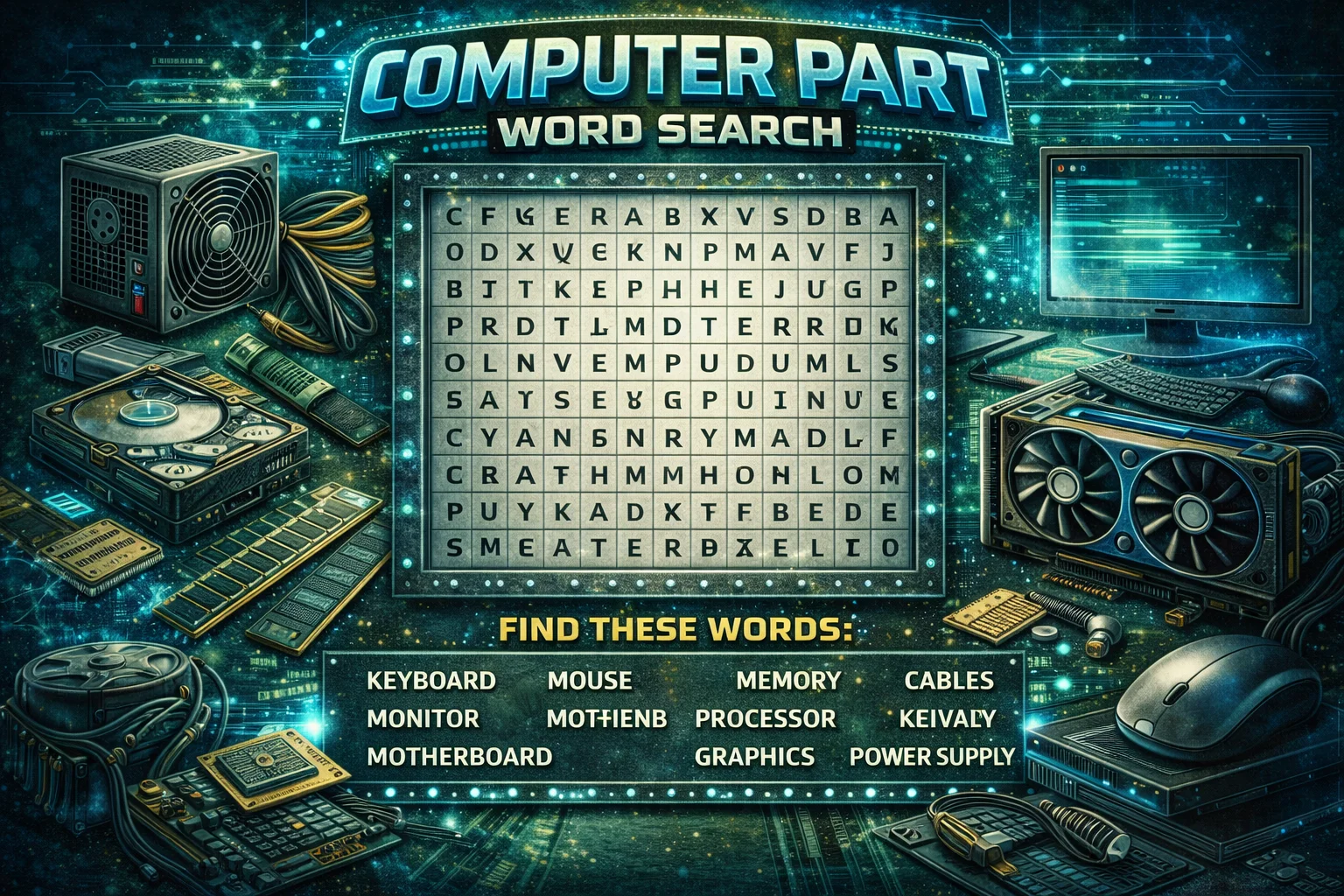
When tackling specialized topics, puzzles like the computer parts word search focus on hardware components such as processors, motherboards, RAM, and graphics cards. This targeted approach helps learners categorize and remember specific technical elements. Similarly, the computer vocabulary word search casts a wider net, incorporating terms from software, networking, programming, and general IT concepts.
For verification purposes, educators rely on resources like the computer terms word search answer key, which ensures accurate grading and helps students self-check their work. These answer keys transform puzzles from mere entertainment into valuable assessment tools that measure vocabulary retention and comprehension.

Digital Revolution: Modern Word Search Applications
Mobile and Web-Based Solutions
The smartphone era has brought word searches into everyone's pocket. Applications like the "it flies it soars word search app" demonstrate how developers have reimagined classic puzzles for touchscreen interfaces. These apps often include features like hints, timers, difficulty levels, and achievement systems that gamify the learning experience.
Thematic variations have exploded in popularity. The "it can fly word search pro" might challenge users to find birds, aircraft, and flying insects, teaching categorization skills alongside vocabulary. Its companion puzzle, "it can fly word search," offers similar content in a more accessible format. Meanwhile, aquatic enthusiasts might prefer "it can swim word search," which focuses on marine and freshwater creatures.
Premium versions like "i like it word search pro" provide enhanced features such as unlimited puzzles, ad-free experiences, and customization options. Users who declare "word search i like it" or "i like it word search" when discussing their preferences often gravitate toward these sophisticated applications that offer both entertainment and educational value.
Cultural throwback puzzles like the "groovy 70s can you dig it word search" add nostalgic charm to the mix, combining retro vocabulary with classic puzzle mechanics. Mystery-themed options such as "who done it word search" incorporate detective stories and crime-solving terminology, appealing to fans of whodunit narratives.
The Technology Behind Automated Puzzle Solving
Basic Solver Functionality
For those struggling with particularly challenging grids, the word search solver has emerged as an indispensable tool. These digital assistants analyze puzzle grids and identify hidden words with remarkable efficiency. The technology behind these solvers ranges from simple pattern-matching algorithms to sophisticated artificial intelligence systems.
A comprehensive word search puzzle solver typically requires users to input the puzzle grid and word list, then processes this information to locate each term. This functionality proves invaluable for educators creating answer keys, puzzle designers verifying their work, and learners who want to understand how words can hide within letter grids.
The word search generator represents the creative counterpart to solvers. These tools allow users to input custom word lists and parameters, then automatically create puzzles of specified sizes and difficulty levels. Teachers use these generators to create personalized learning materials that align with their curriculum, while parents design puzzles featuring their children's vocabulary words or spelling lists.
Accessibility and Free Resources
Democratization of puzzle-solving technology has made these tools universally accessible. The word search solver free option ensures that anyone with internet access can receive assistance, regardless of their economic situation. Similarly, the word search solver online eliminates the need for software downloads or installations, providing instant access through web browsers.
These online platforms serve diverse users: students checking homework, teachers preparing materials, and enthusiasts tackling newspaper puzzles. The convenience of cloud-based tools means puzzles can be solved anywhere, anytime, using any device with internet connectivity.
Advanced AI and Image Recognition Technology
The cutting edge of puzzle-solving technology incorporates artificial intelligence and computer vision. The word search solver from image capability represents a quantum leap in convenience users simply photograph or upload an image of their puzzle, and the system automatically recognizes the grid, identifies letters, and locates words.
Powered by machine learning algorithms, the word search solver AI can handle various fonts, handwriting styles, and image qualities. This technology has improved dramatically in recent years, achieving accuracy rates that rival human solvers. The word search scanner functionality captures puzzle images using smartphone cameras, making the solving process as simple as taking a photo.
Integration with popular platforms enhances accessibility. The word search solver from image Google functionality leverages Google's powerful image recognition infrastructure, while the word search scanner and solver combines capture and solution in one seamless workflow.
Mobile-first solutions include the word search solver camera online, which operates entirely through web browsers without requiring app installations. The word search solver AI free designation indicates that even advanced AI-powered solving remains accessible to all users, not just premium subscribers.
Various specialized tools serve different needs. The word search solver from image online works across platforms and devices, while the word search solver from image PDF specifically handles puzzle documents in PDF format. The word search solver from image free ensures no paywalls block access to basic functionality, and the word search solver camera online free extends this philosophy to camera-based solving.
For users seeking specific Google integration, the search term "word search solver from image Google free" yields numerous options that combine Google's technology with free access. The word search solver scanner technology continues improving, with newer versions recognizing even poorly lit or angled photographs.
Comprehensive platforms described as a word search solver website offer multiple solving methods, supporting manual input, image uploads, and direct camera capture. The word search solver online free model has become the industry standard, with most platforms offering basic services at no cost while reserving premium features for subscribers.
Unexpected Tools and Applications
Interestingly, Google Lens has become an unofficial word search solver. Though designed for general object recognition and text extraction, this versatile tool can identify letters in puzzle grids and even recognize patterns. Users have discovered that pointing Google Lens at a word search often highlights words automatically, demonstrating how multipurpose AI tools can serve specialized needs.
Educational Applications and Resources
Classroom and Training Materials
Educational technology word searches serve multiple pedagogical purposes. The information technology word search answers provide teachers with quick reference materials for assessment and discussion. Digital distribution formats like the technology word search PDF enable easy sharing via email or learning management systems, ensuring every student receives identical materials.
Interdisciplinary approaches combine multiple subject areas. The science and technology word search puzzle helps students see connections between scientific principles and technological applications. This integrated learning strengthens understanding of how theoretical knowledge translates into practical innovations.
Software-focused materials like the computer applications word search introduce students to programs, tools, and platforms they'll encounter in academic and professional settings. These puzzles might include terms like spreadsheets, databases, word processors, presentation software, and specialized applications relevant to specific industries.
Verification resources are essential for both teachers and independent learners. The computer terms word search answers and computer terms word search answer key PDF provide accurate solutions that facilitate grading and self-assessment. These answer keys often include not just word locations but also definitions, helping students learn even when checking their work.
Standardized Learning Materials
Widely distributed resources like the computer word search PDF and technology word search PDF have become staples in IT education. These downloadable documents offer ready-made learning materials that teachers can print and distribute immediately, saving preparation time while maintaining educational quality.
The enduring popularity of the computer word search printable format demonstrates that physical puzzles retain value despite digital alternatives. Printed puzzles eliminate screen fatigue, work without electricity, and provide a kinesthetic learning experience that some students prefer.
Some puzzles become so widely used they're referenced by number. Computer word search 129, for instance, might refer to a specific puzzle in a textbook series or online database. Having the computer word search answers for such standardized materials ensures consistency across different classrooms and learning environments.
Specialized answer keys like the technology terms word search answers help educators address specific vocabulary sets related to emerging technologies, ensuring students master contemporary terminology alongside foundational concepts.
Diverse Puzzle Themes and Variations
Literary and Pop Culture References
Word searches extend far beyond technology topics. The phrase "it word search answer key" might relate to Stephen King's horror novel "It," where puzzles could feature character names, plot elements, and thematic terms. This demonstrates how word searches adapt to any subject matter, making them versatile educational and entertainment tools.
Preference and Opinion-Based Puzzles
Personal preference puzzles offer unique engagement. Collections labeled "i like it word search" might allow users to select topics that interest them, creating customized puzzle experiences. These personalized approaches increase motivation by aligning puzzles with individual interests and passions.
Animal and Nature Categories
Categorization puzzles teach classification skills through thematic grouping. The "it can fly word search pro" challenges solvers to identify flying creatures and objects, from eagles and butterflies to helicopters and hot air balloons. This cognitive exercise reinforces understanding of shared characteristics and category membership.
Similarly, aquatic-themed puzzles like "it can swim word search" might include fish, marine mammals, amphibians, and even submarines, teaching students to think broadly about category definitions and exceptions.
Cultural and Historical Themes
Nostalgia-driven puzzles like the "groovy 70s can you dig it word search" transport solvers to specific time periods through era-appropriate vocabulary, slang, and cultural references. These puzzles serve double duty as entertainment and historical education, introducing younger generations to past decades while providing older solvers with pleasant reminiscence.
Mystery and detective themes capture imaginations through puzzles like "who done it word search," which might feature investigative terminology, famous fictional detectives, crime-solving techniques, and mystery novel vocabulary. These thematic puzzles engage narrative thinking alongside pattern recognition.
Daily Life and Routines
Practical life skills get reinforced through puzzles like the morning routine word search, which might include terms like breakfast, shower, brushing teeth, getting dressed, and packing lunch. These puzzles help young children learn healthy habits and sequential thinking. The morning routine word search pro likely offers more sophisticated vocabulary and complex grids for older learners.
Color and Visual Themes
Artistic and perceptual puzzles such as the "nine shades of blue word search" challenge color vocabulary knowledge, potentially including terms like navy, azure, cerulean, cobalt, indigo, sapphire, turquoise, teal, and cyan. These puzzles strengthen descriptive language skills and color differentiation abilities.
Pattern recognition puzzles like "with spots word search pro" might focus on spotted animals (leopards, dalmatians, ladybugs), spotted patterns in nature, or even spotted objects in everyday life. Such thematic constraints encourage creative thinking about category boundaries.
Arts and Aesthetics
The "describing art word search pro" likely includes artistic terminology, techniques, movements, and descriptive vocabulary used in art criticism and appreciation. Terms might range from impressionism and chiaroscuro to texture, composition, and perspective, supporting art education and vocabulary development.
Music and Entertainment
Genre-focused puzzles like the "type of music word search pro" expose solvers to musical diversity, potentially including jazz, classical, rock, hip-hop, country, electronic, folk, reggae, and countless other styles. These puzzles broaden cultural awareness while teaching classification and categorization.
Relationship-themed content like the "together always word search pro" might explore vocabulary related to partnerships, teamwork, friendship, and unity. Such puzzles can support social-emotional learning objectives in educational settings.
Professional and Recreational Topics
Career exploration puzzles such as "common jobs word search" and "common jobs word search pro" introduce various professions, from traditional roles like teacher, doctor, and engineer to modern careers in technology, sustainability, and creative industries. These puzzles support career awareness and planning activities.
Seasonal variations like the summer jobs word search highlight temporary and seasonal employment opportunities, helping students understand diverse pathways to work experience and income generation during school breaks.
Entertainment-focused puzzles span multiple domains. The "video games word search pro" appeals to gaming enthusiasts with terminology from console gaming, PC gaming, mobile games, and esports. Meanwhile, the "family board games word search pro" celebrates tabletop gaming culture with titles like Monopoly, Scrabble, Chess, and modern favorites.
For those considering offline entertainment, concepts like single player board games and fun board games for two suggest puzzle collections that explore solo gaming options and two-player experiences, expanding awareness of tabletop gaming possibilities beyond large-group activities.
Travel and Transportation
Location-based puzzles like "at the train station word search pro" teach vocabulary related to transportation hubs, ticketing, schedules, platforms, and travel essentials. These thematic puzzles serve practical purposes for language learners and travelers alike.
Sports Vocabulary
Athletic terminology puzzles such as the hockey word search introduce sport-specific language, including positions, rules, equipment, and famous players. Sports-themed puzzles engage students who might otherwise show limited interest in traditional educational activities.
Linguistic Learning and Grammar Concepts
Morphological Awareness
Some advanced puzzles incorporate grammatical concepts. The "t instead of ed word search pro" teaches irregular past tense formation, challenging solvers to identify verbs where the past tense is formed by changing internal vowels and adding 't' rather than the regular '-ed' ending. Words like slept, kept, swept, and wept exemplify this pattern, and discovering them in puzzles reinforces morphological awareness.
Terminology Debates and Conventions
Spelling Variations
Language enthusiasts sometimes debate: is it "word search" or "wordsearch"? While both forms appear in common usage, "word search" as two separate words remains more standard in formal writing and publishing. However, "wordsearch" as a compound word appears frequently in British English and casual contexts. This minor spelling variation illustrates how language evolves through usage rather than strict prescription.
Making Informed Choices
Personal Preferences in Puzzle Selection
Individual preferences significantly impact puzzle enjoyment. Some users emphatically state "word search i like it" when describing favorite puzzle styles, while others search specifically for "i like it word search" collections that match their interests and skill levels.
The designation "it word search" serves multiple purposes it might be a general search term, refer specifically to information technology puzzles, or even connect to Stephen King's novel. Context determines meaning, demonstrating the flexibility of puzzle terminology.
Gaming Connections
Board Games and Puzzles
The connection between traditional gaming and word searches is evident in searches for single player board games and fun board games for two. Families looking for entertainment options might explore family board games word search pro to find both puzzle and game recommendations.
Station-Themed Puzzles
Location-based themes have gained popularity, such as "at the train station word search pro," which combines travel vocabulary with puzzle-solving entertainment.
Educational Applications
Technology terms word search answers and computer terms word search answer key PDF materials help educators assess student learning. These resources ensure that learners can verify their work and understand the correct placement of technical vocabulary within puzzles.
Creating Your Own Puzzles
A word search generator allows anyone to create custom puzzles. These tools let users input their own word lists, making it possible to create personalized puzzles for specific learning objectives or entertainment purposes.
How IT Word Searches Are Reshaping Learning in the Digital Age
Technology is transforming every corner of education, and IT word searches are no exception. Once confined to printed worksheets handed out in classrooms, these puzzles have undergone a quiet revolution. Today they live on smartphones, integrate with AI tools, and serve learners from primary school all the way to corporate training rooms. Understanding why this shift happened and what it means for learners reveals something important about how humans absorb and retain technical knowledge.
Why Vocabulary Is the Foundation of IT Competence
Before anyone can configure a network, write a line of code, or troubleshoot a server, they need words. Technical vocabulary forms the scaffolding on which real understanding is built. A learner who does not know the difference between "bandwidth" and "latency," or between "RAM" and "ROM," will struggle even to follow an introductory tutorial. IT word searches attack this challenge at the vocabulary level, embedding terms in memory before formal instruction begins.
Cognitive science supports this approach. Research in spaced repetition and retrieval practice consistently shows that learners who actively search for information rather than passively reading it remember it significantly longer. When a student hunts through a grid for the word "firewall," they engage visual scanning, letter recognition, and semantic memory simultaneously. That combination creates stronger neural pathways than simply reading a glossary definition.
The Anatomy of a Well-Designed IT Word Search
Not all IT word searches are created equal. A well-designed puzzle does more than hide words in a grid. It curates a vocabulary set that tells a coherent story. For example, a puzzle focused on cybersecurity might include terms like "phishing," "malware," "encryption," "vulnerability," "patch," and "two-factor authentication." Encountering all these words together even in puzzle form primes the learner's brain to recognize them as part of a connected domain.
Grid size matters too. A 10x10 grid suits beginners tackling five to eight common terms. A 20x20 grid with thirty or more words challenges advanced learners or IT professionals refreshing their knowledge. The direction of hidden words adds another layer of difficulty: horizontal and vertical placements are easiest, while diagonal and backward placements demand sharper focus and more time.
Answer keys transform a puzzle from a standalone activity into a full learning cycle. When a student finishes a cybersecurity word search, reviewing the answer key reinforces correct spelling and introduces any terms they missed. Teachers who pair puzzles with brief discussion sessions report higher retention rates, because students connect the isolated words to real-world concepts they just encountered.
Key IT Topic Areas Covered by Modern Word Searches
The breadth of IT-themed word searches mirrors the breadth of the technology industry itself. Below are some of the most commonly used topic areas and the vocabulary they help learners internalize.
Networking and Infrastructure
Networking puzzles introduce terms that underpin modern connectivity. Students encounter words like "router," "switch," "DNS," "IP address," "subnet," "VPN," "gateway," and "firewall." For anyone pursuing a CompTIA Network+ certification or a basic IT support role, fluency with this vocabulary is non-negotiable. Word searches make first contact with these terms low-stakes and even enjoyable.
Hardware and Components
Hardware-focused puzzles cover physical components: CPU, GPU, SSD, HDD, motherboard, power supply, heat sink, NIC (Network Interface Card), and optical drive. These puzzles are especially effective for students preparing for A+ certification exams, where identifying hardware components by name and function is a core requirement. The visual nature of a word search complements diagrams of physical hardware that instructors often use alongside the puzzle.
Programming and Software Development
Coding-themed word searches introduce programming concepts before learners write a single line of code. Terms like "variable," "function," "loop," "array," "class," "object," "API," "debug," "compiler," and "repository" become familiar before their technical meaning is fully understood. This familiarity reduces the cognitive load when students later encounter these terms in tutorials or documentation, allowing them to focus on understanding rather than decoding unfamiliar words.
Cybersecurity and Data Privacy
Given the global rise in cyber threats, cybersecurity vocabulary has never been more important for everyday users, not just professionals. Puzzles in this category expose learners to terms like "ransomware," "social engineering," "zero-day," "GDPR," "authentication," "intrusion detection," and "data breach." Schools and corporate security awareness programs use these puzzles as icebreakers before deeper training modules, creating a relaxed entry point into an otherwise intimidating subject.
Cloud Computing and Virtualization
Cloud technology has reshaped the entire industry, and the vocabulary that comes with it is vast. Word searches covering this domain include terms such as "SaaS," "IaaS," "PaaS," "hypervisor," "container," "Kubernetes," "microservices," "scalability," "redundancy," and "load balancer." Cloud certification candidates for AWS, Azure, or Google Cloud often use these puzzles as a first step in a structured study plan, treating them as vocabulary warm-ups before tackling complex architecture documentation.
IT Word Searches in Corporate Training Environments
Formal education is only one arena where IT word searches prove useful. Corporate training departments have quietly adopted them as tools for onboarding, compliance training, and team-building activities. A new employee joining an IT department faces an immediate vocabulary challenge: internal jargon, product names, process acronyms, and platform-specific terminology can overwhelm even experienced professionals.
A well-crafted onboarding word search introduces company-specific IT terms in a non-threatening format. The new hire encounters "ticketing system," "escalation path," "SLA," "ITIL," "change management," and "service desk" before their first full day. By the time the formal training begins, these words feel familiar rather than foreign. This reduces anxiety and accelerates the transition into productive work.
Security awareness programs similarly benefit. Compliance training is often dreaded by employees who find it dry and repetitive. Opening a security module with a five-minute cybersecurity word search breaks the ice, generates a small sense of accomplishment, and puts learners in a receptive mindset before the serious content begins. Human resources professionals have found that engagement scores for compliance training improve measurably when low-pressure warm-up activities precede the core material.
The Role of AI in Generating and Solving IT Word Searches
Artificial intelligence has entered the word search space from two directions: generation and solving. On the generation side, AI-powered tools can now accept a simple prompt "create a word search about cloud computing for intermediate learners" and produce a polished, correctly formatted puzzle within seconds. These tools use natural language processing to curate relevant vocabulary and grid-filling algorithms to place words without overlap errors or excessive gaps.
The quality of AI-generated puzzles has improved dramatically. Early tools produced grids with awkward letter distributions, making remaining spaces easy to dismiss visually. Modern generators balance letter frequency carefully, ensuring the filler letters feel genuinely random. Some platforms even adjust vocabulary difficulty automatically based on a learner's profile or past performance, creating adaptive puzzles that grow with the user.
On the solving side, AI has made verification instantaneous. A teacher who designs a 25-word puzzle no longer needs to manually trace each word to create an answer key. AI solvers accept the grid as input and return a complete solution in under a second. Image-recognition versions go further, accepting a photograph of a handwritten or printed puzzle and producing solutions without requiring manual transcription of the grid.
This combination of AI generation and AI solving creates a closed loop that benefits educators enormously. A teacher can generate a custom puzzle in the morning, teach with it during the day, and verify all student answers automatically in the afternoon. The entire process that once took hours of manual work now takes minutes, freeing instructors to focus on discussion and deeper engagement rather than logistics.
Gamification: Turning Vocabulary Drills Into Engaging Challenges
The integration of word searches into gamified learning platforms has transformed how learners perceive vocabulary practice. Traditional drill-and-kill methods reading word lists, writing definitions repeatedly are effective but rarely enjoyable. Gamified word search platforms add elements that trigger intrinsic motivation: timers, leaderboards, achievement badges, and streak counters.
A student competing against classmates on a timed IT vocabulary puzzle has a fundamentally different experience than one quietly circling words on a printed sheet. Competition introduces urgency. The desire to beat a personal best or climb a leaderboard turns what could feel like homework into something resembling a game. Educators who have integrated competitive word search platforms into their classrooms consistently report higher completion rates and stronger vocabulary test scores.
Cooperative variants add a social dimension. Some platforms allow teams to work together on a shared digital grid in real time, with each team member hunting different words simultaneously. This approach mirrors collaborative problem-solving, a skill that IT professionals use daily. Students who solve network terminology puzzles as a team also tend to remember the vocabulary better, because they verbalize and discuss the terms during the activity.
Accessibility and Inclusive Design in Digital Puzzles
One often-overlooked advantage of digital IT word searches is their potential for accessibility. Printed puzzles present barriers for learners with visual impairments, dyslexia, or motor difficulties. Digital versions can address many of these challenges through thoughtful design choices.
High-contrast display modes benefit users with low vision or color blindness. Adjustable font sizes make grids readable for those who struggle with small print. Screen reader compatibility, though challenging to implement for grid-based activities, is an active area of development. Some platforms now offer audio cues that describe word positions, allowing visually impaired users to participate in a modified version of the puzzle experience.
For learners with dyslexia, font choice matters significantly. Studies have found that fonts designed specifically for dyslexic readers with distinct letterforms that reduce reversal errors improve both accuracy and speed in reading tasks. Progressive puzzle platforms are beginning to incorporate these fonts as optional settings, making the experience more inclusive without changing the core challenge.
Motor accessibility features, such as the ability to select words by clicking start and end points rather than dragging, remove barriers for users with limited fine motor control. These small design decisions have outsized impact on learners who might otherwise be excluded from an activity that is genuinely beneficial for vocabulary development.
Building a Personal Study Plan Around IT Word Searches
IT word searches are most effective when used as part of a broader study strategy rather than as standalone activities. The following approach helps learners maximize their impact across different stages of preparation.
In the pre-study phase, completing a word search on unfamiliar vocabulary primes the brain. When a learner encounters a term like "BIOS" or "packet switching" for the first time in a puzzle, they create a weak memory trace. When that same term appears in a textbook or lecture hours later, the brain recognizes it as something previously encountered and pays more attention. This priming effect, well-documented in educational psychology, makes subsequent learning faster and more durable.
During active study, pausing to complete a short word search on the topic currently being covered reinforces the vocabulary in context. After reading a chapter on database management, a five-minute puzzle featuring terms like "query," "schema," "index," "transaction," and "normalization" consolidates what was just read. The change of activity format also provides a brief cognitive break that prevents fatigue.
In the review phase before exams or certifications, timed word searches serve as quick self-assessments. A learner who can rapidly locate every term in a networking vocabulary puzzle has demonstrated fluency with that vocabulary set. Any words that take unusually long to find or that are missed entirely signal gaps that need additional review before test day.
The Future of IT Word Searches: Trends to Watch
Several emerging trends suggest that IT word searches will become more sophisticated and more integrated into broader learning ecosystems over the next few years.
Adaptive difficulty is perhaps the most significant development on the horizon. Platforms that track a learner's vocabulary history can generate puzzles that include a mix of mastered terms and new vocabulary, calibrated to maintain an optimal challenge level. This mirrors the principle behind spaced repetition flashcard systems, bringing it to the word search format for the first time at scale.
Integration with learning management systems (LMS) will allow schools and training departments to assign word searches as formal activities, track completion, and export performance data alongside other assessments. A student's word search accuracy scores could eventually appear on the same dashboard as quiz grades and project submissions, giving instructors a richer picture of vocabulary development over time.
Augmented reality represents an exciting experimental direction. Imagine pointing a smartphone at a physical word search puzzle and watching found words lift off the page with animated definitions. Early prototypes of AR-enhanced educational puzzles have shown strong engagement among younger learners, and the technology continues to mature rapidly.
Multilingual IT word searches address the growing global demand for technology education in non-English languages. While most IT terminology is rooted in English, transliterated or translated versions of technical terms exist in dozens of languages. Multilingual puzzle platforms help learners in non-English-speaking countries build IT vocabulary in their native language first, then transition to English terminology as their proficiency grows.
Choosing the Right IT Word Search Resource
With so many options available, selecting the right IT word search resource depends on the specific learning goal, the learner's current level, and the context in which the puzzle will be used. Classroom teachers benefit most from printable PDF versions paired with structured answer keys, as these integrate seamlessly into existing lesson plans without requiring device access for every student.
Self-directed learners and certification candidates will find digital platforms more valuable, especially those offering adaptive difficulty and performance tracking. The ability to generate a new puzzle on any IT topic at any time provides unlimited practice material without the cost or inconvenience of purchasing printed workbooks.
Corporate trainers benefit from platforms that allow custom vocabulary input, so they can align puzzles precisely with internal terminology, product names, and policy language. A puzzle featuring company-specific acronyms and tools creates a learning experience that off-the-shelf products cannot replicate, and it signals to new employees that the organization has invested thought in their onboarding experience.
Regardless of format, the most important criterion is alignment between the puzzle vocabulary and the learning objective. A beautiful, well-designed word search filled with irrelevant terms delivers little educational value. A simple, unpretentious grid packed with precisely the right vocabulary for the next unit of study can be genuinely transformative for the learners who engage with it seriously.
Conclusion: The Enduring Appeal of Word Search Puzzles
From traditional paper-based computer word search puzzle activities to sophisticated word search solver AI systems, the world of word searches continues evolving while maintaining its core appeal. These puzzles successfully bridge entertainment and education, challenging minds while building vocabulary across countless subject areas.
The proliferation of solving tools from basic word search solver platforms to advanced word search solver from image systems has democratized access to puzzle assistance. Free resources ensure that anyone can enjoy word searches regardless of financial resources, while premium options provide enhanced experiences for enthusiasts.
Educational applications remain central to word search culture. Teachers worldwide rely on materials like computer terms word search answer key PDF and technology word search PDF to deliver engaging lessons that students actually enjoy. The combination of cognitive challenge and satisfying discovery creates positive learning experiences that stick with students long after class ends.