Introduction: Where Fun Meets the Deep Blue Sea
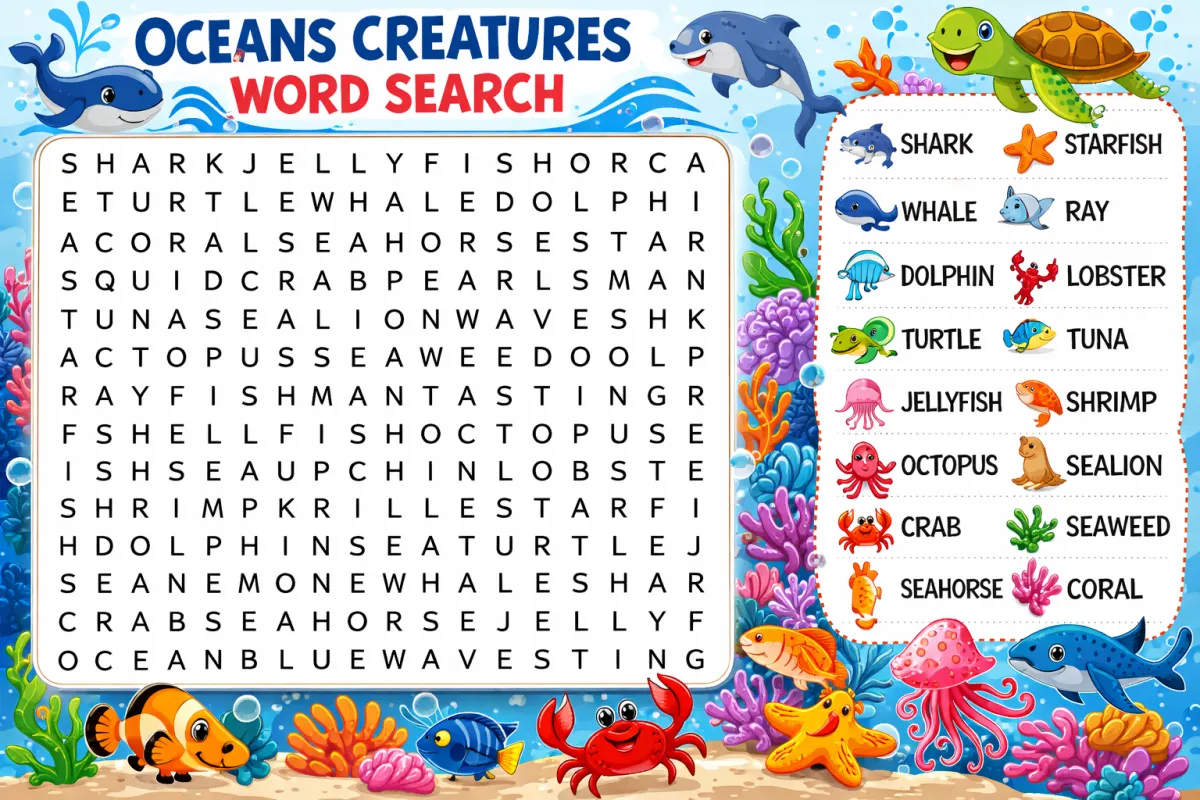
If you have ever stared at an ocean word search puzzle and found yourself wondering what a nudibranch actually looks like, or whether an anglerfish is as terrifying in real life as it sounds you are not alone. Ocean creatures word search puzzles are far more than a simple activity for rainy afternoons. They are gateways into one of the most fascinating, mysterious, and biologically diverse environments on Earth.
The ocean covers approximately 71% of our planet's surface and is home to an estimated 228,450 known species with scientists believing millions more remain undiscovered. When you sit down with an ocean creatures word search, every word you find is a portal into an extraordinary world: creatures that glow in the dark, animals that breathe through their skin, predators that hunt using electrical fields, and gentle giants that travel thousands of miles each year.
This comprehensive guide will take you on a deep dive exploring the most commonly found ocean creatures in word search puzzles, teaching you fascinating facts about each one, and helping you understand why these games are such a powerful educational tool for children and adults alike.
Why Ocean Creatures Word Searches Are So Popular
Word search puzzles have been a classroom staple since the 1960s, and ocean-themed versions consistently rank among the most popular. Here is why they capture our imagination like no other:
- Introduction: Where Fun Meets the Deep Blue Sea
- Why Ocean Creatures Word Searches Are So Popular
- Vocabulary Building Through Exploration
- Cognitive Benefits of Word Search Puzzles
- Cross-Curricular Learning
- Top 20 Ocean Creatures You Will Find in Word Searches
- Great White Shark (Carcharodon carcharias)
- Blue Whale (Balaenoptera musculus)
- Octopus
- Sea Horse
- Clownfish
- Manta Ray
- Jellyfish
- Anglerfish
- Sea Turtle
- Dolphin
- Narwhal
- Hammerhead Shark
- Sea Otter
- Starfish (Sea Star)
- Orca (Killer Whale)
- Mantis Shrimp
- Nudibranch
- Cuttlefish
- Whale Shark
- Bioluminescent Plankton
- Ocean Creatures Word Search: Educational Benefits for Different Age Groups
- For Ages 4 to 7 Early Learners
- For Ages 8 to 12 Developing Learners
- For Ages 13+ Advanced Learners and Adults
- Why These Creatures Need Our Help Ocean Conservation
- The Three Biggest Threats to Ocean Life
- Tips for Creating Your Own Ocean Creatures Word Search
- Conclusion: The Ocean Awaits Your Discovery
Vocabulary Building Through Exploration
Children who engage with ocean word searches naturally absorb the scientific names and common names of marine animals. Words like 'cephalopod', 'bioluminescent', or 'echolocation' become familiar through repetition and context, building a rich vocabulary that supports both science education and general literacy.
Cognitive Benefits of Word Search Puzzles
Research in educational psychology shows that word search puzzles strengthen pattern recognition skills, enhance focus and concentration, improve visual scanning ability, support spelling and letter recognition, and build persistence and problem-solving confidence. These cognitive benefits are maximized when the content is as rich and engaging as ocean life.
Cross-Curricular Learning
Ocean creatures word searches naturally connect multiple subjects. Geography (where animals live), biology (what makes them unique), environmental science (why they are endangered), and even history (ancient maritime myths about sea monsters) all come together in one simple puzzle format.
Top 20 Ocean Creatures You Will Find in Word Searches
Let us explore the marine animals most commonly hidden in ocean word search grids with the fascinating facts that make each one truly unforgettable.
Great White Shark (Carcharodon carcharias)
The most iconic ocean predator, the great white shark can grow up to 20 feet in length and weigh over 2,000 kilograms. What most people do not know is that great whites are warm-blooded unusual for fish which allows them to maintain body temperatures higher than the surrounding water, giving them speed and agility in cold ocean environments.
Lifespan: 70+ years
Diet: Fish, seals, sea lions, dolphins

Conservation status: Vulnerable
Blue Whale (Balaenoptera musculus)
The largest known animal to have ever existed on Earth is the blue whale. Their hearts alone weigh as much as a small car, and their tongues can weigh as much as an elephant. Despite their enormous size, blue whales survive almost entirely on tiny shrimp-like creatures called krill, consuming up to 4 tonnes per day during feeding season.
Length: Up to 100 feet (30 metres)
Weight: Up to 200 tonnes
Conservation status: Endangered
all: The loudest sound produced by any animal heard from hundreds of miles away
Octopus
Among the most intellectual invertebrates on the planet are octopuses.They have three hearts, blue blood (due to copper-based hemocyanin), and nine brains a central brain and one for each arm. They can open jars, solve puzzles, use tools, and even recognize individual human faces. Each of their eight arms operates semi-independently, almost like having separate creatures working together.
Sea Horse
Seahorses are one of nature's most charming surprises. They are the only fish that swim upright, the only species where males become pregnant and give birth, and they have no stomach meaning they must eat almost constantly to survive.
Clownfish
Made famous by popular culture, clownfish have a remarkable biology. All clownfish are born male. When the dominant female of a group dies, the dominant male changes sex to become female. They live in a symbiotic relationship with sea anemones protected by a special mucus coating that prevents anemone stings while protecting the anemone from predators.
Manta Ray
With wingspans reaching up to 7 metres, manta rays are the largest rays in the ocean. They are known for their intelligence and have the largest brain-to-body ratio of any fish. Unlike stingrays, manta rays have no stinging spine. They feed by filter-feeding through open water, swimming with their cephalic fins curled to funnel plankton into their mouths.
Jellyfish
Jellyfish are among the oldest animals on Earth they have existed for over 500 million years, predating dinosaurs. Remarkably, one species (Turritopsis dohrnii) is considered biologically immortal, capable of reverting back to its juvenile state after reaching adulthood. Despite their name and appearance, jellyfish are not fish at all they belong to a group called cnidarians.
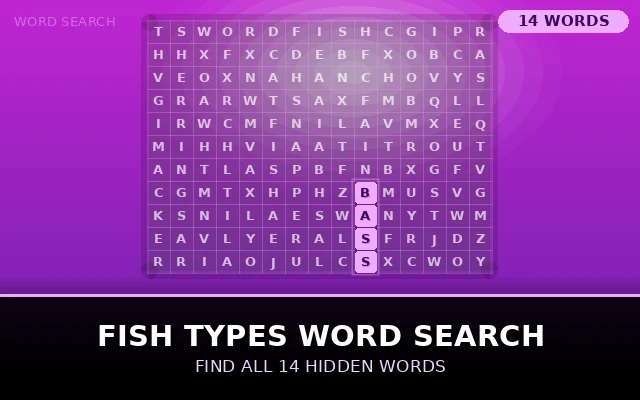
Anglerfish
The anglerfish is the creature of nightmares and also one of the most fascinating animals in existence. Found in the deep sea, females have a bioluminescent lure dangling from their foreheads to attract prey in near-total darkness. Male anglerfish are tiny and, when they find a female, literally fuse their body into hers, sharing her bloodstream and eventually losing all independent organs except reproductive ones.
Sea Turtle
Sea turtles have been around for more than 100 million years, since the time of the dinosaurs.They navigate using Earth's magnetic field as an internal GPS, returning to the exact beach where they were born to lay their own eggs decades later. Sea turtle children are particularly vulnerable to climate change because their sex is solely decided by the temperature of their nests.
Dolphin
Dolphins are renowned for their intelligence, social complexity, and communication. They have names unique whistles that function like names used by other dolphins. They cooperate in sophisticated hunting strategies, show empathy, teach their young, and have been observed using sponges as tools to protect their snouts while foraging on the seafloor.
Narwhal
Sometimes called the 'unicorn of the sea', the narwhal's distinctive tusk is actually an elongated tooth that can grow up to 10 feet long. Scientists believe the tusk is used for sensing environmental changes, detecting salinity and temperature shifts in Arctic waters. Narwhals travel in pods of 15–20 and can dive nearly 5,000 feet deep.
Hammerhead Shark
The unique hammer-shaped head of the hammerhead shark (called a cephalofoil) provides exceptional electroreception the ability to detect electrical fields produced by prey. This allows hammerheads to find stingrays buried under sand. Their wide-set eyes also give them a 360-degree vertical field of vision, seeing above and below simultaneously.
Sea Otter
Sea otters are one of the few animals known to use tools they carry a favourite rock in a pouch under their arm to crack open shellfish. They hold hands while sleeping to prevent drifting apart in ocean currents, a behaviour called 'rafting'. They also have the densest fur of any mammal approximately one million hairs per square inch.
Starfish (Sea Star)
Starfish have remarkable regeneration abilities they can regrow lost arms, and in some species, a single severed arm can regenerate into a completely new individual. They have no brain and no blood; seawater flows through their bodies in place of blood. They 'see' through light-sensitive cells at the tip of each arm, detecting basic changes in light and dark.
Orca (Killer Whale)
Orcas are the apex predators of the ocean no other creature consistently preys on them. They live in matrilineal societies, with grandmothers playing a crucial role in leading pod knowledge. Different orca populations have distinct dialects, cultures, and hunting techniques passed down through generations a form of non-human culture.
Mantis Shrimp
The mantis shrimp is perhaps the most remarkable animal in the ocean that most people have never heard of. They can punch with the force of a bullet, strike at 50 mph, and have the most complex visual system of any known animal 16 types of colour receptors compared to humans' three. Their strikes are so fast they can boil water momentarily through cavitation.
Nudibranch
Nudibranchs often called sea slugs are among the most visually spectacular animals on the planet. These soft-bodied molluscs come in thousands of vivid colour combinations and bizarre shapes. Some can incorporate stinging cells from the jellyfish they eat and deploy them against predators. They are hermaphroditic, each individual possessing both male and female reproductive organs.
Cuttlefish
Cuttlefish are masters of disguise, capable of changing both colour and texture in milliseconds despite being colourblind. They communicate through complex skin-pattern displays and are considered among the most intelligent cephalopods. They have an internal shell called a cuttlebone used for buoyancy control, often found washed up on beaches.
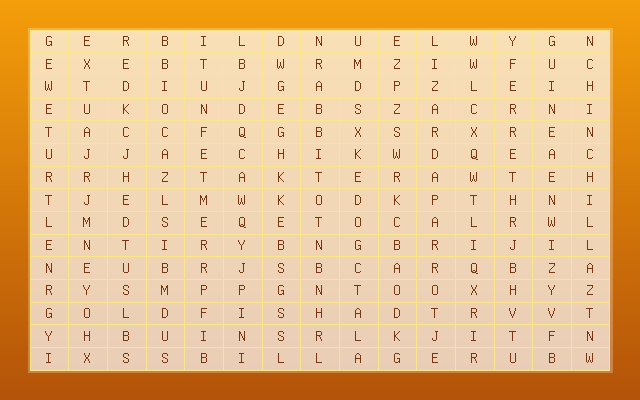
Whale Shark
The whale shark is the largest fish in the ocean, reaching lengths of up to 40 feet, yet it feeds entirely on plankton, small fish, and fish eggs filtering thousands of litres of water every hour. Each whale shark has a unique pattern of spots and stripes, like a fingerprint, used by scientists to identify individuals across the global ocean.
Bioluminescent Plankton
While not a single creature, bioluminescent plankton (primarily dinoflagellates) are the magic behind those glowing waves seen at night on beaches. When disturbed by movement, they emit blue-green light through a chemical reaction involving luciferin. This phenomenon, called the 'Sea of Stars', occurs in places like the Maldives, Puerto Rico, and parts of California.

Ocean Creatures Word Search: Educational Benefits for Different Age Groups
For Ages 4 to 7 Early Learners
Simple ocean word searches with 3–5 letter words (FISH, CRAB, SEAL, CLAM) introduce children to the concept that the ocean is full of different life forms. Combined with colourful illustrations, these puzzles build early literacy while sparking curiosity about nature.
For Ages 8 to 12 Developing Learners
More complex puzzles featuring words like DOLPHIN, OCTOPUS, SEAHORSE, and STINGRAY encourage independent reading and reinforce classroom science topics. This age group benefits from puzzles that combine the word search with brief facts printed alongside each hidden word.
For Ages 13+ Advanced Learners and Adults
Scientific names (CARCHARODON, BALAENOPTERA), behavioural terms (BIOLUMINESCENCE, ECHOLOCATION), and conservation vocabulary (ENDANGERED, MIGRATORY) provide serious vocabulary enrichment. These puzzles pair well with documentary watching and independent research projects.
Why These Creatures Need Our Help Ocean Conservation
Many of the animals featured in ocean word search puzzles face serious threats in the wild. Understanding these threats is the first step toward becoming an ocean advocate.
The Three Biggest Threats to Ocean Life
Climate Change and Ocean Warming
Rising ocean temperatures are bleaching coral reefs, shifting migration patterns, and reducing oxygen levels in deep water zones. Many species are being forced to move to cooler waters, disrupting ecosystems that have been stable for thousands of years.
Plastic Pollution
An estimated 8 million tonnes of plastic enter the ocean every year. Sea turtles mistake plastic bags for jellyfish. Seabirds feed plastic fragments to their chicks. Microplastics have been found in the stomachs of deep-sea creatures that have never had contact with the surface world.

Overfishing
Decades of overfishing have dramatically reduced populations of tuna, cod, sharks, and many other species. Bycatch unintended catch of non-target species kills millions of dolphins, sea turtles, and seabirds every year. Sustainable seafood choices and international fishing regulations are essential to reversing these trends.
By learning about ocean creatures through educational activities like word searches, we build the knowledge and empathy needed to protect them. Every person who understands the difference between a manta ray and a stingray is more likely to care about protecting their ocean habitat.
Tips for Creating Your Own Ocean Creatures Word Search
Creating a custom ocean word search is a wonderful classroom or home activity. Here are expert tips for making it both challenging and educational:
Choose a theme within a theme: Instead of 'all ocean animals', try 'deep sea creatures', 'coral reef fish', or 'endangered marine animals' for a more focused educational experience.
Mix difficulty levels: Include some short, easy words (EEL, COD, RAY) alongside longer challenges (HAMMERHEAD, BIOLUMINESCENT) to keep all skill levels engaged.
Add a fact column: Beside each word in the answer key, print one amazing fact. This transforms the puzzle from a game into a mini-encyclopaedia.
Use both horizontal and diagonal placement: Diagonal words are significantly harder to find and create a more rewarding puzzle-solving experience.
Include scientific names for older audiences: TURSIOPS (bottlenose dolphin) or HIPPOCAMPUS (seahorse genus) make excellent advanced vocabulary challenges.
Create ocean zone versions: Organise words by ocean depth zone sunlight zone, twilight zone, midnight zone, abyssal zone teaching ocean zonation alongside animal identification.
Read More: Oceans Creatures
Conclusion: The Ocean Awaits Your Discovery
Ocean creatures word search puzzles are a deceptively simple activity that opens the door to one of the most complex and awe-inspiring environments on our planet. Every word you find from the humble starfish to the majestic blue whale represents millions of years of evolution, extraordinary adaptation, and a place in a delicate ecosystem that sustains all life on Earth.
Whether you are a parent looking for enriching activities for your child, a teacher seeking curriculum-aligned resources, or simply someone who loves the ocean and all its mysteries, ocean word searches offer a quiet, focused, and deeply rewarding way to connect with the marine world. They build vocabulary, sharpen the mind, and most importantly nurture the sense of wonder that motivates a lifetime of learning and conservation.
The next time you sit down with an ocean word search and your eyes sweep across that grid of letters, remember: each hidden word is a real creature, living and breathing in the extraordinary world beneath the waves. Find the word. Learn the animal. Protect the ocean.