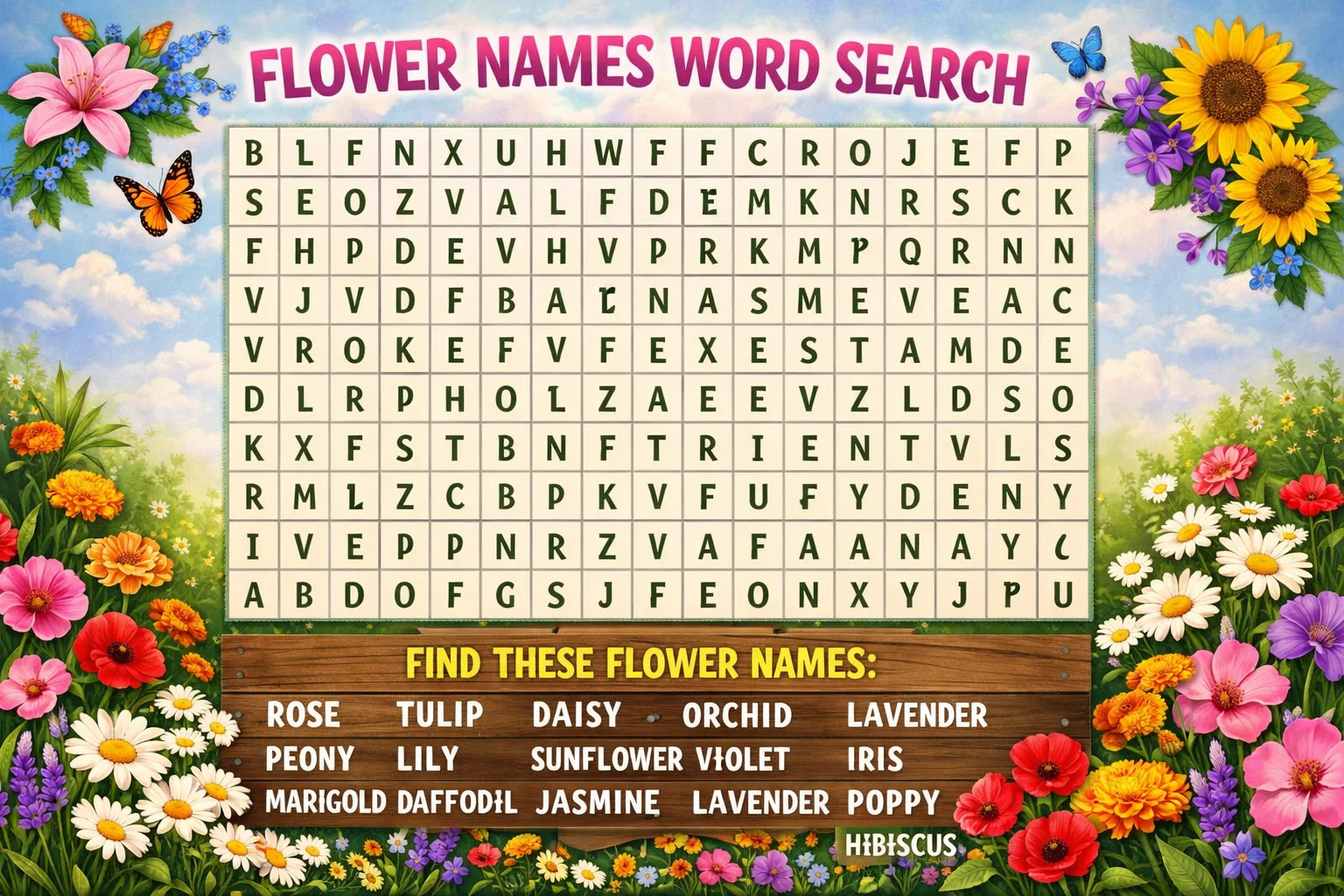
Flower Names Word Search Your Complete Guide to Knowing Puzzle
Introduction: When Puzzles Meet Petals
Word search puzzles have been a beloved pastime for generations. From school classrooms to weekend newspapers, from quiet Sunday mornings to long road trips, these deceptively simple grids of letters have kept minds sharp and hours enjoyable. But when a word search is built around flower names, something special happens. The puzzle stops being just a game and becomes a small garden of knowledge a place where language, nature, and curiosity all meet in one colorful, fragrant corner.
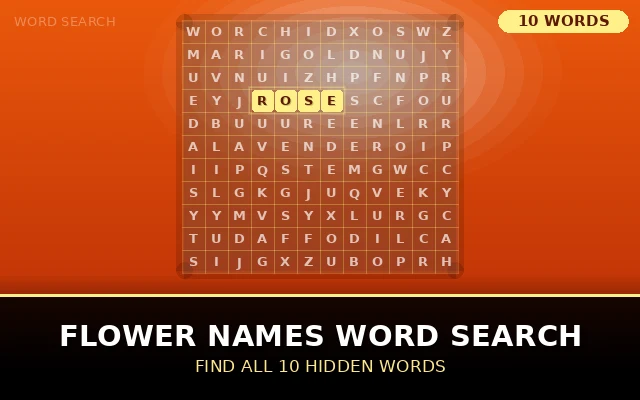
If you have ever sat down with a flower names word search and found yourself wondering about the stories behind those hidden words, you are in exactly the right place. This blog is your complete guide to flower names in the context of word search puzzles covering everything from how flowers get their names, to which flower names appear most often in puzzles, to why certain names are harder to find than others. Whether you are a teacher looking for classroom material, a gardening enthusiast who loves language, or simply someone who wants to level up their puzzle skills, this guide has everything you need.
Flower names are uniquely suited to word search puzzles. They span every length from three letters to fifteen or more. They come from a dazzling variety of languages and cultures. They carry meanings that have accumulated over centuries of human symbolism and tradition. And they are, quite simply, beautiful both to look at in a garden and to find hidden among the rows and columns of a puzzle grid.
Why Flower Names Are Perfect for Word Search Puzzles
Not every category of word works equally well in a word search puzzle. The best word search words share certain qualities: they are recognizable, they have distinctive letter patterns, they span a useful range of lengths, and they carry enough cultural familiarity that finding them creates a moment of genuine recognition and satisfaction. Flower names tick every single one of those boxes and then some.
- Introduction: When Puzzles Meet Petals
- Why Flower Names Are Perfect for Word Search Puzzles
- Letter Variety and Length Range
- Cultural Familiarity and Emotional Resonance
- How Flower Names Are Organized in Word Searches
- Organizing by Color
- Organizing by Meaning
- Organizing by Origin and Language
- The Alphabetical Puzzle Flower Names and Letters
- A Blooming Naming Tradition Flower Names for People
- Advanced Word Search Territory Scientific Flower Names
- An Unexpected Connection Flower Names for Pets
- How to Solve Flower Names Word Searches Faster
- Conclusion: A Word Search That Grows
Letter Variety and Length Range
Flower names range from very short to remarkably long, which makes them ideal for building word search grids at any difficulty level. Short flower names fit neatly into tight corners of the grid and can be placed diagonally or backwards to add challenge. Longer flower names especially those with unusual letter combinations like double consonants or unexpected vowel sequences create the most satisfying hidden words because they are visually distinctive once found.
The letter variety in flower names is equally impressive. Because flower names come from Latin, Greek, Japanese, Hawaiian, French, Spanish, English, and dozens of other linguistic traditions, the letter combinations they contain are unusually diverse. This diversity is exactly what makes a densely packed word search grid exciting to solve the flower names create genuine pattern-recognition challenges that reward careful, attentive scanning.
Cultural Familiarity and Emotional Resonance
Flower names carry cultural weight that few other word categories can match. People have personal relationships with flowers through gardens they tend, gifts they have received, weddings they have attended, and memories tied to a particular bloom. When a solver spots a flower name they love hidden in a puzzle grid, the emotional response is different from finding a generic vocabulary word. That personal resonance is what makes flower names word searches more memorable and enjoyable than many other themed puzzles.
Flower names also appear constantly in everyday culture in song titles, in perfume brands, in baby names, in idioms and expressions. This cultural saturation means that most people already carry a large vocabulary of flower names without realizing it. A well-designed flower names word search activates that latent knowledge, turning a passive cultural familiarity into an active puzzle-solving skill.
How Flower Names Are Organized in Word Searches
One of the most interesting things about flower name word searches is how they can be structured and organized. Different organizational frameworks produce very different puzzle experiences from gentle beginner-friendly activities to rigorous expert challenges. Understanding these organizational principles helps both puzzle creators and puzzle solvers approach flower word searches more strategically.
Organizing by Color
Color-based flower name word searches are among the most popular thematic formats in this category. Grouping flower names by their bloom color creates a visually intuitive puzzle theme that is easy to understand and immediately engaging. Purple flower names, white flower names, and flower names for specific color categories are consistently among the most searched terms in the entire flower vocabulary space reflecting how naturally people think about flowers through the lens of color.
A color-themed flower word search does more than organize words on a page. It invites solvers to think about what makes different flowers share a color, how different shades within a single color family can be distinguished by name, and how the naming traditions of different botanical traditions handle color description. These are genuinely educational questions that a well-designed color-based puzzle can prompt without the solver even noticing they are learning.
Organizing by Meaning
Flower names and their meanings have fascinated people for centuries. The Victorian tradition of floriography using flowers and their names to communicate feelings and messages created a rich symbolic vocabulary that still resonates today. Flower names with meaning are among the most searched terms in this topic area, and organizing a word search around flowers that share a symbolic meaning is a particularly rich design choice.
A meaning-based flower word search might group together all the flowers associated with love, all the flowers associated with courage, all the flowers linked to remembrance or to joy. Each grouping tells a story, and finding the words in the puzzle becomes a small act of cultural discovery. This format works particularly well for adult learners and for educational contexts where the goal is vocabulary enrichment rather than simple pattern recognition.
Organizing by Origin and Language
Flower names in Japanese, flower names in Hawaiian, flower names in Spanish, and flower names from Latin traditions are all popular search themes and all of them translate beautifully into word search format. Language-organized flower word searches are especially effective in multilingual educational settings, where the puzzle can serve as a bridge between botanical vocabulary and language learning.

Hawaiian flower names deserve special mention because of their extraordinary beauty and cultural depth. The Hawaiian language has a uniquely musical quality its sounds, rhythms, and the meanings embedded in its flower names reflect a profound relationship between the Hawaiian people and their island ecosystem. Searching for Hawaiian flower names in a word search requires not just letter-pattern recognition but a familiarity with the distinctive sound structures of the Hawaiian language.
Japanese flower names carry the layered meanings of Hanakotoba the Japanese language of flowers which assigns symbolic messages to individual blooms. Japanese flower names and their meanings are widely searched by people interested in the intersection of language, culture, and natural beauty. Including Japanese flower names in a word search creates opportunities for cross-cultural education that go far beyond simple vocabulary building.
The Alphabetical Puzzle Flower Names and Letters
One of the most popular formats for flower name word searches especially in educational settings is the alphabetical or letter-specific approach. Flower names starting with a specific letter are consistently searched, and flower names starting with letters like A, C, and P generate particularly high interest, reflecting how many well-known flowers begin with these letters.
Alphabetical flower word searches serve a dual educational purpose: they build botanical vocabulary while reinforcing alphabetical sequencing skills. For younger learners, the challenge of finding a flower name for every letter of the alphabet turns a puzzle into a research project. For older learners, alphabetical flower word searches organized around specific letters can highlight how different linguistic traditions have contributed to botanical naming in English.
Flower names with four letters and flower names with five letters are also popular search queries reflecting the use of length constraints in crossword clues and letter-count based word games. Short flower names are among the trickiest to find in word search grids because their brevity allows them to hide in unexpected places: diagonally in a corner, backwards along an edge, or nestled inside a longer unrelated sequence of letters. Developing familiarity with short flower names is one of the most effective ways to improve performance on intermediate word search puzzles.
A Blooming Naming Tradition Flower Names for People
One of the richest intersections between flower vocabulary and human culture is the tradition of using flower names as given names for people. Flower names for women and female flower names are among the most heavily searched terms in the entire flower naming space with some of the highest search volumes of any flower-related query. This reflects how deeply embedded the practice of flower-based naming is across different cultures and generations.
The practice of naming children after flowers has ancient roots. It flourished particularly during the Victorian era, when the formal language of flowers was at its cultural peak, and many of the names established during that period have remained popular ever since. Today, flower-inspired names continue to be chosen for their beauty, their naturalness, and the positive meanings and associations they carry.

Flower names for male individuals male flower names are another interesting category. While flower naming for boys is less common in some Western traditions, many cultures around the world have rich traditions of flower-inspired masculine names. These names draw on flowers that are associated with strength, resilience, or specific cultural significance, and they often carry meanings that are very different from the delicate associations that flower names sometimes evoke in Western contexts.
In word search puzzles, the overlap between flower names and personal names creates interesting double-identity possibilities. A word search grid might legitimately include a word that functions as both a botanical term and a given name and spotting that dual identity adds an extra layer of meaning to the discovery. Unique flower names are particularly valued in both botanical and naming contexts, and searching for them in a word search requires both vocabulary breadth and careful attention to less common letter patterns.
Advanced Word Search Territory Scientific Flower Names
For experienced word search enthusiasts who want to push their skills to the highest level, scientific and Latin flower names represent the ultimate challenge. Scientific flower names follow the Latin binomial nomenclature system and contain letter combinations that are unusual in everyday English which makes them visually distinctive in a puzzle grid but extremely difficult to find without prior knowledge.
Latin flower names carry hidden meanings embedded in their structure. Understanding even a handful of common Latin botanical roots words meaning color, size, shape, habitat, or geographic origin transforms the experience of encountering an unfamiliar scientific flower name. Instead of seeing a meaningless string of letters, the knowledgeable solver sees a description: a small, painted portrait of the plant itself encoded in classical language.
Flower variety names and cultivar names occupy an interesting middle ground between common names and scientific names. These are the names given to specific cultivated varieties of flowers names that are often creative, poetic, and deeply connected to the aesthetic character of the particular bloom they describe. Flower variety names are increasingly included in advanced word search puzzles, reflecting the growing sophistication of puzzle audiences and the expanding popular interest in horticulture.
An Unexpected Connection Flower Names for Pets
One of the most charming trends in flower word search themes is the incorporation of flower names as pet names. Flower names for dogs and flower names for cats are surprisingly high-traffic search terms reflecting how widely people draw on floral vocabulary when naming their animal companions. Pet owners who love flowers naturally gravitate toward flower names when choosing a name for a new pet, and the resulting names have a warm, whimsical quality that suits the affectionate relationship between people and their animals.
In word search terms, this creates an interesting thematic possibility. A puzzle themed around flower names suitable for pets would naturally gravitate toward shorter, softer flower names names that are easy to call out, pleasant to hear repeatedly, and light enough not to feel incongruous attached to an animal. These names tend to be among the most charming and accessible entries in any flower word search, making them ideal for puzzles aimed at families and younger audiences.

The connection between flower names and pet names also reflects a broader truth about how flower vocabulary permeates everyday life in ways we often do not consciously notice. We reach for flower names when we want to express beauty, gentleness, and natural vitality whether we are naming a garden plant, a new baby, a beloved pet, or a fictional character. A flower names word search, at its best, brings all of these associations to the surface and celebrates the astonishing richness of botanical vocabulary in human life.
How to Solve Flower Names Word Searches Faster
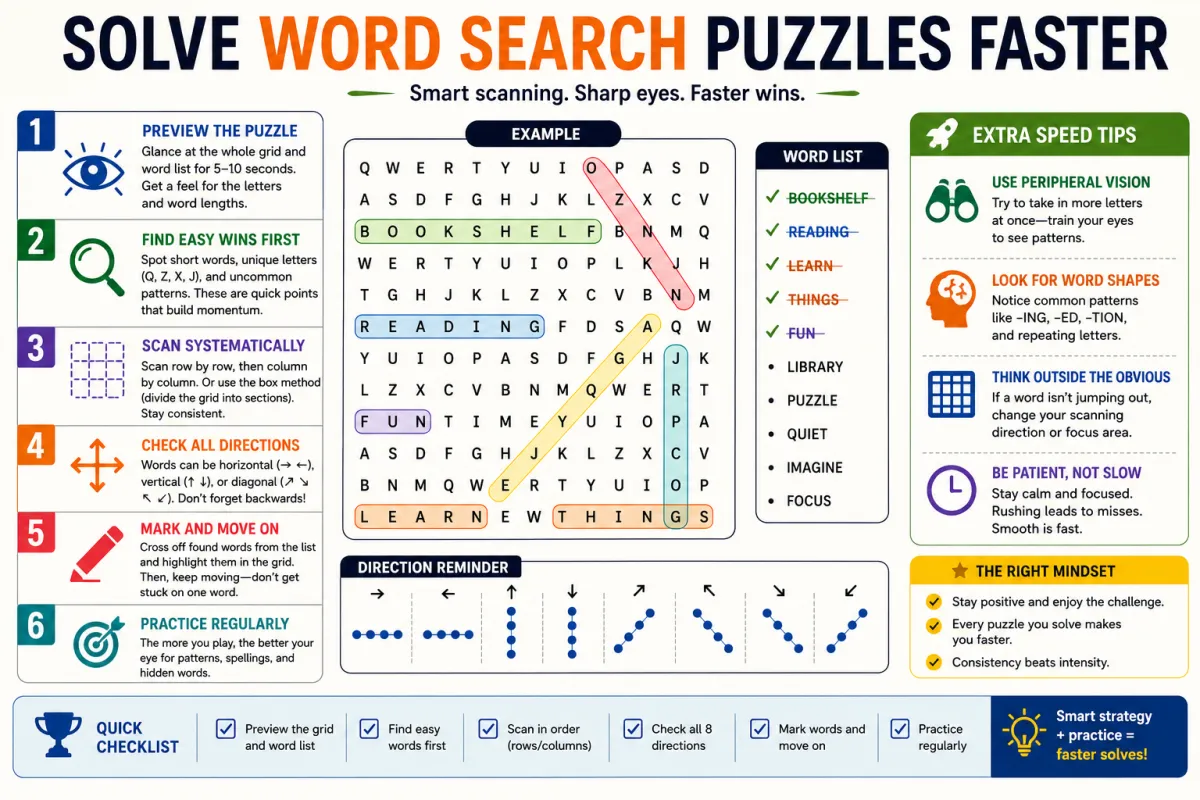
Build your vocabulary before you start. The single most effective thing you can do to improve your flower word search performance is to invest time in learning flower names before you sit down with the puzzle. Even a few minutes reviewing common flower names particularly those starting with less familiar letters or belonging to less common color categories can dramatically speed up your solving time.
Scan for unusual letter combinations first. Many flower names contain distinctive double letters, unusual consonant clusters, or rare vowel sequences. Training yourself to spot these features rather than scanning letter by letter from the beginning of each name lets you cover more of the grid more quickly.
Remember all eight directions. Horizontal, vertical, diagonal, and backwards placements are all used in flower word searches. Beginners often overlook diagonal and reverse placements. Making a deliberate habit of checking all eight directions for each name you are searching for is one of the quickest ways to improve your puzzle completion time.
Use meaning as memory support. When you learn a flower name alongside its meaning its cultural symbolism, its botanical description, or its linguistic origin you are far more likely to remember it. And the better you remember flower names, the faster you find them in a word search grid.
Start with the longest names. Longer flower names are visually distinctive and easier to spot once you know where to look. Finding the long names first clears significant portions of the grid and makes the remaining shorter names much easier to locate.
Read More: Fish Names
Conclusion: A Word Search That Grows
There is something genuinely wonderful about a flower names word search. It is a puzzle that grows more rewarding the more you bring to it. The more flower names you know, the more quickly you find them. The more you understand about their meanings, origins, and cultural significance, the more each discovery feels like reconnecting with an old friend rather than simply locating a hidden string of letters.
Every flower name in that puzzle grid represents something real: a living thing that grew somewhere on this earth, was noticed by a human being, was given a name, and was found beautiful enough to be remembered and passed along. The flower names word search, at its best, is a celebration of all of that the natural world, the human impulse to name and classify, the cultural traditions that have built up around the act of naming, and the simple joy of finding a hidden word in a sea of letters.
Whether you are solving your very first flower word search or your thousandth, whether you are building a classroom puzzle or hunting through an advanced botanical challenge, the world of flower names offers endless material to explore. New flowers are discovered every year. New varieties are cultivated. New names are coined. The garden of floral vocabulary never stops growing and neither does the pleasure of searching through it.