Word Search Puzzles Benefits for Brain: Science-Backed Guide (2026)
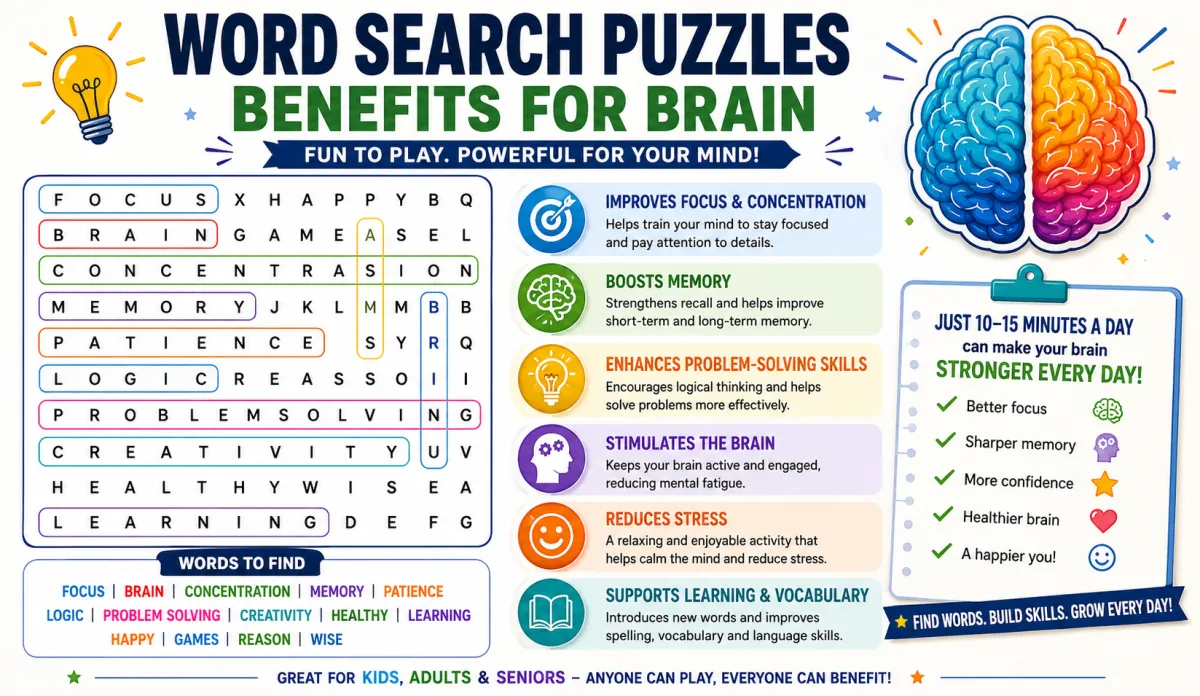
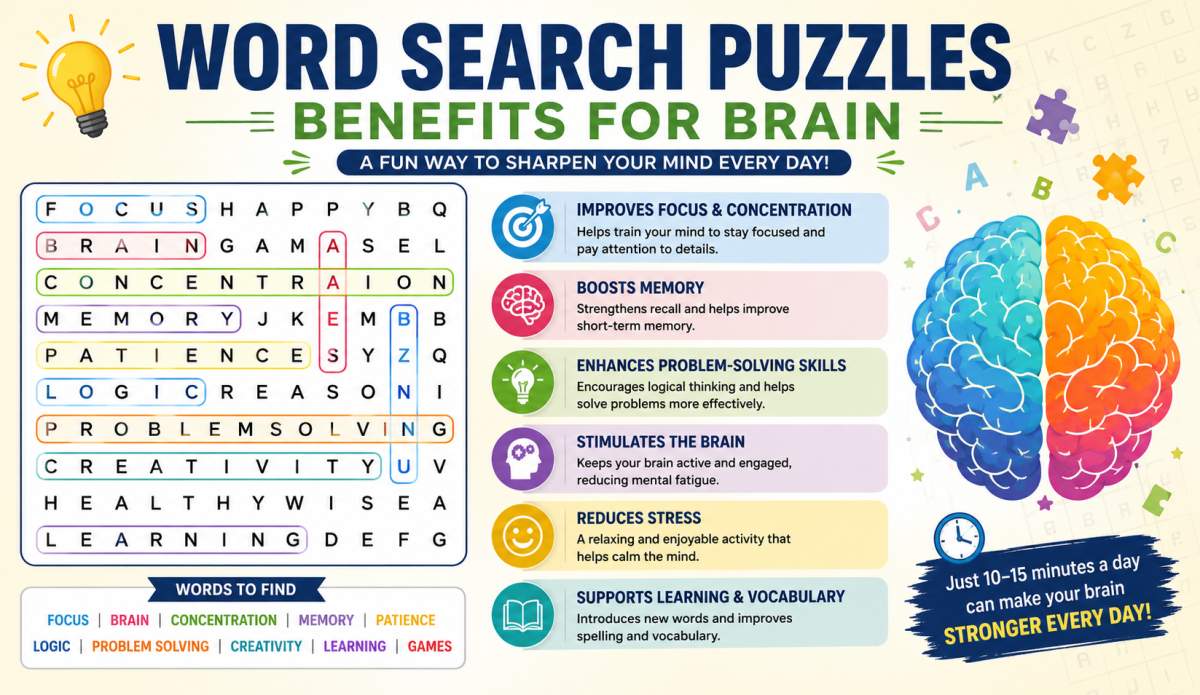
You already enjoy word search puzzles but did you know they are also one of the most effective brain-training activities available? Far from being a simple pastime, word search puzzles trigger multiple cognitive systems simultaneously, giving your brain a genuine workout every single time you play.
In this guide, we break down the science-backed benefits of word search puzzles for the brain, explain which age groups benefit the most, and show you exactly how regular puzzle play can improve your daily mental performance.
Ready to start? itwordsearches.com offers 271 free word search puzzles across 32 categories including Health, Science, and Daily Word Search with no registration required.
What Happens in Your Brain When You Solve a Word Search?
When you scan a word search grid, your brain is not simply looking at letters, it is running several complex cognitive processes at the same time:
- Visual cortex activation — processing the shapes and patterns of letters in the grid
- Working memory engagement — holding the target word in mind while scanning
- Selective attention — filtering out irrelevant letters to find the one you need
- Language processing — connecting letter clusters to meaningful words
- Reward system activation — releasing dopamine each time you find a word
This multi-system engagement is what makes word searches uniquely valuable compared to passive entertainment like scrolling social media. Every puzzle session is an active cognitive event.
Puzzles:
- What Happens in Your Brain When You Solve a Word Search?
- Puzzles:
- Proven Brain Benefits of Word Search Puzzles
- 1. Improved Visual Scanning and Pattern Recognition
- 2. Enhanced Concentration and Sustained Attention
- 3. Vocabulary and Spelling Reinforcement
- 4. Memory Strengthening
- 5. Stress Reduction and Mental Relaxation
- 6. Cognitive Reserve and Dementia Prevention
- 7. Improved Mood and Sense of Achievement
- Quick Stats: Word Search Brain Benefits at a Glance
- Who Benefits Most from Word Search Puzzles?
- How to Maximise the Brain Benefits
- Conclusion: A Small Daily Habit With Lasting Brain Benefits
Proven Brain Benefits of Word Search Puzzles
1. Improved Visual Scanning and Pattern Recognition
Word searches train your eyes to move efficiently and systematically across a grid a skill directly transferable to everyday reading, data analysis, and detail-oriented work. Regular solvers develop faster, more accurate eye tracking patterns. Studies in visual cognition consistently show that puzzle activities which require systematic scanning strengthen the visual processing pathways in the brain over time.
People who solve word searches regularly often notice improvements in their ability to proofread documents, spot errors in spreadsheets, and read complex maps or diagrams more quickly.
2. Enhanced Concentration and Sustained Attention
Completing a word search requires you to maintain focus for an extended period — sometimes 10 to 30 minutes for larger grids. This sustained attention exercise strengthens the prefrontal cortex, the region of the brain responsible for concentration, planning, and impulse control.
In a world filled with constant digital distractions, practicing deep focus through word searches builds your brain's ability to resist distraction in other areas of life. Even 15 minutes of puzzle solving per day can measurably improve your attention span over several weeks.
3. Vocabulary and Spelling Reinforcement
Encountering words visually within a grid even words you already know reinforces their spelling and visual appearance in long-term memory. This process, known as orthographic learning, means that word searches are not just entertaining; they are genuinely educational.
For children aged 5 to 12, themed word searches are one of the most effective vocabulary-building tools available. For adults learning a second language, English-language word searches on topics like Food, Travel, or Business help lock new vocabulary into memory far more effectively than simple flashcard repetition.
4. Memory Strengthening
Short-term working memory is exercised every time you hold a word in your mind and scan the grid for it. Over repeated sessions, this practice strengthens the hippocampus — the brain region central to memory formation and retrieval.
Research on cognitive aging consistently highlights puzzle activities as one of the most accessible ways to maintain memory function as we grow older. Word searches are particularly well-suited for memory maintenance because they combine visual recall, language processing, and spatial awareness in a single low-stress activity.
5. Stress Reduction and Mental Relaxation
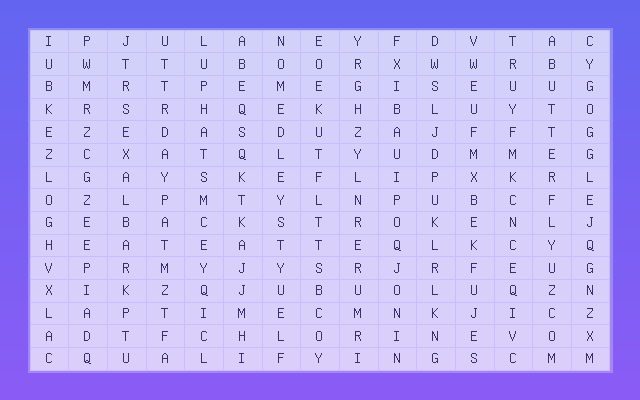
Word search puzzles create a state of focused calm often described as a flow state a mental condition where you are fully absorbed in a task without feeling overwhelmed. This state actively lowers cortisol (the stress hormone) and gives the anxious, problem-solving part of your mind a productive rest.
Unlike action video games or social media, which can raise stress levels, word searches provide gentle mental engagement that leaves most solvers feeling refreshed rather than drained. Many therapists recommend puzzle activities as part of anxiety management routines for exactly this reason.
6. Cognitive Reserve and Dementia Prevention
One of the most significant long-term benefits of regular puzzle solving is the building of cognitive reserve essentially the brain's resilience against age-related decline. People who consistently engage in mentally stimulating activities including word searches, crosswords, and reading show measurably slower cognitive decline in later life.
Word searches are particularly recommended for seniors because they are visually accessible, non-frustrating (no blank squares to fill in from scratch), and can be completed at any pace. The Health category on itwordsearches.com is especially popular among older players for this reason.
7. Improved Mood and Sense of Achievement
Every word you find triggers a small dopamine release your brain's natural reward chemical. Over the course of a single puzzle session, these micro-rewards accumulate into a genuine mood lift. This is why word searches feel satisfying even when they are challenging, and why many players feel noticeably better after completing a puzzle than before they started.
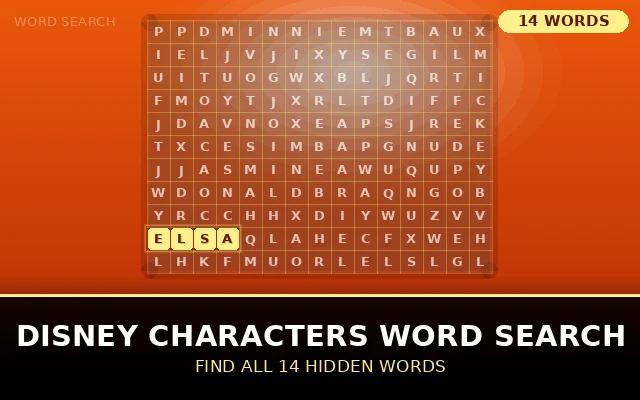
For children, the consistent small wins of finding words builds confidence, persistence, and a positive relationship with learning. These psychological benefits extend well beyond the puzzle itself.
Quick Stats: Word Search Brain Benefits at a Glance
| Stat | Detail |
|---|---|
| 15 min | Daily puzzle solving shown to improve attention span measurably within weeks |
| 32 | Categories on itwordsearches.com — covering science, health, animals, sports and more |
| 271 | Free word search puzzles available — no registration, no payment required |
Who Benefits Most from Word Search Puzzles?
Children (Ages 5–12)
Word searches build phonics awareness, spelling skills, and left-to-right eye tracking foundational skills for reading. Themed puzzles around Animals, Food, and Kids topics make learning feel like play. The Kids category on itwordsearches.com is designed specifically for this age group.
Students (Ages 13–25)
Curriculum-aligned word searches covering Science, History, Geography, and Technology help students memorise subject-specific vocabulary before exams. Solving a topic-specific puzzle before studying has been shown to improve information retention during subsequent reading.
Working Adults
A short word search session during a lunch break or commute provides genuine cognitive recovery — refreshing attention and reducing mental fatigue. Many professionals use puzzles as a screen-break alternative that still keeps the mind active.
Seniors (Ages 60+)
Regular word search play supports memory, visual processing, and language recall three areas most vulnerable to age-related decline. The Daily Word Search category on itwordsearches.com provides a fresh brain-training puzzle every single day.
How to Maximise the Brain Benefits
- Play daily — even 10 to 15 minutes provides measurable cognitive benefit over time
- Choose themed puzzles that stretch your vocabulary (try Science or Technology categories)
- Gradually increase difficulty — move from smaller grids to larger, more complex ones
- Mix puzzle types — alternate between fast easy puzzles and slow challenging ones
- Play without distractions — put your phone aside and give the puzzle your full attention
Conclusion: A Small Daily Habit With Lasting Brain Benefits
The evidence is clear and consistent: word search puzzles are not just entertaining they are one of the most accessible and enjoyable ways to actively care for your brain. In a world where screen time often drains our attention and increases stress, word searches offer something genuinely different: focused, rewarding mental engagement that leaves you feeling sharper, calmer, and more accomplished.
From strengthening visual scanning and working memory to reducing cortisol levels and building long-term cognitive reserve, the brain benefits of word search puzzles touch virtually every area of mental performance. Whether you are a child building reading skills, a student preparing for exams, a professional seeking a mindful break, or a senior protecting your cognitive health a daily word search habit works for you.
The best part? You do not need expensive equipment, a gym membership, or a specialist programme. All you need is a puzzle and a few minutes of focused attention. That simplicity is precisely what makes word searches one of the most powerful and most underestimated brain-training tools available today.