Bicycles and Cycling Word Search: Pedaling Through Vocabulary
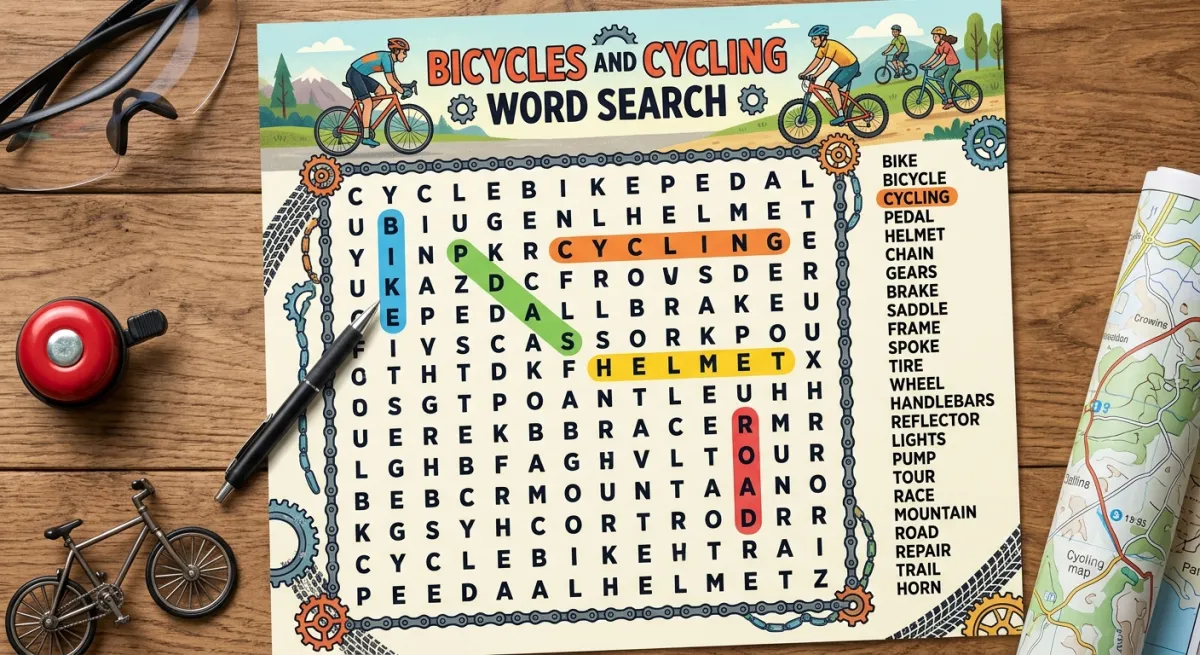
Few activities combine simplicity and freedom quite like riding a bicycle. Whether it is a leisurely ride around the neighborhood or a demanding mountain trail, cycling has its own rich vocabulary shaped by decades of innovation and sport. A bicycles and cycling word search takes this beloved activity and turns it into an engaging vocabulary puzzle, hiding the language of gears, trails, and pedals inside a letter grid for solvers to discover one word at a time.
What Is a Bicycles and Cycling Word Search?
A bicycles and cycling word search is a grid-based It wordsearch puzzle in which words related to bicycles, cycling gear, and riding terminology are hidden horizontally, vertically, diagonally, or backwards among rows of letters. Solvers use a provided word list to scan the grid carefully, circling each hidden term as it is found. Rather than presenting cycling vocabulary as a plain list to memorize, this puzzle format wraps the learning experience inside an interactive challenge that keeps solvers engaged from the first hidden word to the last.
What makes this theme especially appealing is how directly it connects to an activity enjoyed by people of nearly every age, from a child learning to ride without training wheels for the first time to an adult training for a long-distance charity ride. The vocabulary in a bicycles and cycling word search feels immediately practical rather than abstract or purely academic.
Why Cycling-Themed Word Search Work So Well
Word search puzzles have long been recognized as effective tools for reinforcing vocabulary and spelling, and pairing that structure with cycling terminology adds a genuine layer of everyday usefulness. Because so many people already have some experience riding a bicycle, searching for a word like "handlebars" or "derailleur" inside a dense grid connects to real, lived experience rather than unfamiliar academic content.

- What Is a Bicycles and Cycling Word Search?
- Why Cycling-Themed Word Search Work So Well
- Building a Strong Cycling Word List
- Adjusting Difficulty for Every Age Group
- Where This Puzzle Shines
- The Engineering Behind Every Word
- Tips for Solving This Puzzle Quickly
- A Lifelong Skill Worth Celebrating
- A Puzzle That Builds Confidence Before the Ride
- Conclusion
This activity also strengthens several cognitive skills at once. Locating a hidden word requires the solver to hold a target term in working memory while systematically scanning rows and columns, a task that builds sustained attention and visual pattern recognition. For children learning to ride a bicycle for the first time, a bicycles and cycling word search offers a fun way to build excitement and vocabulary before or after an actual practice session.
There is also a genuine safety and preparedness dimension worth noting. Understanding basic cycling vocabulary, such as knowing what a "helmet" or "reflector" refers to, plays a small but meaningful role in broader bicycle safety education, especially for young riders just learning the rules of the road and how to share space safely with cars and pedestrians.
-
Country Music Artists
-
Rock Music Legends
-
Hip-Hop Artists Word Search
-
Musical Instruments Word Search
-
Music Genres Word Search
-
Famous Bands Word Search
-
Music Terms Word Search
Building a Strong Cycling Word List
Creating an effective bicycles and cycling word search starts with a well-organized word list that spans several categories:
Bicycle Parts – Handlebars, pedal, wheel, and seat anchor most puzzles with widely recognized vocabulary tied to the basic components of any bicycle.

Gear and Safety Equipment – Helmet, reflector, lock, and gloves introduce vocabulary tied to the equipment riders use to stay safe and secure while cycling.
Riding Terms and Techniques – Words like gear, brake, and derailleur round out the list with vocabulary tied to the mechanics of actually operating and maintaining a bicycle.
Trail and Route Vocabulary – Terms such as trailhead, incline, and route add vocabulary tied to the outdoor settings where cycling often takes place.
Balancing shorter, familiar terms with a handful of longer or more technical ones, such as "derailleur" or "reflector," ensures that a bicycles and cycling word search remains engaging for beginner and experienced riders alike.

Adjusting Difficulty for Every Age Group
As with any word search, difficulty depends on grid size, total word count, and the directions words are allowed to appear in. A smaller 10x10 grid featuring a dozen straightforward horizontal words works well for young children just learning to ride or becoming familiar with basic cycling vocabulary. As solvers grow more confident, expanding to a 15x15 or 20x20 grid, adding diagonal and backwards placements, and introducing more technical terms creates a genuinely satisfying challenge for older students and dedicated cycling enthusiasts.
Many physical education teachers and cycling coaches prepare two versions of the same bicycles and cycling word search, a simplified beginner grid and a more advanced version, allowing the same active theme to serve young beginners and experienced riders alike.
Where This Puzzle Shines
A bicycles and cycling word search fits naturally into a wide variety of settings. Physical education teachers frequently use it during units on outdoor activities or bicycle safety, giving students a fun way to build vocabulary before or after a hands-on riding lesson. Community bike safety programs sometimes include this puzzle in materials distributed to young riders, reinforcing key safety vocabulary in an engaging, low-pressure format.
Parents teaching a child to ride for the first time can pair a bicycles and cycling word search with the actual learning experience, using the puzzle as a fun way to build excitement and vocabulary around this exciting new skill. Cycling clubs and charity ride organizers sometimes use this puzzle as a lighthearted activity at pre-ride gatherings, helping participants engage with shared terminology before setting out on the road together.
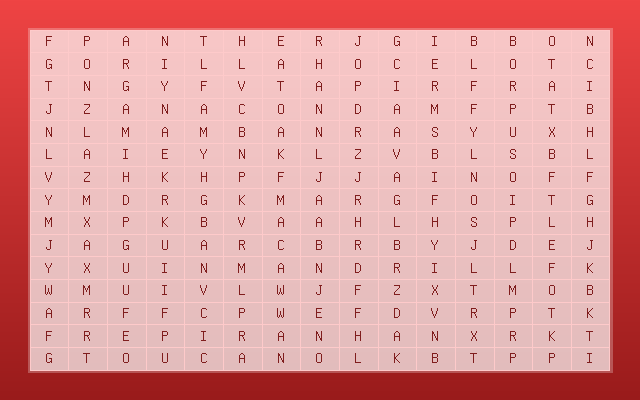
Even outside of these specific settings, many cycling enthusiasts enjoy this themed puzzle simply because it reinforces practical knowledge in an enjoyable, low-pressure format, treating the activity as a small mental warm-up before an actual ride.
The Engineering Behind Every Word
Part of what makes a bicycles and cycling word search so rewarding is the genuine mechanical ingenuity behind many of the words included. The derailleur, a relatively simple mechanism, allows a rider to shift between multiple gears, making it possible to tackle steep hills or achieve higher speeds on flat terrain with far less effort than a single-gear bicycle would require. Even the basic geometry of a bicycle frame reflects decades of engineering refinement, balancing stability, speed, and comfort for riders of every skill level.
These small but fascinating details give a bicycles and cycling word search extra educational depth beyond simple vocabulary recognition. A teacher or parent can use each word found in the puzzle as a jumping-off point for a quick fact about how a bicycle actually works, turning a few minutes of puzzle-solving into a genuinely interesting mechanical lesson.
- Baking and Desserts Word Search
- Colors Word Search
- Cartoon Characters Word Search
- Wedding Word Search
- Photography Word Search
- Circus and Carnival Word Search
- Magic Tricks and Illusions Word Search
- Jazz Music Word Search
Tips for Solving This Puzzle Quickly
Solvers looking to move through a bicycles and cycling word search efficiently can use a few simple strategies. First, scan the entire grid once for short, commonly recognized words like "seat" or "gear," since these tend to stand out immediately. Next, focus on the longest words in the list, such as "derailleur" or "handlebars," as their unusual letter combinations make them easier to isolate once the general shape is known. Working systematically through the grid, row by row and then column by column, helps ensure that diagonal or backwards words are not overlooked.
A Lifelong Skill Worth Celebrating
Riding a bicycle is often remembered as one of childhood's proudest early achievements, and the vocabulary surrounding this skill remains useful well into adulthood, whether someone continues casual weekend rides or takes up more serious road or mountain biking later in life. A bicycles and cycling word search celebrates this lifelong relevance, offering a puzzle that feels just as appropriate for a curious child as it does for an adult cyclist brushing up on more technical terminology before upgrading their gear.
A Puzzle That Builds Confidence Before the Ride
For a child preparing to learn how to ride a bicycle for the very first time, a bicycles and cycling word search can serve as a small confidence-building step before the actual practice begins. Becoming familiar with terms like "balance," "pedal," and "brake" ahead of time helps a young rider feel more prepared once a parent or instructor starts using this vocabulary during an actual lesson, reducing the number of entirely new concepts a child needs to absorb all at once while also trying to physically balance on two wheels.
Conclusion
A bicycles and cycling word search brings the freedom and simplicity of riding onto the page, turning practical cycling vocabulary into a genuinely engaging puzzle experience. By combining bicycle parts, safety equipment, and riding terminology within a flexible, scalable format, this puzzle appeals to first-time riders and dedicated cycling enthusiasts alike. Whether used in a physical education classroom, a community bike safety program, or simply as a relaxing personal pastime, a well-built bicycles and cycling word search proves that learning new vocabulary can be just as rewarding as the ride itself.