Circus and Carnival Word Search: A Playful Trip Under the Big Top
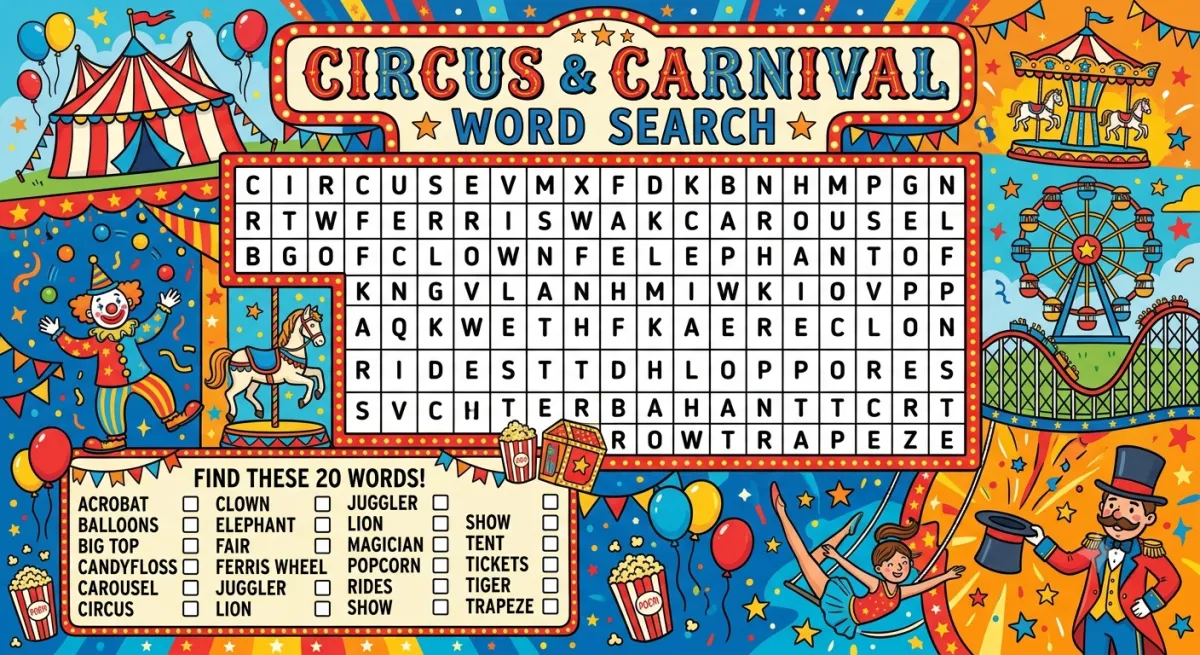
There is a certain magic that comes alive when the circus comes to town or a carnival lights up the night sky with spinning rides and colorful games. A circus and carnival word search takes this festive, larger-than-life world and turns it into an engaging vocabulary puzzle, hiding the language of performers, rides, and games inside a letter grid for solvers to discover one delightful word at a time.
What Is a Circus and Carnival Word Search?
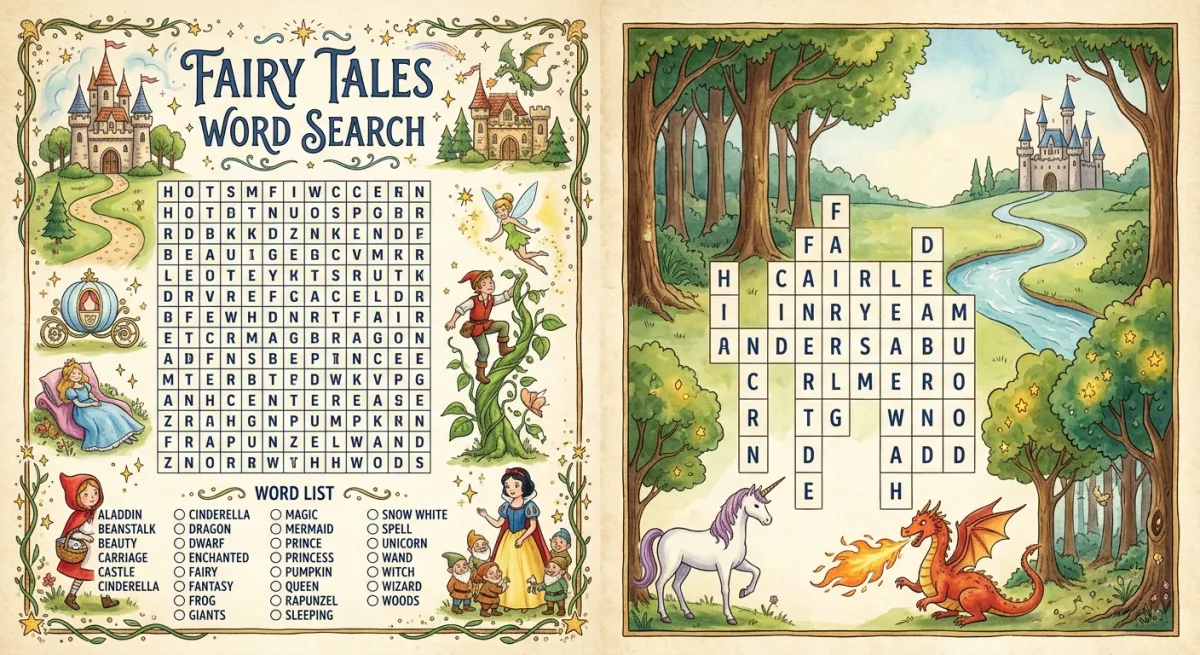
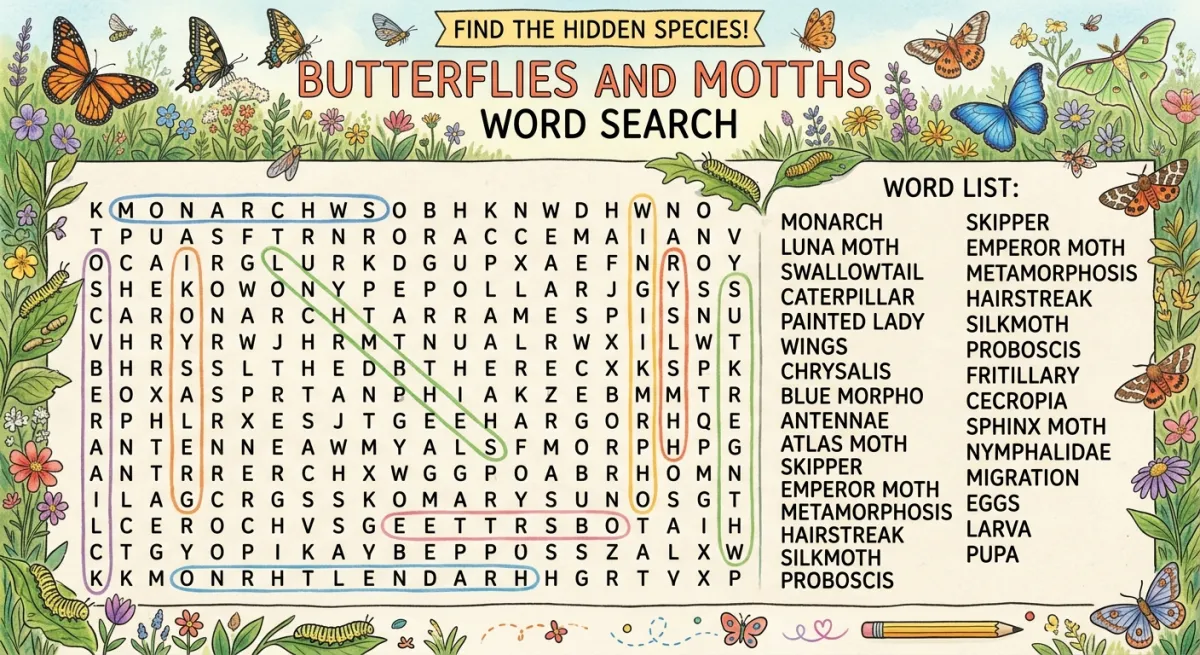
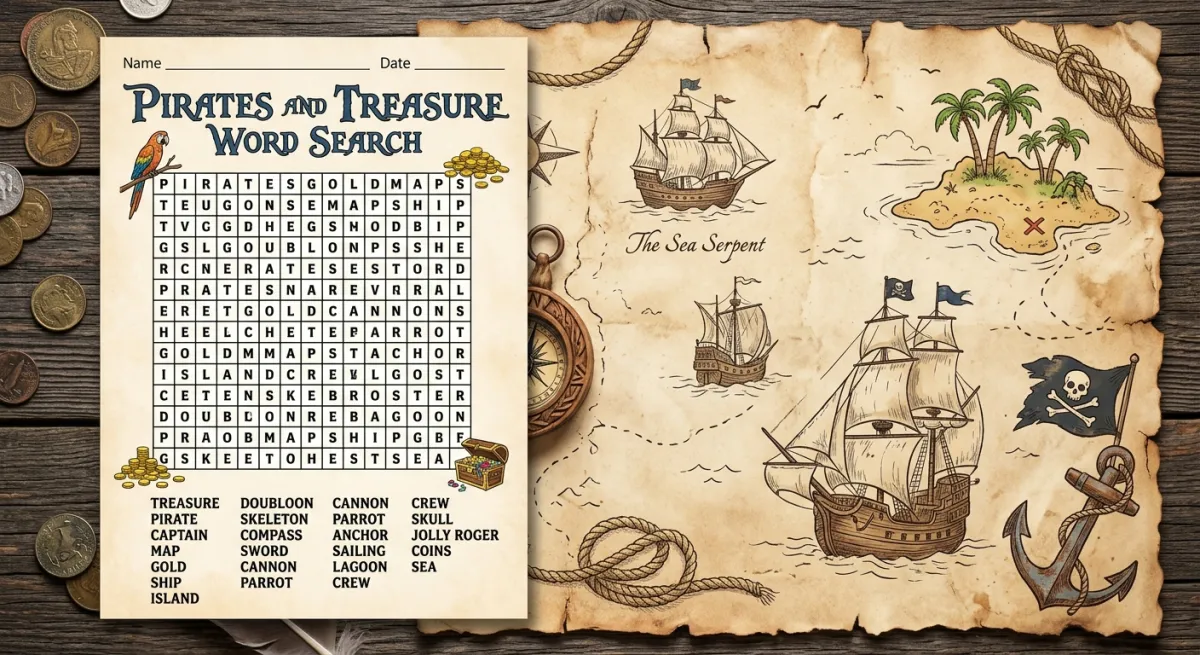
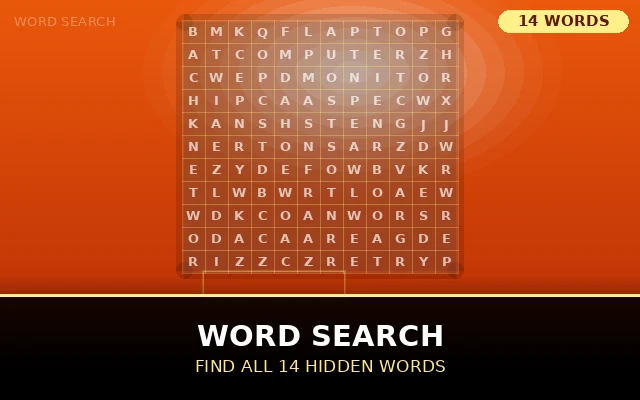
A circus and carnival word search is a grid-based It wordsearch puzzle in which words related to circus performances and carnival attractions are hidden horizontally, vertically, diagonally, or backwards among rows of letters. Solvers use a provided word list to scan the grid carefully, circling each hidden term as it is found. Rather than presenting this festive vocabulary as a plain list to memorize, this puzzle format wraps the learning experience inside an interactive challenge that keeps solvers engaged and entertained from the very first hidden word to the last.
What makes this theme especially appealing is the built-in sense of wonder and excitement already associated with circuses and carnivals. Children and adults alike often associate these events with rare, special outings, and that same excitement carries naturally into a circus and carnival word search, making vocabulary practice feel like part of the celebration rather than a separate academic task.
Why Festive Word Searches Work So Well
Word search puzzles have long been valued as effective tools for reinforcing vocabulary and spelling, and pairing that structure with circus and carnival vocabulary adds a powerful layer of motivation. Because these events already carry so much excitement and spectacle, the process of searching for a word like "trapeze" or "carousel" inside a dense grid feels less like schoolwork and more like an extension of the festive atmosphere itself.
- What Is a Circus and Carnival Word Search?
- Why Festive Word Searches Work So Well
- Building a Festive Word List
- Adjusting Difficulty for Every Age Group
- Where This Puzzle Shines
- The Rich History Behind the Big Top
- Tips for Solving This Puzzle Quickly
- Connecting Vocabulary to a Real Visit
- A Theme That Sparks the Imagination
- Conclusion
This activity also strengthens several cognitive skills at once. Locating a hidden word requires the solver to hold a target term in working memory while systematically scanning rows and columns, a task that builds sustained attention and visual pattern recognition. For children who might resist a standard vocabulary worksheet, a circus and carnival word search offers a playful, low-pressure way to practice exactly those same skills without the activity ever feeling like a chore.
There is also a genuine anticipation-building benefit tied to this theme. Introducing a circus and carnival word search in the days leading up to an actual visit to a fair or circus performance can help build excitement while also familiarizing children with vocabulary they will encounter once they arrive, from ride names to performer titles.
Building a Festive Word List
Creating an effective circus and carnival word search starts with a well-organized word list that spans several categories:
Circus Performers and Acts – Acrobat, trapeze, juggler, and ringmaster anchor most puzzles with widely recognized vocabulary tied to classic circus performances.
Carnival Rides and Attractions – Carousel, Ferris wheel, and roller coaster introduce vocabulary tied to the rides and attractions found at carnivals and fairs.
Games and Treats – Words like cotton candy, popcorn, and prize round out the list with vocabulary tied to the food and games that make carnivals so memorable.
Circus Animals and Spectacle – Terms such as lion tamer, tightrope, and spotlight add a touch of drama and excitement, reflecting the theatrical nature of a circus performance.
Balancing short, familiar words with a handful of longer or more elaborate ones, such as "ringmaster" or "tightrope," ensures that a circus and carnival word search remains engaging for a wide range of ages rather than feeling either too simple or too repetitive.
Adjusting Difficulty for Every Age Group
As with any word search, difficulty depends on grid size, total word count, and the directions words are allowed to appear in. A smaller 10x10 grid featuring a dozen straightforward horizontal words works well for young children or early readers just becoming comfortable with the puzzle format. As solvers grow more confident, expanding to a 15x15 or 20x20 grid, adding diagonal and backwards placements, and introducing longer or less familiar circus terms creates a genuinely satisfying challenge for older students and puzzle enthusiasts.
Many teachers prepare two versions of the same circus and carnival word search, a simplified beginner grid and a more advanced version, allowing the same festive theme to serve an entire classroom regardless of individual reading levels.
- Vehicle Names Word Search
-
Vegetable Names Word Search
-
Color Names Word Search
-
Flower Names Word Search
-
Fish Names Word Search
Where This Puzzle Shines
A circus and carnival word search fits naturally into a wide variety of settings. Elementary school teachers frequently use it as a classroom activity during a unit on community events or performing arts, giving students a fun way to build vocabulary while learning about this unique form of entertainment. Parents planning a circus-themed birthday party can print copies as table activities or party favors, giving young guests something engaging to do while waiting for games or performances to begin.
Local fairs and carnivals sometimes include this puzzle in family activity booths, giving children something quiet and engaging to do while parents wait in line for rides or food. Homeschool families can pair a circus and carnival word search with a short lesson on the history of traveling circuses, using the puzzle as a fun reinforcement activity rather than a standalone worksheet.
Even outside of structured settings, many adults enjoy circus-themed puzzles simply because they capture the same nostalgic excitement these events have carried since childhood, treating the activity much like a relaxing crossword or sudoku session, but with the added enjoyment of festive, whimsical vocabulary.
The Rich History Behind the Big Top
Part of what makes a circus and carnival word search so rewarding is the genuine history behind many of the words included. The modern circus traces its roots back centuries, evolving from traveling performers and equestrian shows into the elaborate, multi-act spectacles recognized around the world today. The carousel, meanwhile, originated from medieval jousting practice exercises before transforming into the beloved spinning ride families enjoy at fairs and carnivals today.
These small but fascinating details give a circus and carnival word search extra educational depth beyond simple vocabulary recognition. A teacher or parent can use each word found in the puzzle as a starting point for a quick fact about circus history or carnival traditions, turning a few minutes of puzzle-solving into a genuinely enriching conversation about these festive traditions.
- Camping and Outdoor Word Search
- Mental Health and Wellness Word Search
- Cooking Techniques Word Search
- Baking and Desserts Word Search
- Colors Word Search
- Cartoon Characters Word Search
- Wedding Word Search
- Photography Word Search
Tips for Solving This Puzzle Quickly
Solvers looking to move through a circus and carnival word search efficiently can use a few simple strategies. First, scan the entire grid once for short, commonly recognized words like "clown" or "prize," since these tend to stand out immediately. Next, focus on the longest words in the list, such as "ringmaster" or "tightrope," as their unusual letter combinations make them easier to isolate once the general shape is known. Working systematically through the grid, row by row and then column by column, helps ensure that diagonal or backwards words are not overlooked.
Connecting Vocabulary to a Real Visit
A circus and carnival word search becomes especially memorable when paired with an actual visit to a fair, carnival, or circus performance. Introducing the puzzle in the days beforehand builds anticipation, while working through it again afterward gives children a chance to revisit and reinforce vocabulary tied to rides, games, and performances they just experienced firsthand, turning a fun outing into a lasting vocabulary-building opportunity.
A Theme That Sparks the Imagination
Part of what makes a circus and carnival word search so consistently enjoyable is how effectively the theme sparks imaginative play well beyond the puzzle itself. After finishing the grid, children often enjoy acting out a favorite circus act or pretending to operate their own carnival game, extending the learning experience into imaginative play that reinforces the same vocabulary in an entirely different, equally engaging format.
Conclusion
A circus and carnival word search brings the excitement and wonder of the big top and the fairground onto the page, turning festive vocabulary into a genuinely engaging puzzle experience. By combining circus performers, carnival rides, and festive treats within a flexible, scalable format, this puzzle appeals to young children and lifelong fans of these traditions alike. Whether used as a classroom activity, a themed birthday party favor, or simply a fun way to build anticipation before an actual visit, a well-built circus and carnival word search proves that learning new vocabulary can be just as delightful as a day spent under the big top.