Mental Health and Wellness Word Search: Building Vocabulary for Wellbeing
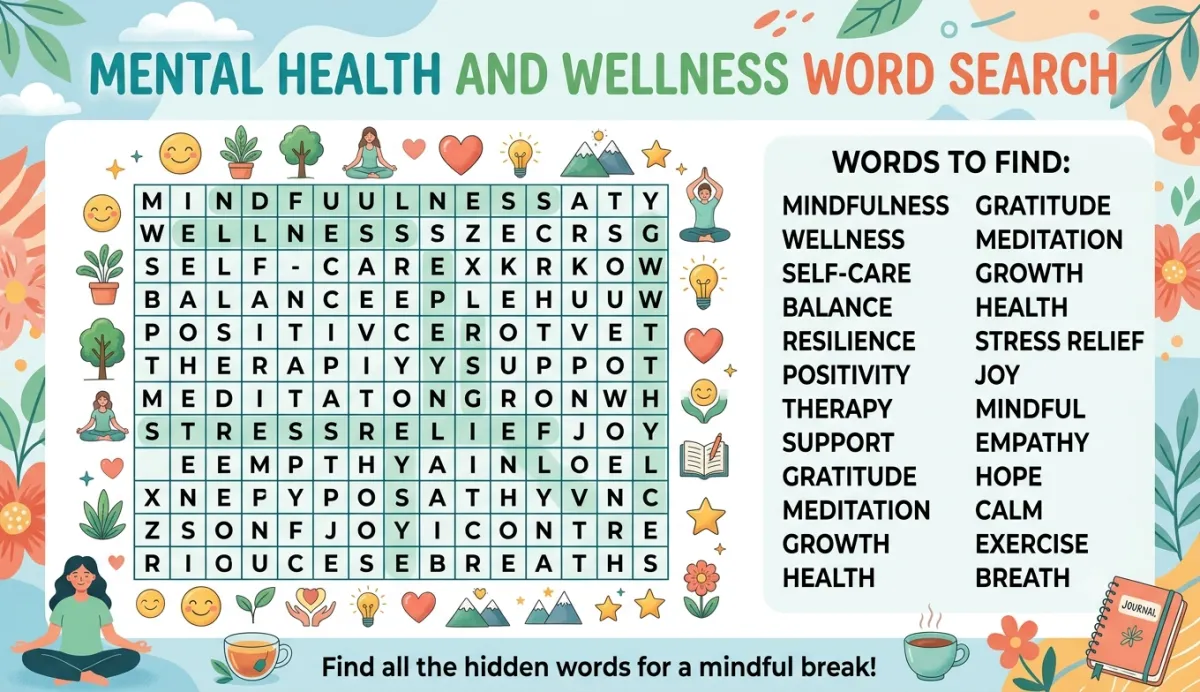
As mental health is such an important aspect of our lives, we may not be able to come up with our own mental health related vocabulary. This activity will help you to have some fun whilst learning some new mental well-being vocabulary. Can you spot any hidden words?
What Is a Mental Health and Wellness Word Search?
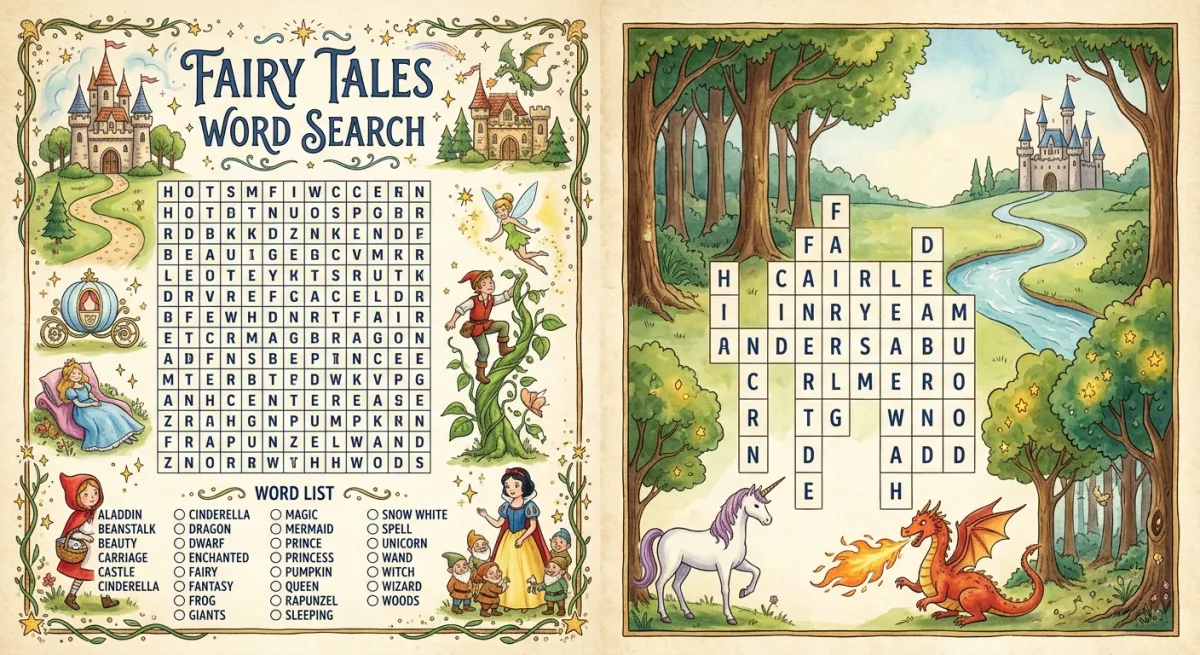
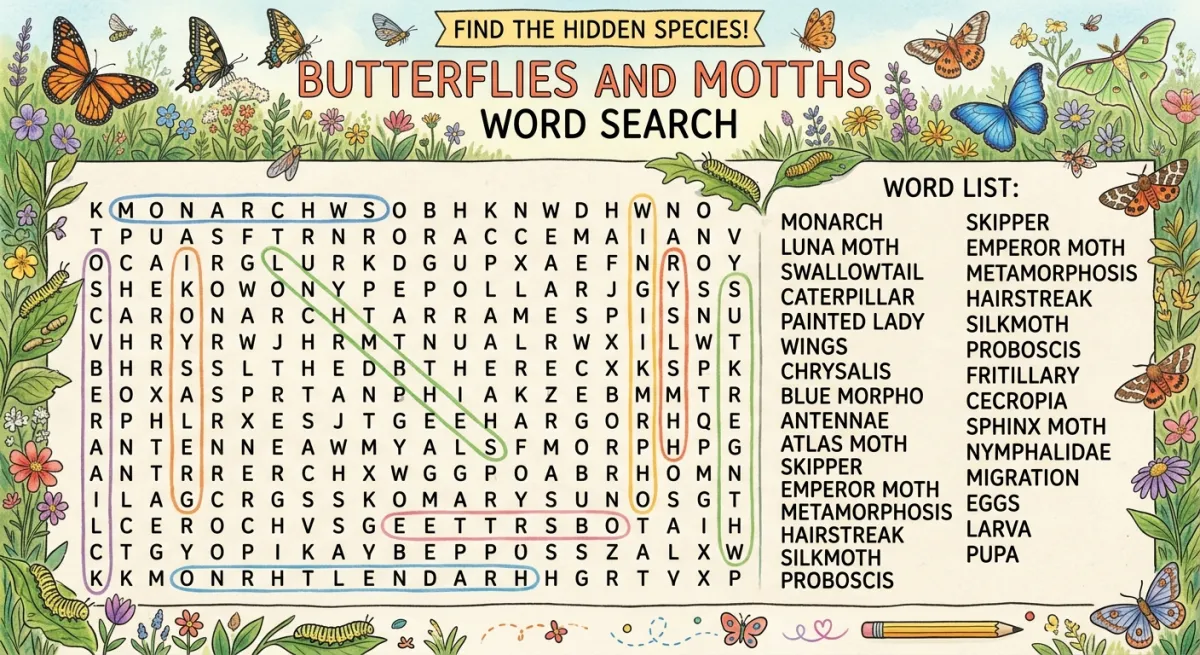
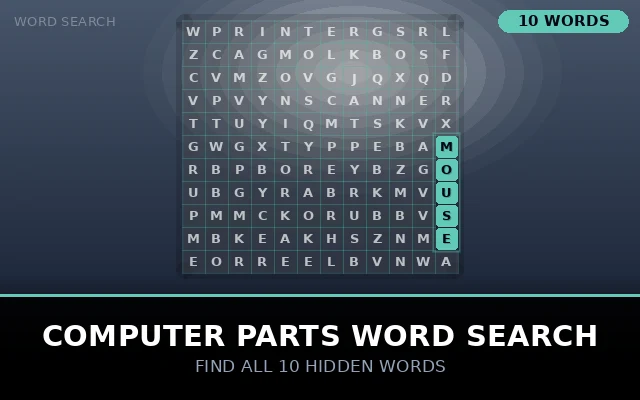
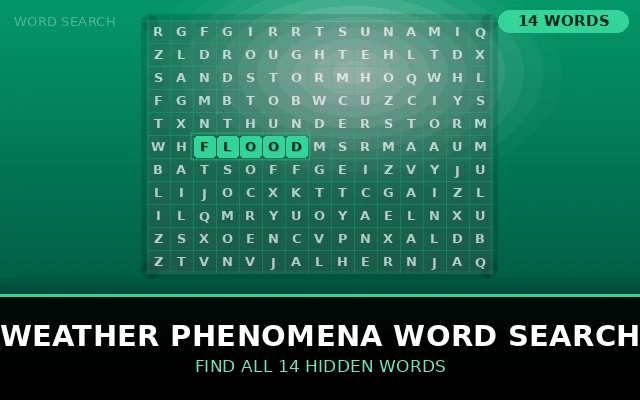
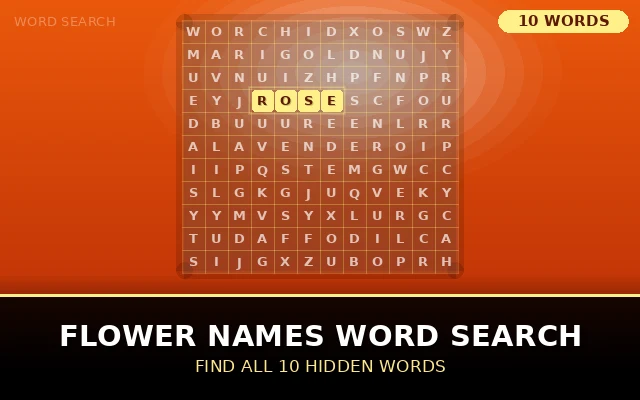
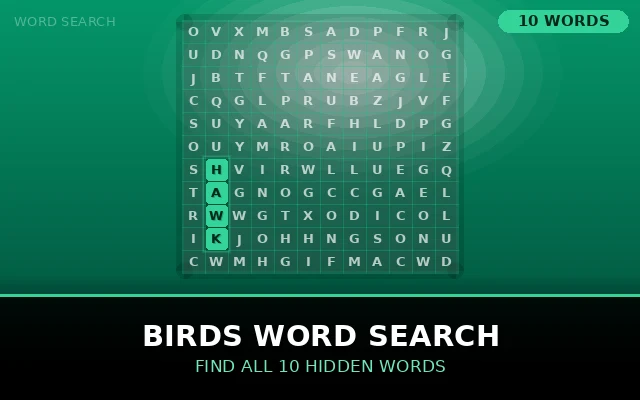
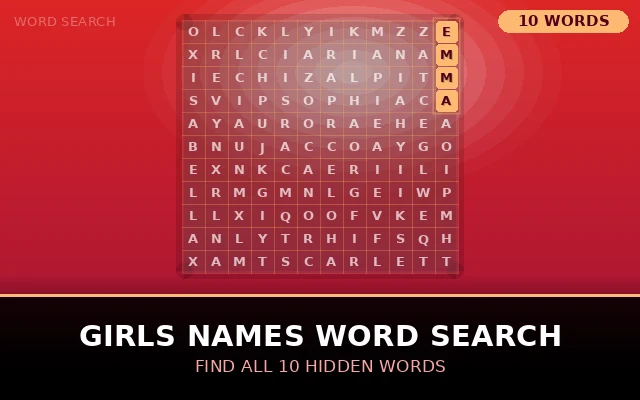
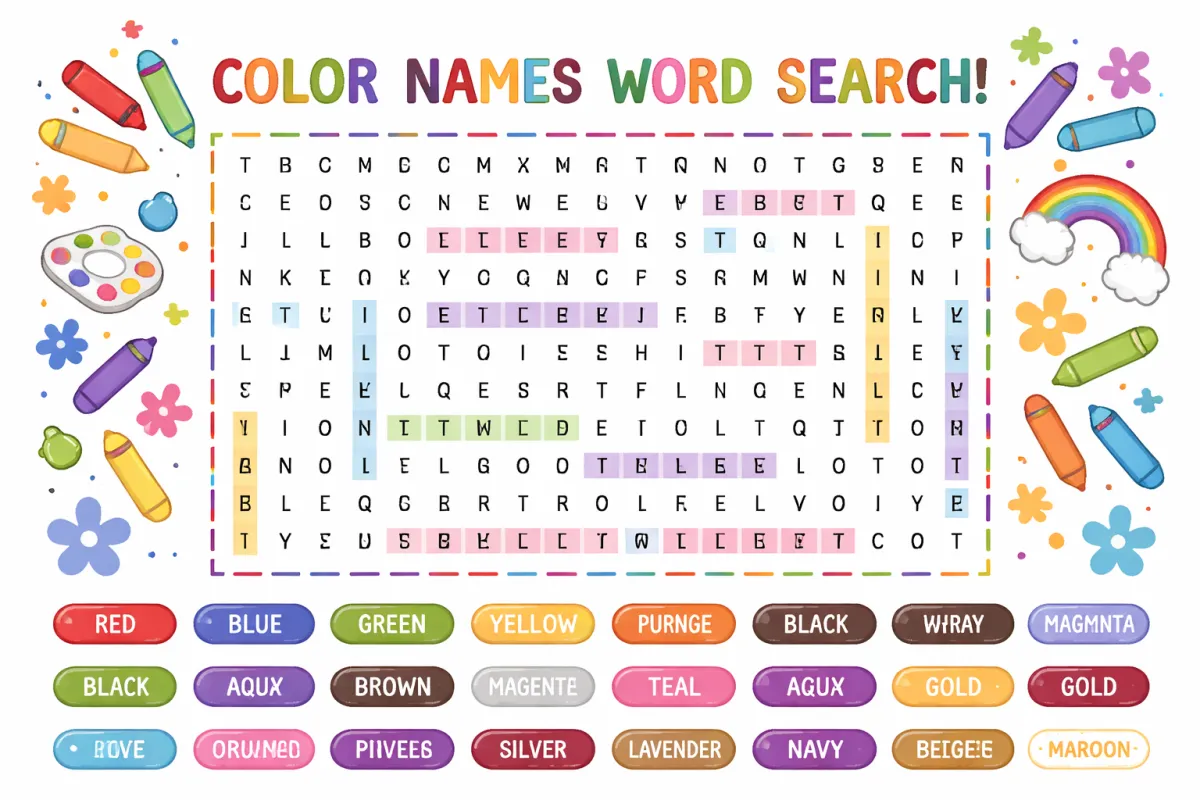
You are given a list of words to look for and have to carefully search through the grid to find and circle all of them. This puzzle activity is a great way to learn new vocabulary relating to wellness as it is a calm and relaxing activity.
This theme would be very helpful as it can help increase the conversation around mental health awareness.
Why This Themed Puzzle Works So Well
By using Wellness related words it can help to support development. Words such as resilience, mindfulness and self care have meaning behind them, by playing a game they can be introduced without pressure. The word search will help the learner to become familiar with the vocabulary.
- What Is a Mental Health and Wellness Word Search?
- Why This Themed Puzzle Works So Well
- Building a Thoughtful Word List
- Adjusting Difficulty for Every Age Group
- Where This Puzzle Shines
- Why Wellness Vocabulary Matters
- Supporting Wellness Across Different Communities
- Tips for Solving This Puzzle Quickly
- Conclusion
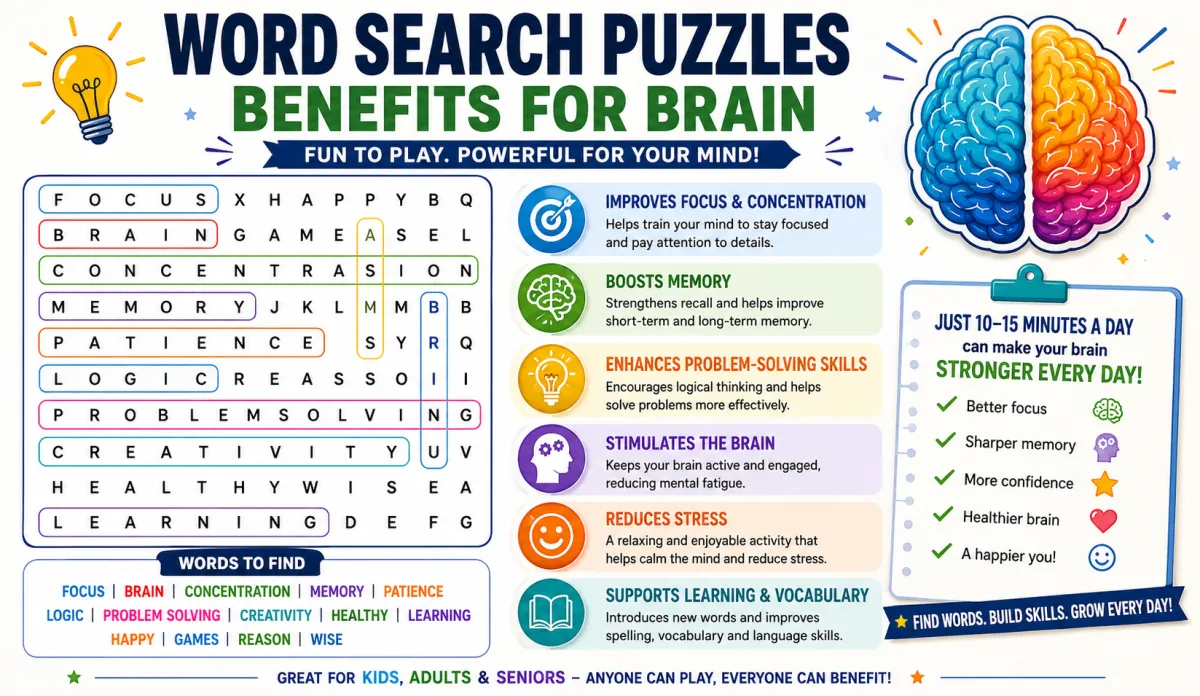
It will improve your working memory, concentration and visual recognition. By having to use your working memory to remember what word you are looking for within the word search. This will help improve your concentration and visual recognition. A mental health and wellness word search can help those teaching mental health within an easy way.
Words like therapy, support and balance can be included in the word search. This will make the words seem more natural as they are being used in a fun game. This will make people feel more positive about mental health words as they will feel they are part of everyday life.
- Yoga Terms Word Search
-
Diet and Nutrition Word Search
-
Mental Wellness Word Search
-
Healthy Daily Habits
-
Alternative Medicine Word Search
Building a Thoughtful Word List
To create a great mental health and wellness word search you will want to make sure that you create a good list of words to focus around.
Key wellness words. Balance, self-care, mindfulness and resilience are often words used in most puzzles to give the basis of this puzzle around general emotional wellbeing.
Words related to coping and support. Support, therapy and coping are also words you can include to help show these words for those who seek support.
Wellness words from positive psychology. These focus more on looking at our strengths so words such as gratitude, optimism and confidence can be included.
Relaxation and self care words. Journaling, breathing and taking time out can all be words to incorporate in your list.
By including some easy, every day words and some specialist wellness related words your word search will be relevant and engaging for all ages.
Adjusting Difficulty for Every Age Group
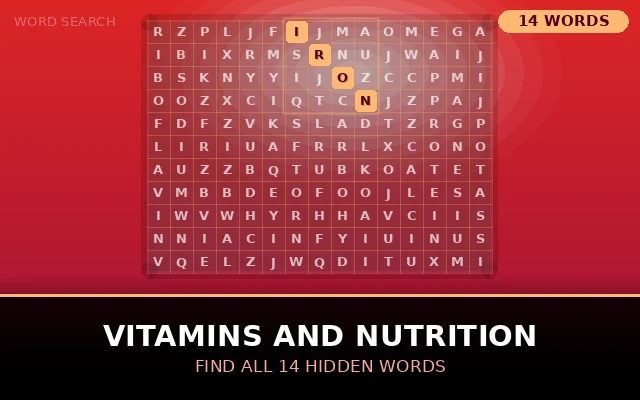
Like all word searches, the difficulty can be increased depending on the size of the grid, amount of words and the direction they can be placed. For younger students, or those who are new to this, a small grid with 12 simple and easy wellness words will work well. For more confident students, increasing the grid to 15x15 or 20x20 and adding diagonals and backwards words will make a great activity for older students, teens and adults. It also increases the complexity by adding more complex wellness words.
Many teachers and wellness facilitators will create two versions of the same mental health and wellness word search. One easy version and one more complex.
- Famous Scientists Word Search
-
Sports Injuries Word Search
-
Human Body Parts Word Search
- Yoga and Fitness Word Search
- Baking and Desserts Word Search
- Cooking Techniques Word Search
Where This Puzzle Shines
This is a simple and relaxed way for students to learn new terminology. Word searches can also be used in workplaces by wellness programs in newsletters or wellness challenges. This is a fun way for employees to learn about self care.
Many community health organisations will give out word searches relating to mental health and wellness along with other information. This helps to highlight the resources available in an easy to understand way. Word searches can be used by support groups and wellness workshops to help people relax and get into the session.

Many people enjoy doing wellness themed word searches as it can be a little reflective moment within their day. It can be a form of self care.
Why Wellness Vocabulary Matters
Knowing the terms for concepts such as resilience and self care can help individuals understand their own experiences better and express their needs. Words such as boundaries can help individuals understand a new concept which can be very beneficial to many people who may not have had any formal lessons on the topic.
Supporting Wellness Across Different Communities
This mental health and wellness word search can be easily adapted for different age groups. Whether you want to introduce young students to basic emotional words, or support your adult employees during a stressful time this activity can be adapted to suit. As the aim of the activity is to get everyone familiar with wellness words, it can be adapted to suit almost any audience.
Tips for Solving This Puzzle Quickly
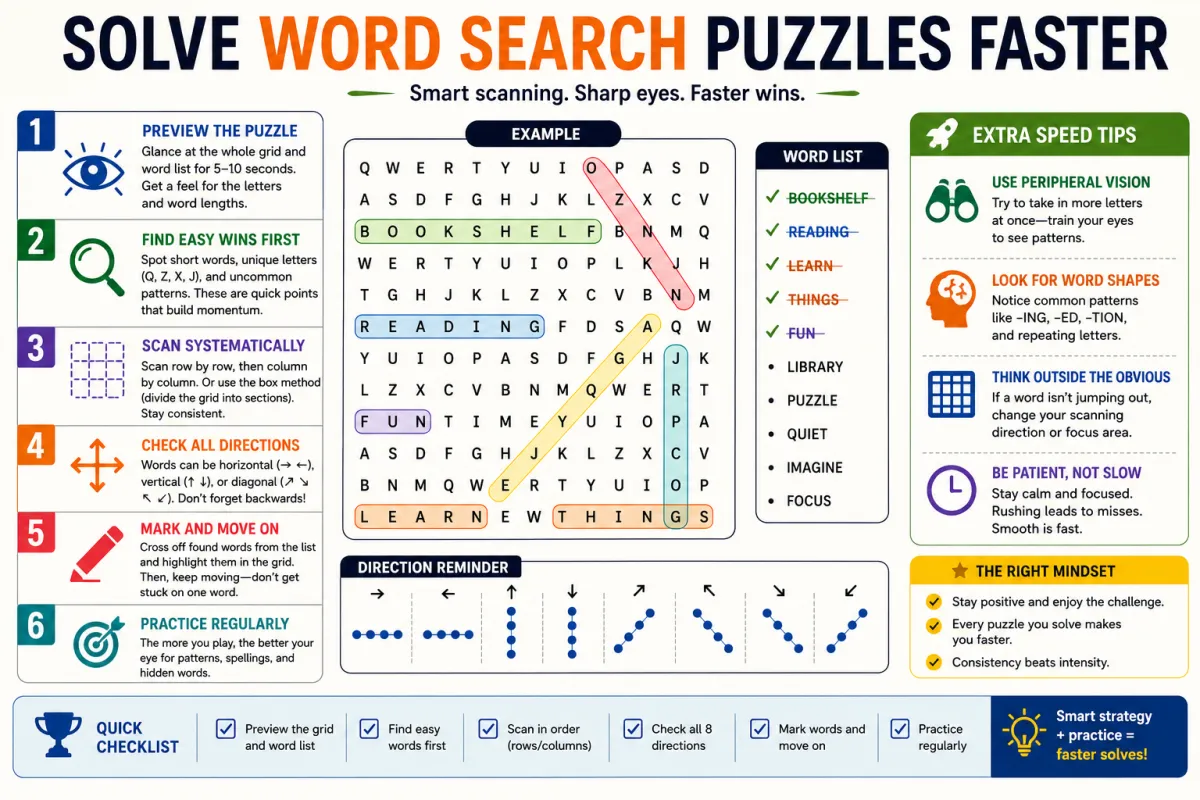
Start by scanning the whole grid to see if any short, common words stand out such as 'rest' and 'calm'. From there look for the longer words in the list such as 'mindfulness' and 'resilience'. These will have some unusual letter combinations which will make them easier to spot. Finally, go through the grid in an organised way by going through each row and then column. This will help you find any diagonal or backwards words.
Conclusion
A mental health and wellness word search will include positive and meaningful words related to mental health. This word search will include key terms related to wellness, coping and self-care. This puzzle is perfect for students, teachers and workplace wellness programs. A well-designed mental health and wellness word search can be used as part of an awareness campaign, in the classroom or just for fun. This puzzle will show that learning how to talk about your mental health can be very calming!