Arctic and Polar Animals Word Search: Exploring Life in the Frozen North
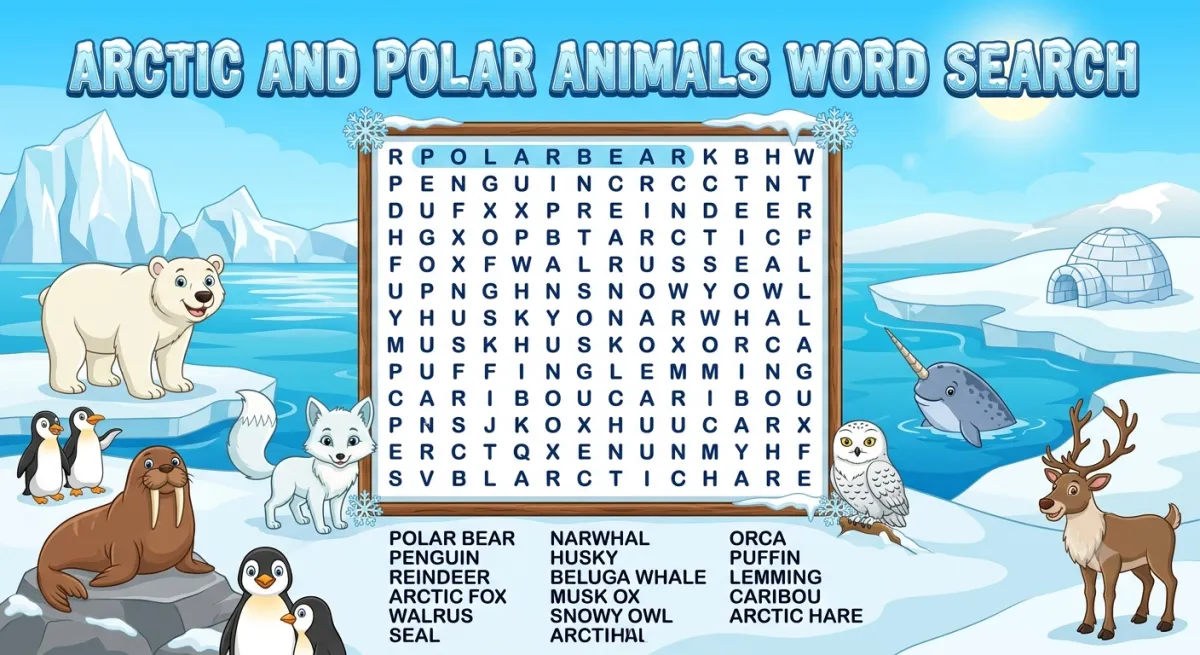
At the top and bottom of our planet lie two of the harshest, most breathtaking environments on Earth. Ice stretches for miles, temperatures plummet far below freezing, and yet, against all odds, a remarkable variety of animals not only survive but thrive in these frozen landscapes. An Arctic and polar animals word search takes this fascinating world of ice and endurance and turns it into an engaging vocabulary puzzle, letting solvers of every age explore polar wildlife one hidden word at a time.
What Is an Arctic and Polar Animals Word Search?
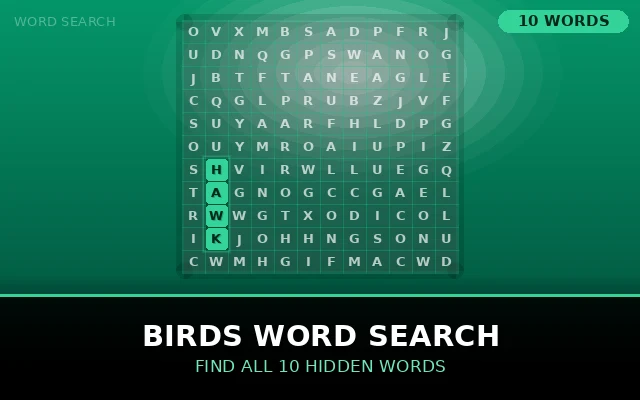
An Arctic and polar animals word search is a grid-based It wordsearch puzzle in which the names of animals adapted to survive in extremely cold climates are hidden horizontally, vertically, diagonally, or backwards among rows of letters. Solvers use a provided word list to scan the grid carefully, circling each animal name as it is found. This format turns what could be a simple vocabulary list into an interactive activity that rewards patience and careful observation, much like spotting wildlife across a vast, icy landscape.
What makes this theme so compelling is the sense of extreme contrast built into the subject itself. Polar regions appear stark and lifeless at first glance, yet they support penguins, polar bears, seals, and countless other remarkable species, and uncovering their names in a puzzle format mirrors the same quiet wonder that makes nature documentaries about these regions so consistently popular.
Why This Themed Puzzle Works So Well
Word search puzzles have long been valued as effective tools for reinforcing vocabulary and spelling, and pairing that structure with polar wildlife adds a genuine layer of scientific interest. Children and adults alike are often surprised to learn just how many different animals call the Arctic and Antarctic home, and the process of searching for a name like "narwhal" or "walrus" inside a dense grid builds vocabulary while sparking curiosity about how each creature survives such extreme conditions.
- What Is an Arctic and Polar Animals Word Search?
- Why This Themed Puzzle Works So Well
- Building a Strong Polar Word List
- Adjusting Grid Size and Difficulty
- Where This Puzzle Shines
- How Polar Animals Survive Extreme Cold
- Why Polar Regions Continue to Fascinate Us
- Tips for Solving This Puzzle Quickly
- Conclusion
This activity also strengthens several cognitive skills simultaneously. Locating a hidden word requires the solver to hold a target name in working memory while systematically scanning rows and columns, a task that builds sustained attention and concentration. For children who find it difficult to stay focused during traditional lessons, an Arctic and polar animals word search offers a structured yet enjoyable way to practice exactly those skills without the activity ever feeling like a chore.
There is also a natural educational bridge built into this theme. Many of the animal names found in an Arctic and polar animals word search, such as narwhal, ptarmigan, or Arctic fox, are unlikely to appear in a child's everyday vocabulary. Encountering these words in a puzzle format creates a memorable first exposure, often prompting curious questions about how these animals stay warm, find food, or survive months of darkness during polar winters, opening the door to a much broader conversation about climate, adaptation, and survival.
- Shakespeare Plays Word Search
-
Classic Novels Word Search
-
Famous Authors Word Search
-
Fairy Tale Characters Word Search
-
Poetry Terms Word Search
Building a Strong Polar Word List
Creating an effective Arctic and polar animals word search starts with a well-balanced word list that spans a range of difficulty levels:
Iconic Polar Mammals – Polar bear, walrus, seal, and Arctic fox anchor most puzzles with recognizable, engaging names familiar even to young children.

Antarctic Specialists – Penguin, leopard seal, and albatross introduce vocabulary tied specifically to the southern polar region, broadening the puzzle beyond Arctic wildlife alone.
Marine Giants – Narwhal, orca, and beluga bring in longer, more distinctive words that add a satisfying challenge for older solvers.
Smaller Cold-Climate Wildlife – Ptarmigan, snowy owl, and Arctic hare round out the list with approachable words suited to younger children or beginner puzzlers.
Balancing short, familiar words with a handful of longer, more unusual names, such as "narwhal" or "ptarmigan," ensures an Arctic and polar animals word search stays engaging for a wide range of ages rather than feeling either too simple or too frustrating.

Adjusting Grid Size and Difficulty
Difficulty in an Arctic and polar animals word search depends on grid size, total word count, and the directions words are allowed to appear in. A smaller 10x10 grid featuring a dozen straightforward horizontal words works well for young children or early readers just becoming comfortable with the puzzle format. As solvers grow more confident, moving to a 15x15 or larger grid, adding diagonal and backwards placements, and introducing longer or less familiar animal names creates a genuinely challenging experience for older students and adult puzzle fans.
Many educators create two versions of the same Arctic and polar animals word search, a simplified beginner grid and a more advanced version, allowing the same theme to serve an entire classroom regardless of individual reading levels.
Where This Puzzle Shines
An Arctic and polar animals word search fits naturally into a wide variety of settings. Elementary school teachers frequently use it when introducing a unit on biomes, ecosystems, or animal adaptation, giving students a fun way to build vocabulary before diving into more detailed lessons on how polar creatures survive extreme cold and months of continuous darkness or daylight. Zoos and aquariums with polar exhibits often include a version of this puzzle in educational handouts, reinforcing what visitors just learned during a guided tour of penguin or polar bear habitats.
Parents planning a winter or wildlife-themed activity day can print copies as table activities, giving children something engaging to do while learning about a habitat very different from their own backyard. Homeschool families studying geography or biology can pair an Arctic and polar animals word search with a short lesson on world biomes, using the puzzle as a fun reinforcement activity rather than a standalone worksheet.

Even outside formal educational settings, many adults enjoy polar-themed puzzles simply for the sense of quiet wonder they evoke, treating the activity much like a relaxing crossword or sudoku session, but with the added appeal of learning about some of the planet's most resilient and least familiar creatures.
How Polar Animals Survive Extreme Cold
Part of what makes this puzzle theme so rewarding is the genuine science behind every name on the list. Polar bears rely on a thick layer of blubber combined with dense, water-repellent fur to stay warm in temperatures that would be fatal to most other mammals. Emperor penguins huddle together in massive groups, taking turns rotating toward the center of the huddle to share warmth during the harshest Antarctic winters. Narwhals, sometimes called the unicorns of the sea, use their long, spiraled tusks, which are actually an elongated tooth, for purposes scientists are still studying today.
These small but fascinating details give an Arctic and polar animals word search extra educational depth beyond simple name recognition. A teacher or parent can use each word found in the puzzle as a jumping-off point for a quick fact about survival adaptation, turning a few minutes of puzzle-solving into a genuine science lesson. This layered approach is part of why polar wildlife content continues to resonate so strongly with students studying biology, ecology, or general animal science, since every name on the list connects to a real, observable survival strategy shaped by thousands of years of evolution.
- Basketball Word Search
- Pizza and Italian food word search
- Volcanoes and Natural Disasters Word Search
- Halloween Word Search
- Classic Rock Bands Word Search
Why Polar Regions Continue to Fascinate Us
Part of what makes the Arctic and Antarctic so endlessly compelling is how different they are from nearly every other environment on Earth, and how little most people actually experience these regions firsthand. Because so few people ever visit the poles in person, much of what we know comes from documentaries, photographs, and educational content like this puzzle, which makes an Arctic and polar animals word search a genuinely valuable entry point into a world that otherwise feels almost entirely out of reach for the average student or curious learner.
Tips for Solving This Puzzle Quickly
Solvers looking to move through an Arctic and polar animals word search efficiently can use a few simple strategies. First, scan the entire grid once for short, easily recognized words like "seal" or "owl," since these tend to stand out immediately. Next, target the longest names on the list, such as "narwhal" or "ptarmigan," as their unusual letter patterns make them easier to isolate once their general shape is known. Reading the grid systematically, row by row and then column by column, helps catch any words hidden diagonally or backwards that a quick glance might miss.
Conclusion
An Arctic and polar animals word search captures the quiet resilience of two of the planet's most extreme environments and turns it into a genuinely engaging vocabulary-building activity. By combining iconic polar mammals, Antarctic specialists, and marine giants within a flexible, scalable puzzle format, this activity teaches spelling, strengthens focus, and sparks curiosity about how life adapts to extreme cold. Whether used in a classroom lesson on ecosystems, a winter-themed activity day, or simply as a relaxing personal pastime, a well-designed Arctic and polar animals word search proves that even the coldest corners of the world are full of vocabulary worth discovering.