Pets Word Search
Click and drag to select words
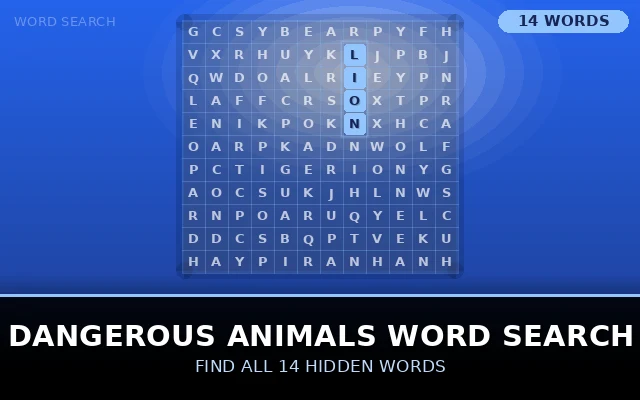
Sharks, scorpions, hippos and more! Play our Dangerous Animals word search to le...
Play Now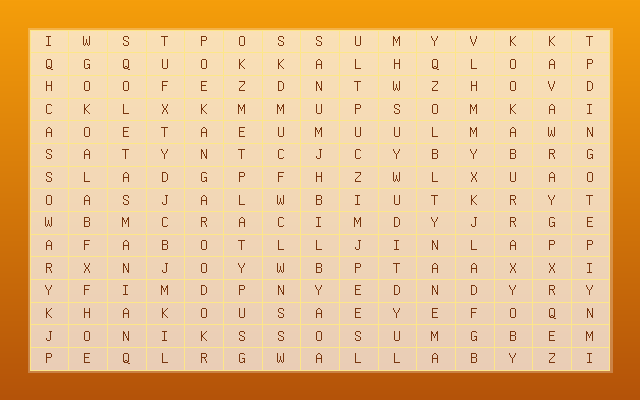
Kangaroos, koalas, wombats and more. Play our Australian Animals word search and...
Play Now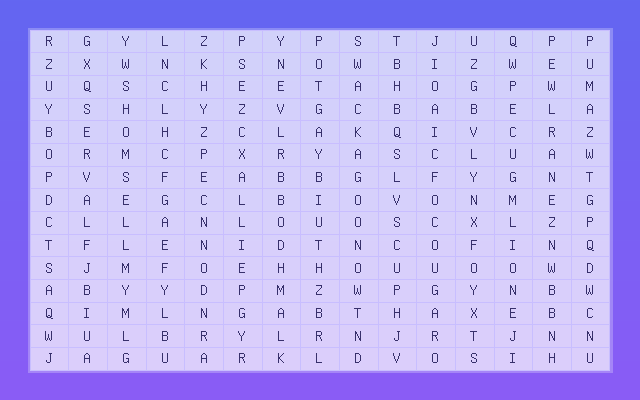
Lions, tigers, leopards and cheetahs hidden in the grid! Play our Big Cats word ...
Play NowFind hidden pet names in this fun Pets word search puzzle! Perfect for animal lovers and kids learning about common household pets.
Sharks, scorpions, hippos and more! Play our Dangerous Animals word search to learn about the world deadliest creatures. Free online no sign-up needed!
Play Now
Kangaroos, koalas, wombats and more. Play our Australian Animals word search and explore the unique wildlife of Australia. Free puzzle, no sign-up needed.
Play Now
Lions, tigers, leopards and cheetahs hidden in the grid! Play our Big Cats word search for a roaring good time. Free online puzzle no registration needed!
Play NowPets Word Search Guides & Articles
The Complete Pets Word Search Guide for Animal Lovers
A wagging tail. A quiet purr. A fish tank glowing softly in the corner of a living room. Pets occupy a uniquely personal corner of the animal kingdom, one built not on wildness or danger but on companionship. A pets word search takes that warm, familiar subject and turns it into a simple grid based challenge, hiding the names of common household animals among rows of scattered letters for solvers of every age to track down.
Unlike puzzles built around exotic wildlife or dangerous predators, this particular theme draws its power from familiarity. Almost everyone has a personal connection to at least one pet, whether it is a childhood dog, a family cat, or a beloved goldfish, and that emotional connection gives the puzzle an unusually broad and instant appeal.
The Everyday Animals Behind the Puzzle
At its core, a pets word search focuses on animals that people commonly welcome into their homes. Dogs and cats naturally dominate most word lists, given their status as the two most popular companion animals worldwide, but a well rounded puzzle usually branches out considerably beyond these two categories. Rabbits, hamsters, guinea pigs, and gerbils represent the small mammal category frequently kept by families with limited space. Birds such as parakeets, canaries, and cockatiels bring color and song into the mix. Fish, whether goldfish or tropical species kept in a home aquarium, round out the aquatic side of pet ownership, while reptile enthusiasts might expect to see turtles, geckos, or even snakes included on more comprehensive lists.
Some puzzle creators choose to specialize further, building an entire grid around dog breeds alone, or focusing exclusively on small caged pets suitable for apartment living. This flexibility is part of what makes the pets category so durable as a puzzle theme, since it can be narrowed or broadened depending on the intended audience without ever losing its core appeal.
Vocabulary Commonly Found Within the Grid
A standard pets word search draws from a fairly predictable but satisfying pool of vocabulary. Expect to see words like Dog, Cat, Rabbit, Hamster, Fish, Bird, Turtle, Guinea Pig, Parrot, and Puppy scattered throughout most beginner level grids. More advanced versions aimed at older children or adult solvers might introduce related vocabulary beyond just the animals themselves, including terms like Leash, Collar, Aquarium, Kennel, Groomer, and Veterinarian, which broaden the theme into the wider world of pet care and ownership.
Breed specific puzzles push the vocabulary even further, introducing names like Labrador, Poodle, Siamese, Persian, and Beagle. These breed names tend to be longer and less predictable in spelling, which makes them a satisfying challenge for solvers who have already mastered the more basic pet vocabulary found in entry level puzzles.
Why the Pets Theme Works So Well for Young Children
Few puzzle categories connect with young children quite as naturally as pets. Many kids either already have a pet at home or dream of getting one, and this personal investment translates directly into engagement with the puzzle itself. A child searching for the word Puppy or Kitten is not just completing a random vocabulary exercise, they are thinking about an animal they genuinely love or hope to have someday.
This emotional hook makes pets themed puzzles particularly effective as early literacy tools. Preschool and kindergarten teachers frequently use simplified versions featuring large print, generous spacing, and short three or four letter words like Cat, Dog, and Fish, giving beginning readers an accessible entry point into the word search format before graduating to more complex themes and longer vocabulary lists.
Responsible Pet Ownership as an Educational Extension
Beyond simple vocabulary building, many educators use a pets word search as a springboard into broader lessons about animal care and responsibility. Completing a puzzle that includes words like Feed, Walk, Groom, and Shelter naturally opens the door to conversations about what it actually takes to care for a living creature. This makes the puzzle format useful not just for reading and spelling practice, but also for character education focused on empathy, responsibility, and the commitment involved in pet ownership.
Veterinary offices and animal shelters have also picked up on this connection, occasionally offering printed pets word search activities in waiting rooms or as part of adoption day handouts. The puzzle serves as a light, family friendly activity while subtly reinforcing themes of animal welfare that align with the organization's broader mission.
Techniques for Solving Efficiently
Solving a pets word search quickly comes down to recognizing a few patterns common to this particular vocabulary set. Many pet related words are relatively short, which means they can hide almost anywhere in the grid and are easy to overlook if a solver scans too quickly. Slowing down and working through the grid in organized rows or columns, rather than jumping around at random, tends to produce faster and more reliable results.
Breed names and care related vocabulary, which tend to run longer, are often easier to spot precisely because their length limits the number of possible placements within the grid. Searching for these longer words first, then circling back for shorter, trickier entries like Dog or Cat, tends to be a more efficient overall strategy than working straight down an alphabetized list.
As with most word search puzzles, checking every direction around a promising starting letter remains essential. Diagonal placements are especially common in pets themed grids designed for older solvers, since puzzle creators often use diagonal orientation to compensate for the relatively short length of many pet related words.
Designing a Pets Word Search From Scratch
Building a custom version of this puzzle starts with deciding on a focus. A general pets puzzle casts a wide net across multiple animal categories, while a specialized version might zero in on dog breeds, small mammals, or aquarium fish exclusively. Matching the word list to the intended audience matters considerably here, since a puzzle meant for a five year old should look very different from one designed for a teenager or adult pet enthusiast.
Grid dimensions should scale accordingly. A compact grid with ten to twelve words suits beginner solvers nicely, while a denser grid packed with fifteen to twenty entries, including some longer breed names, creates a more substantial challenge for experienced puzzlers. Choosing whether to allow backwards or diagonal placement also affects difficulty significantly, with straightforward horizontal and vertical only grids remaining the friendliest option for very young children.
A Universally Loved Puzzle Theme
Few subjects in the It wordsearch world manage to feel both educational and deeply personal at the same time quite like pets do. Whether solved by a child dreaming about their first puppy, a teenager researching dog breeds before adopting a rescue, or an adult simply enjoying a nostalgic nod to childhood companions, a pets word search taps into something warm and universally relatable. It asks very little of the solver beyond patience and a sharp eye, yet it consistently delivers the particular satisfaction that comes from finding something familiar hidden in plain sight.
From classroom worksheets to veterinary waiting rooms to puzzle books passed between generations, this theme continues to prove that some of the best word search puzzles are built not around exotic wonder, but around the animals we already know and love best.
Using Pets Puzzles for Family Bonding Time
Beyond the classroom, many families use a pets word search as a shared activity during car trips, waiting room visits, or quiet evenings at home. Because the vocabulary is accessible to nearly every age group, parents and children can often work through the same puzzle together, with older siblings helping younger ones spot trickier words. This shared problem solving builds a sense of teamwork while reinforcing the same literacy skills that make the puzzle valuable in a classroom setting.
Pet adoption events and community animal shelters sometimes lean into this family friendly quality by offering pets word search sheets as part of larger outreach efforts, giving children something engaging to do while parents fill out adoption paperwork or tour shelter facilities. In these settings, the puzzle becomes more than entertainment, quietly reinforcing a family's growing connection to the idea of welcoming a new animal into their home.
Related Puzzles:
- Pets Word Search
-
Aquarium Fish Word Search
-
Australian Animals Word Search
-
Arctic Animals Word Search
-
Jungle Animals Word Search
-
Amphibians Word Search
-
Bears Word Search
-
Big Cats Word Search
-
Reptiles Word Search
-
Sea Life Word Search
-
Elephants Word Search
-
Types of Snakes Word Search
-
Wild Cats Word Search
-
Dinosaurs Word Search
-
Insects Word Search
-
Dangerous Animals Word Search
-
Common Pets Word Search
-
Farm Animals Word Search
-
Type of Dogs Word Search
-
Birds Word Search
-
Animals Word Search
-
Ocean Creatures
Adapting the Puzzle for Different Learning Levels
One of the quiet strengths of the pets theme is how easily it scales across reading levels without losing its core identity. A version intended for early readers might strip the word list down to five or six simple three letter words, paired with a generously sized grid that leaves plenty of visual breathing room between letters. A version intended for a strong reader in upper elementary school can introduce compound concepts like Goldfish or Guinea Pig, testing not just recognition but the ability to track a longer sequence of letters without losing focus partway through.
For adult solvers, particularly those who enjoy puzzle books as a relaxing evening ritual, a pets word search can be dressed up considerably. Incorporating specific breed names, veterinary terminology, or even historical facts about domestication timelines adds intellectual depth to what might otherwise be dismissed as a purely childish format. This adaptability is precisely why the pets theme remains a permanent fixture in nearly every word search collection, regardless of whether that collection targets toddlers, teenagers, or retirees looking for a gentle mental exercise. Few other puzzle themes manage to blend education, nostalgia, and genuine emotional warmth quite as effortlessly as one built around the pets we know and love.
CONCLUSION
Jump into our free Pets Word Search right now and see how fast you can find all 14 hidden words! It's fun, it's educational, and it's completely free. Share it with your friends, classmates, or teacher or challenge a family member to beat your time. Happy searching, and may the best animal lover win!