Airport and Flying Terms Word Search: A Fun Way to Learn Aviation Vocabulary

Flying has become an integral part of our modern world and most people will have some experience of either flying regularly for business, occasionally for holidays or just being a curious child who loves watching planes take off. This word search can be used to learn some aviation related terminology in a fun way. It uses the universally relatable topic of airports and flying to create an engaging puzzle. It has been used in many educational contexts such as teaching children about transport or by travel bloggers looking for content to share. Below we have covered all the useful information you need to know about this type of puzzle.
Why Aviation Makes for an Engaging Puzzle Topic
There is a lot of unique terminology associated with flying that most people will be familiar with but will not really think about. Many people will not actually know what these words mean or their spelling until they are written out. This means an airport and flying themed word search is a great way to add some education into something familiar. It will reward any prior knowledge and give a little extra information on how airports and planes work.
Puzzles:
Breaking Down the Vocabulary: What You'll Find in the Grid
A good word search will include a variety of vocabulary to ensure there are some easier words to find.

- Why Aviation Makes for an Engaging Puzzle Topic
- Puzzles:
- Breaking Down the Vocabulary: What You'll Find in the Grid
- Designing Difficulty Levels for Different Audiences
- Who Uses Airport and Flying Terms Word Search Puzzles
- Tips for Solving Aviation-Themed Word Search Puzzles Quickly
- Aviation Trivia Worth Knowing
- Bringing the Puzzle Beyond the Classroom
- Conclusion
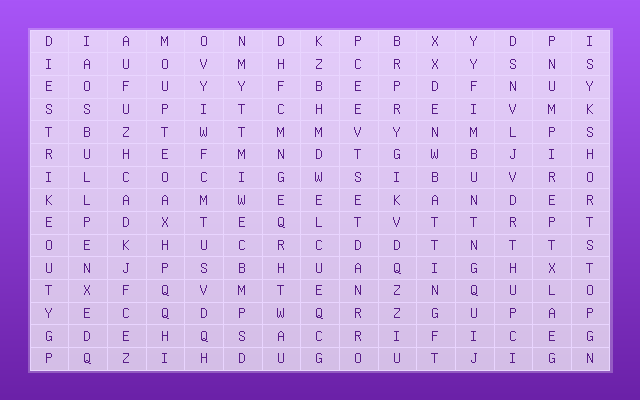
The first set of vocabulary will be around the airport. This will include words such as check in, boarding pass, security, terminal, gate, luggage, customs and departure. These words will be known by anyone who has travelled no matter what age.
A second set of vocabulary could be about the aircraft itself. This will include words like cockpit, runway, taxiing, take off, landing, altitude and turbulence.
A third set of vocabulary could be more specialised. This will include words like pilot, co-pilot, flight attendant, air traffic control, radar and fuselage. This would be a good choice if you were using this with older students or those who have an interest in aviation.

Designing Difficulty Levels for Different Audiences
To cater for younger children or beginners, the words used will typically be short and commonly known. The crosswords will also be smaller, around 10x10. The words will be placed in straight lines only (horizontal and vertical).
Middle school students or intermediate level learners may be challenged with crosswords that have longer words such as runway, turbulence, boarding and terminal. The crossword will be larger, around 15x15 and the words will be placed diagonally.
Adults, aviation enthusiasts or advanced ESL classes will be challenged with more technical terminology such as fuselage, air traffic control and altimeter. The crosswords will be larger, around 20x20 and the words will be placed backwards.

Who Uses Airport and Flying Terms Word Search Puzzles
This puzzle can be used in a variety of ways:
Primary school teachers often use simplified versions of this puzzle as part of a transport based topic. This can be combined with colouring sheets or a basic lesson on how planes fly. Airlines and airports sometimes give out paper versions of this puzzle to children on their flights. This can help keep children entertained whilst also being a quiet activity. More advanced versions of this puzzle can be enjoyed by aviation enthusiasts and student pilots.
Tips for Solving Aviation-Themed Word Search Puzzles Quickly
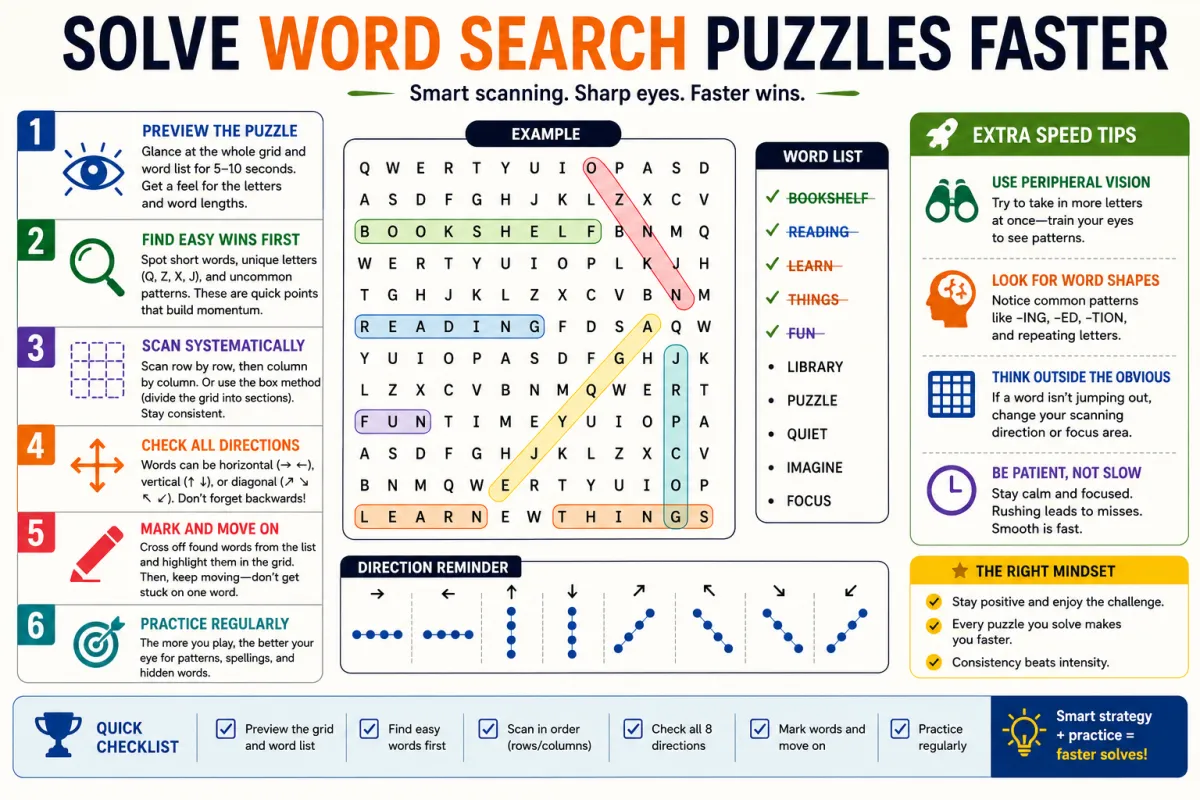
There are some techniques that can help you find words quickly in the airport and flying word search. To start off try looking for compound words first. These are often easier to spot as they're longer words such as ‘boarding pass’ and ‘air traffic control’. Look out for words with similar letter patterns. Many of the words related to aviation will have similar sounds throughout such as the ‘-ing’ ending on words like taxiing, boarding and landing. Try working your way through each quadrant of the grid. This will give you a better chance of finding the words. If you’re struggling with a word try looking for the most unusual set of letters in the word. Often these are easier to spot.
Aviation Trivia Worth Knowing
This is why flying above storm clouds can feel very smooth. The busiest airport in the world for passenger numbers has been for many years due to it being a main hub connecting many domestic flights around a large country. Turbulence can be scary for passengers but is rarely a danger to modern planes as they are built to handle much more stress than you would experience. The black boxes on planes are not actually black. They are brightly coloured orange to make them easier to find.
- World Religions Word Search
- Roblox Word Search
- Esports Terms Word Search
- Shakespeare Word Search
- Gardening Word Search
Bringing the Puzzle Beyond the Classroom
Whilst primarily used within an education setting, these word search puzzles can be used within various other situations. They are often provided at travel themed birthday parties so children who are interested in planes can play them on their activity table. They are also sometimes featured in airline in flight magazines to keep passengers entertained. Travel blogs will sometimes provide downloadable versions as extra content for those planning their first international trip. Simplified versions have also been used within training sessions for staff working in the aviation or hospitality industries to help break the ice.
Conclusion
This airport and flying themed word search is a great way to turn some very practical vocabulary into a fun learning activity. The theme combines everyday vocabulary with more specific aviation vocabulary, and will appeal to a wide range of learners. This word search can be used to help students get ready for their next trip, as part of a transport topic in class or just to help pass the time during a layover. It is a useful activity which will really help students learn vocabulary relating to one of the most interesting parts of modern travel.