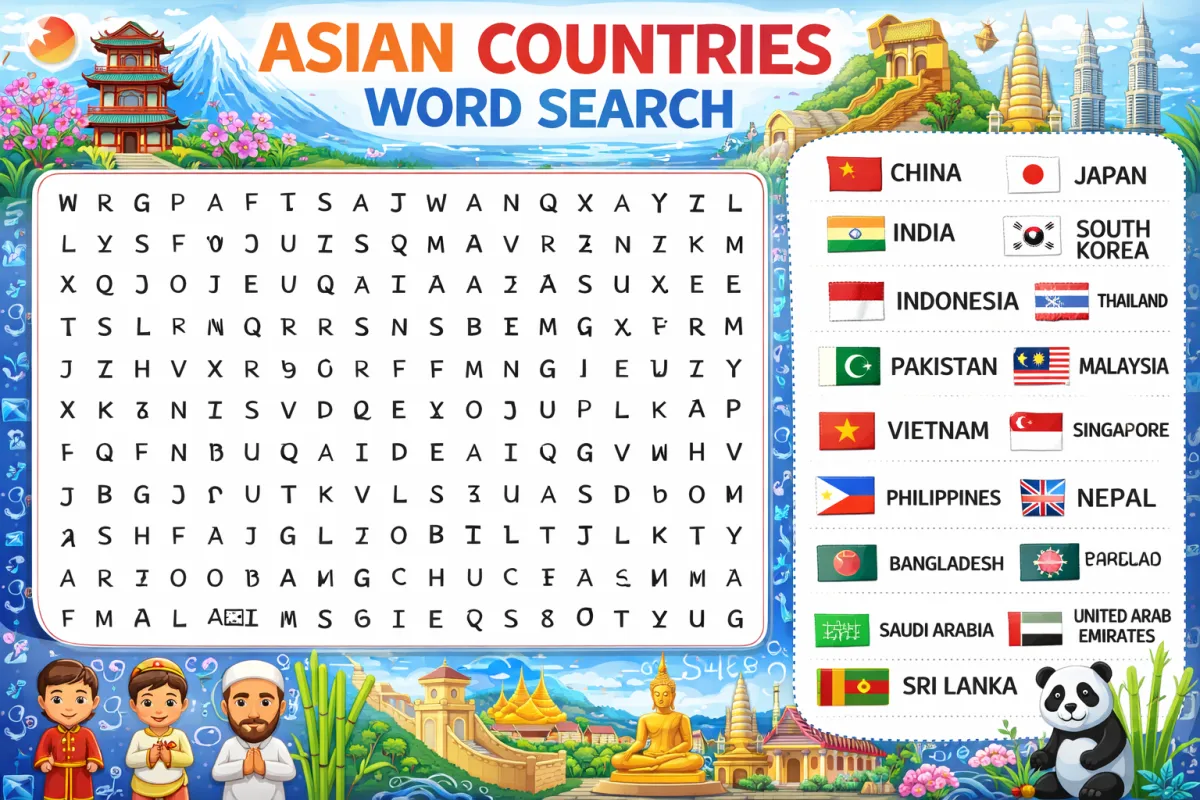
Renaissance Art Word Search: Exploring a Golden Age of Creativity
Few periods in history produced as much lasting artistic brilliance as the Renaissance, a time when painters, sculptors, and architects transformed the way the world thought about beauty and creativity. A Renaissance art word search takes this remarkable era and turns it into an engaging vocabulary puzzle, hiding the language of masterpieces, techniques, and legendary artists inside a letter grid for solvers to discover one word at a time.
What Is a Renaissance Art Word Search?
A Renaissance art word search is a grid-based puzzle in which words related to Renaissance art, artists, and techniques are hidden horizontally, vertically, diagonally, or backwards among rows of letters. Solvers use a provided word list to scan the grid carefully, circling each hidden term as it is found. Rather than presenting art history vocabulary as a plain list to memorize, this puzzle format wraps the learning experience inside an interactive challenge that keeps solvers engaged and curious from the first hidden word to the last.
What makes this theme especially valuable is how directly it connects to some of the most recognizable and celebrated works of art in human history. Searching for a word like "fresco" or "perspective" inside a dense grid mirrors the same sense of discovery that draws millions of visitors toward museums and galleries housing Renaissance masterpieces each year.
Why Art-Themed Word Searches Work So Well
Word search puzzles have long been recognized as effective tools for reinforcing vocabulary and spelling, and pairing that format with art history adds a powerful layer of cultural engagement. Many terms found in a Renaissance art word search, such as "chiaroscuro" or "fresco," are unlikely to appear in a student's everyday vocabulary. Encountering these words in an It wordsearch puzzle format creates a memorable first exposure, often prompting curious questions about specific techniques and how they were used to create such enduring masterpieces.
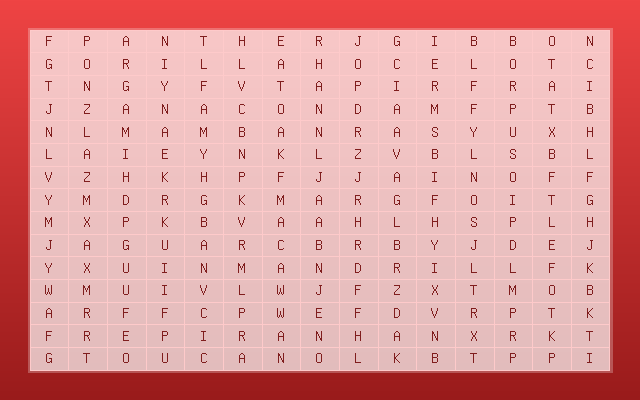
This activity also strengthens several cognitive skills at once. Locating a hidden word requires the solver to hold a target term in working memory while systematically scanning rows and columns, a task that builds sustained attention and visual pattern recognition. For students studying art history, a Renaissance art word search offers a structured yet enjoyable entry point into vocabulary they will need throughout a broader unit on the period's major works and figures.
There is also a natural cross-curricular benefit built into this theme. The Renaissance touches on art, history, science, and even early engineering, given figures like Leonardo da Vinci who worked across multiple disciplines simultaneously. A word list built around this era gives teachers a flexible tool that can support lessons across multiple subjects rather than being confined to a single art classroom unit.
Building a Well-Rounded Word List
Creating an effective Renaissance art word search starts with a well-organized word list that spans several categories:
Legendary Artists – Da Vinci, Michelangelo, and Raphael anchor most puzzles with names tied to some of the most celebrated creative figures in Western art history.

Techniques and Styles – Fresco, chiaroscuro, and perspective introduce vocabulary tied to the specific artistic innovations that defined Renaissance painting and sculpture.
Famous Works and Subjects – Words like portrait, sculpture, and masterpiece round out the list with vocabulary describing the types of works produced during this creative golden age.
Patronage and Setting Terms – Terms such as patron, studio, and cathedral add vocabulary tied to how Renaissance art was commissioned, created, and displayed.
Balancing shorter, familiar words with a handful of longer or more technical terms, such as "chiaroscuro" or "perspective," ensures that a Renaissance art word search remains engaging for a wide range of ages rather than feeling either too simple or too overwhelming.
- Renewable Energy Word Search
-
World Ecosystems Word Search
-
Endangered Species Word Search
-
Ocean Conservation Word Search
Adjusting Difficulty for Every Age Group
As with any word search, difficulty depends on grid size, total word count, and the directions words are allowed to appear in. A smaller 10x10 grid featuring a dozen straightforward horizontal words works well for young children or early readers just becoming comfortable with the puzzle format. As solvers grow more confident, expanding to a 15x15 or 20x20 grid, adding diagonal and backwards placements, and introducing longer or more technical terms creates a genuinely challenging experience for older students and dedicated art history enthusiasts.
Many art teachers prepare two versions of the same Renaissance art word search, a simplified beginner grid and a more advanced version, allowing the same themed activity to serve an entire classroom regardless of individual reading levels or grade.
Where This Puzzle Shines
A Renaissance art word search fits naturally into a wide variety of educational settings. Art teachers frequently use it when introducing a unit on Renaissance masters, giving students a fun way to build vocabulary before diving into more detailed lessons on specific paintings, sculptures, or artistic techniques. Museums with Renaissance collections often include a version of this puzzle in educational handouts, reinforcing what visitors just learned while exploring a gallery of period paintings and sculptures.
Homeschool families studying art history can pair a Renaissance art word search with a virtual museum tour or a printed collection of famous paintings, using the puzzle as a fun reinforcement activity rather than a standalone worksheet. History teachers covering the broader Renaissance period sometimes incorporate this puzzle alongside lessons on the era's scientific and philosophical advancements, connecting artistic vocabulary to the period's wider cultural transformation.
Even outside of formal educational settings, many adults enjoy art-themed puzzles simply because the Renaissance continues to hold such broad cultural fascination, treating the activity much like a relaxing crossword or trivia session, but with the added benefit of reinforcing knowledge about some of history's most celebrated creative achievements.
The Genius Behind Every Word
Part of what makes a Renaissance art word search so rewarding is the genuine innovation behind many of the terms included. Chiaroscuro, the dramatic use of light and shadow, allowed artists to create a striking sense of depth and volume that had rarely been achieved so convincingly before this period. Linear perspective, another key Renaissance innovation, gave painters the mathematical tools needed to create the illusion of three-dimensional space on a flat canvas, fundamentally changing how artists approached composition from that point forward.
These small but fascinating details give a Renaissance art word search extra educational depth beyond simple word recognition. A teacher or parent can use each word found in the puzzle as a jumping-off point for a quick fact about a specific technique or artist, turning a few minutes of puzzle-solving into a genuine art history lesson.
Tips for Solving This Puzzle Quickly
Solvers looking to move through a Renaissance art word search efficiently can use a few simple strategies. First, scan the entire grid once for short, commonly recognized words like "art" or "paint," since these tend to stand out immediately. Next, focus on the longest words in the list, such as "chiaroscuro" or "perspective," as their unusual letter combinations make them easier to isolate once the general shape is known. Working systematically through the grid, row by row and then column by column, helps ensure that diagonal or backwards words are not overlooked.
- Jazz Music Word Search
- Bicycles and Cycling Word Search
- Robots and Robotics Word Search
- Knights and Castles Word Search
- Ice cream word search
- Perfumes and Fragrances Word Search
A Puzzle That Inspires Further Exploration
One of the quieter benefits of a Renaissance art word search is how naturally it encourages solvers to seek out the actual artwork behind each name and term. After finding "Michelangelo" or "fresco" hidden in the grid, curiosity often leads a student to look up the artist's most famous works, discovering paintings and sculptures that textbooks alone might never have prompted them to explore so eagerly. Teachers can use this natural curiosity as a springboard, following the puzzle with a short slideshow of the actual masterpieces connected to each vocabulary word.
Conclusion
A Renaissance art word search brings the brilliance of one of history's most celebrated creative periods onto the page, turning art history vocabulary into a genuinely engaging puzzle experience. By combining legendary artists, groundbreaking techniques, and famous works within a flexible, scalable format, this puzzle appeals to curious students and lifelong art enthusiasts alike. Whether used as a classroom activity, a museum companion piece, or simply a relaxing personal pastime, a well-built Renaissance art word search proves that learning about this golden age of creativity can be every bit as inspiring as the masterpieces it produced.