Music Word Search: A Complete Guide to Genres, Instruments, and Musical Terms Puzzles
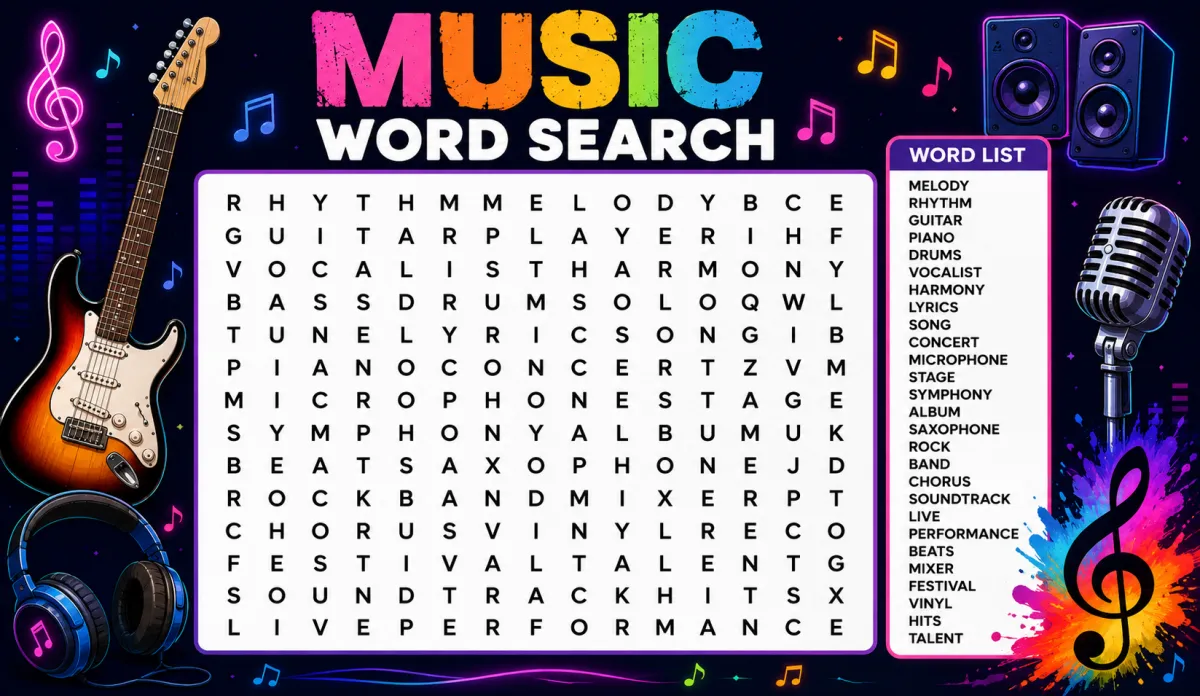
Music surrounds almost every part of daily life, yet the vocabulary behind it genres, instruments, theory terms, and iconic bands is often something people absorb passively rather than actively learn. A music word search changes that. By turning musical vocabulary into a puzzle to solve, it gives both casual listeners and serious students a hands-on way to engage with the language of music.
Whether you are a music teacher planning a lesson, a parent looking for a screen-friendly learning activity, or simply someone who loves music and puzzles equally, a music word search brings both worlds together in a satisfying way.
What Is a Music Word Search?
A music word search is a themed puzzle where the hidden words come from the world of music anything from instrument names and genre labels to music theory terms and legendary band names. Instead of scanning a grid full of unrelated words, solvers work through vocabulary that connects directly to something they already enjoy: songs, artists, and sound.
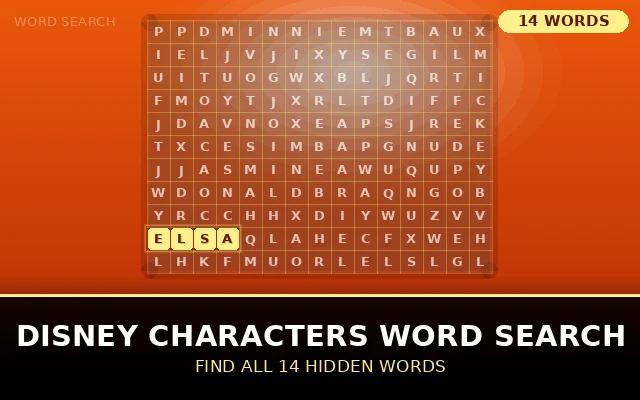
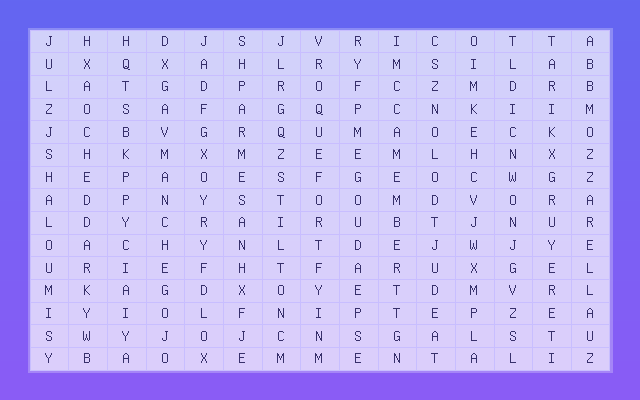
Like any classic word search, the puzzle is built on a grid of letters with the target words hidden horizontally, vertically, diagonally, or backward. The theme is what sets it apart, giving every hidden word a direct connection to music rather than a random subject.
Why a Music Genres Word Search Appeals to So Many People
Music taste is deeply personal, which is part of why a music genres word search works so well as an engagement tool. Spotting "jazz," "reggae," or "synthwave" hidden in a grid sparks a small moment of recognition tied to personal taste, making the puzzle feel less like a study exercise and more like an extension of a hobby people already love.
- What Is a Music Word Search?
- Why a Music Genres Word Search Appeals to So Many People
- Categories Commonly Found in Music Word Search Puzzles
- Music Genres
- Musical Instruments Word Search Terms
- Music Theory Vocabulary
- Band and Artist Names
- Benefits of Music Word Search Puzzles for Learners
- How Music Word Search Puzzles Are Designed
- Tips for Solving a Music Word Search
- Using Music Word Search Puzzles in the Classroom
- Music Word Search for Parties and Family Activities
- Music Word Search Across Different Skill Levels
- Conclusion
This personal connection is also what makes music-themed puzzles so replayable. A person who loves classical music might seek out a puzzle filled with orchestral terms, while a fan of modern pop might prefer a puzzle built around chart-topping genres and artist names. The subject matter is broad enough that almost anyone can find a version that feels tailored to their own taste, which keeps people coming back to try a new category every time.

Categories Commonly Found in Music Word Search Puzzles
Music Genres
Words like classical, hip-hop, blues, and electronic introduce solvers to the wide spectrum of musical styles, often prompting curiosity about genres they have not explored before. A well-designed music genres word search usually balances mainstream categories with a few less common ones, encouraging solvers to look up unfamiliar terms after finishing the puzzle.
Musical Instruments Word Search Terms
Instrument names such as cello, saxophone, ukulele, and synthesizer are common in puzzles designed for younger learners or beginner music students, reinforcing vocabulary before formal lessons begin. These puzzles are frequently used in elementary music classes, where visual recognition of instrument names supports early musical literacy, long before a student picks up an actual instrument.
Music Theory Vocabulary
More advanced puzzles include terms like tempo, harmony, crescendo, and octave, giving music students a playful way to reinforce classroom concepts outside the practice room. Theory-based puzzles work particularly well as a review activity before an exam, since they encourage repeated exposure to terms that can otherwise feel abstract when only encountered in a textbook.
Band and Artist Names
A band names word search taps into pop culture recognition, mixing legendary acts with contemporary names to appeal to fans across generations. These puzzles are often built around a specific era, genre, or award show, giving solvers a nostalgic or celebratory experience depending on the theme chosen.
Benefits of Music Word Search Puzzles for Learners
For young students, a musical instruments word search often serves as a first introduction to unfamiliar vocabulary before an instrument is ever picked up. Seeing the word "trombone" or "clarinet" repeatedly in a puzzle helps build familiarity long before a student holds the actual instrument in class.
For older students in music theory classes, term-based puzzles reinforce concepts that can otherwise feel abstract on a page. Words like "dynamics" or "syncopation" gain more meaning when a student has already spent time actively searching for and recognizing them, rather than only meeting them once in a lecture.
And for casual solvers, a music word search offers the same relaxing, focus-boosting benefit as any other puzzle just wrapped in a subject they already love. The combination of light mental challenge and personal interest makes these puzzles an easy way to unwind during a break, whether at home, on a commute, or between study sessions.
How Music Word Search Puzzles Are Designed
Puzzle designers typically choose a grid size based on the intended audience. A smaller grid with straightforward horizontal and vertical placement suits young learners working through an instruments puzzle, while a larger grid with diagonal and backward words challenges older students tackling music theory vocabulary. Word lists are usually grouped by category genres in one puzzle, instruments in another rather than mixed together, which keeps the learning focus clear and consistent throughout the activity.
- Dog Breeds Word Search
- Space Exploration Word Search
- Stars and Galaxies Word Search
- Solar System Word Search
- Gaming Word Search
Tips for Solving a Music Word Search
- Start with genre names, since they tend to be longer and more distinctive than short theory terms.
- Watch for instrument names that share letters with common words — "harp," for example, is short and easy to miss.
- If theory terms are included, keep a mental note of musical terms you already know, since recognizing them speeds up your scan considerably.
- Work in sections of the grid rather than scanning the whole thing at once, especially in larger puzzles with dozens of hidden words.
- Read the word list carefully before starting, since some music terms — like "rest" or "bar" — double as common English words and are easy to overlook.
Using Music Word Search Puzzles in the Classroom
Music teachers often use themed word searches at the start of a new unit, whether introducing orchestral instruments, exploring genre history, or reviewing theory vocabulary before a test. Because the format requires no special materials beyond a printed grid, it works equally well as a warm-up activity, a substitute lesson plan, or a quiet independent task. Some teachers also pair a music word search with a listening activity, asking students to identify the genre or instrument they just found in the puzzle when they hear it in a short audio clip, connecting the visual word to an actual sound.
Music Word Search for Parties and Family Activities
Beyond the classroom, music-themed puzzles make a fun addition to trivia nights, karaoke parties, or family game evenings. A band names word search built around a specific decade can spark conversation and nostalgia among adults, while a general music genres puzzle works well as a lighthearted group activity for mixed ages. Some hosts even use a themed puzzle as a warm-up activity before a music trivia round, getting guests thinking about genres and artists before the questions begin.
Music Word Search Across Different Skill Levels
Because music vocabulary ranges from simple instrument names to advanced theory terminology, a music word search adapts easily to almost any skill level. Beginners benefit most from genre and instrument puzzles, which rely on recognition rather than technical knowledge. More advanced students, particularly those studying music theory or composition, gain more from puzzles centered on terminology, since the act of searching reinforces concepts they are actively applying in their coursework or practice sessions.
Conclusion
Whether the goal is reinforcing music theory vocabulary, introducing young learners to instrument names, or simply enjoying a puzzle themed around a lifelong passion, a music word search offers an easy, low-pressure way to engage with the language of music. It rewards curiosity, sharpens focus, and turns familiar musical terms into something worth actively searching for.