Famous Painters Word Search: Discovering Art History Through Puzzles
Art has always had a unique way of connecting people across generations, and one of the most enjoyable ways to introduce art history to learners of all ages is through a famous painters word search. This simple puzzle format takes the names of history's most celebrated artists and hides them within a grid of letters, encouraging players to search, learn, and remember while having fun. Whether you are a teacher planning a lesson on art history, a parent looking for a creative activity, or simply someone who enjoys puzzles with an educational twist, a famous painters word search offers a rewarding experience for everyone involved. Often searched alongside terms like art history word search, artist name word find, and printable painter puzzle, this activity has become a popular resource for anyone looking to combine art appreciation with interactive learning.
The Growing Popularity of Themed Word Searches
Word search puzzles have been a staple of classrooms, waiting rooms, and puzzle books for decades. In recent years, however, themed word searches have become increasingly popular because they combine entertainment with learning. A famous painters word search takes this trend a step further by embedding cultural knowledge into a game that people already enjoy. Instead of simply filling a grid with random words, this type of puzzle introduces players to painters like Leonardo da Vinci, Vincent van Gogh, Pablo Picasso, and Claude Monet, sparking curiosity about their lives, techniques, and contributions to art. This growing category of educational puzzles, sometimes labeled as an artist word search or a classic painters puzzle, sits alongside other popular niches such as famous artists crossword puzzles and art movement word finds, all of which serve the same goal of making art history more memorable.
Puzzles:
Who Gets Featured in a Famous Painters Word Search
A well-designed famous painters word search usually includes a mix of artists from different eras and movements, giving players a broad introduction to art history. Some commonly featured names include:
- The Growing Popularity of Themed Word Searches
- Puzzles:
- Who Gets Featured in a Famous Painters Word Search
- Educational Benefits of a Famous Painters Word Search
- Introducing Art History in an Approachable Way
- Strengthening Spelling and Recognition Skills
- Encouraging Cross-Disciplinary Learning
- Supporting Classroom Engagement
- Puzzles:
- How Teachers and Parents Can Use These Puzzles Effectively
- Creating Your Own Famous Painters Word Search
- Why Art Education Matters
- Tips for Maximizing Learning Through Word Search Puzzles
- Conclusion
Leonardo da Vinci: Known for masterpieces like the Mona Lisa and The Last Supper, da Vinci remains one of the most celebrated figures of the Renaissance.
Vincent van Gogh: Famous for his expressive brushwork and emotional intensity, van Gogh created iconic works such as Starry Night and Sunflowers.
Pablo Picasso: A pioneer of Cubism, Picasso's innovative approach to form and perspective changed the course of modern art.
Claude Monet: As a founding figure of Impressionism, Monet's paintings of gardens and landscapes captured light and color in groundbreaking ways.
Frida Kahlo: Celebrated for her deeply personal and symbolic self-portraits, Kahlo remains an influential figure in both art and cultural history.
Michelangelo: Renowned for his sculptures and the Sistine Chapel ceiling, Michelangelo's work exemplifies the artistic achievements of the High Renaissance.
Rembrandt van Rijn: A master of light and shadow, Rembrandt's portraits and biblical scenes remain some of the most studied works in art history.
Georgia O'Keeffe: Known for her large-scale flower paintings and desert landscapes, O'Keeffe is often regarded as a pioneer of American modernism.
Salvador Dalí: A leading figure of Surrealism, Dalí's dreamlike imagery and technical precision continue to captivate audiences worldwide.

Andy Warhol: A central figure in the Pop Art movement, Warhol's bold, repetitive imagery transformed everyday objects into cultural icons.
Including such a diverse range of artists allows a famous painters word search to serve as a mini art history lesson disguised as a game.
Educational Benefits of a Famous Painters Word Search
Introducing Art History in an Approachable Way
Many students find traditional art history lessons overwhelming, especially when they involve memorizing dates, movements, and technical terms. A famous painters word search softens this learning curve by presenting names in a low-pressure, game-based format. As players search for each artist's name, they naturally begin to ask questions about who these people were and why their work matters.
Strengthening Spelling and Recognition Skills
Some painter names, such as Michelangelo or Toulouse-Lautrec, can be challenging to spell. Repeated exposure through a word search helps reinforce correct spelling while also improving visual recognition skills, which is especially useful for younger learners.
Encouraging Cross-Disciplinary Learning
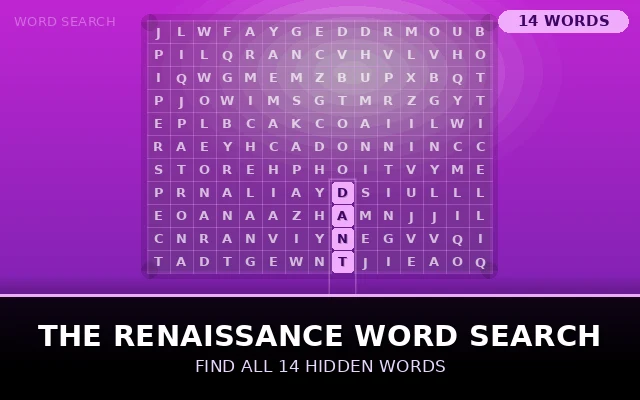
A famous painters word search naturally connects to other subjects such as history, geography, and even literature. Learning about Renaissance painters, for example, often leads to broader discussions about the political and cultural climate of Italy during that period.
Supporting Classroom Engagement
Teachers often use themed puzzles as warm-up activities, homework assignments, or rewards for completed coursework. A famous painters word search can be easily adapted to fit lesson plans focused on specific art movements, time periods, or regions.
Puzzles:
How Teachers and Parents Can Use These Puzzles Effectively
To get the most value out of a famous painters word search, consider pairing it with additional activities. For instance, after completing the puzzle, ask students to choose one artist and research a single fact about their life or most famous painting. This turns a simple word search into a launching point for deeper exploration.
Another effective approach is to display images of the featured artists' most iconic works alongside the puzzle. Seeing a Van Gogh painting or a Picasso sketch while searching for their names helps reinforce visual memory and makes the connection between the artist and their art more tangible.
For younger children, simplifying the puzzle by using first names or shorter artist names can make the activity more accessible, while older students can be challenged with full names, birth years, or even the titles of specific paintings hidden within the grid.
Creating Your Own Famous Painters Word Search
Building a custom puzzle is easier than it might seem, especially with the help of free online word search generators. Many creators searching for a printable word search maker or a free puzzle generator for teachers can produce a professional-looking activity in just a few minutes. Here is a straightforward approach:
Start by selecting a theme, such as Renaissance masters, Impressionists, or modern artists, depending on the lesson or interest area. Next, choose between ten and twenty painter names appropriate for your audience's age and familiarity with art history. Input these names into a word search generator tool, which will automatically arrange them into a letter grid with adjustable difficulty levels.
Once the puzzle is generated, consider adding a short bio or fun fact next to each artist's name in a word bank. This additional context transforms the puzzle from a simple game into a valuable educational resource. Finally, print the puzzle for classroom distribution or share it digitally as a downloadable file for remote learning environments.
Why Art Education Matters
Art plays a significant role in shaping culture, history, and individual expression. Understanding the contributions of famous painters helps people appreciate not only the aesthetic value of a painting but also the historical and social context in which it was created. Movements like the Renaissance, Impressionism, Cubism, and Surrealism each reflect the ideas and values of their respective time periods, and learning about the artists behind these movements deepens our understanding of human creativity throughout history.
A famous painters word search, while simple in design, plays a small but meaningful role in keeping art education accessible and engaging. By making the names of influential painters familiar through repeated exposure, these puzzles help build a foundation of cultural literacy that can inspire further interest in visual arts. This is part of a broader trend that includes art appreciation activities for kids, art history trivia, and painting movement word searches, all designed to make cultural education more interactive.
- Airport and Flying Terms Word Search
- Mountains and Rivers Word Search
- Cars and Vehicles Word Search
- Norse Mythology Word Search
- Musical Instruments Word Search
- Endangered Species Word Search
Tips for Maximizing Learning Through Word Search Puzzles
To make the most of a famous painters word search, try incorporating some of the following strategies. Pair the puzzle with a short documentary or video clip about one of the featured artists to add visual context. Encourage group discussions about which artist's work participants find most interesting and why. Rotate the theme regularly by focusing on different art movements or regions, such as Baroque painters one week and modern American artists the next. Introduce a simple follow-up project where participants recreate a small element of their favorite artist's style using their own materials.
These additional activities help transform a basic puzzle into a richer, more immersive learning experience.
Conclusion
A famous painters word search in It wordsearch is more than just a fun pastime. It serves as an effective educational bridge between entertainment and art history, helping learners of all ages become familiar with the names and contributions of influential artists throughout history. From Renaissance icons like Leonardo da Vinci and Michelangelo to modern pioneers like Andy Warhol and Frida Kahlo, these puzzles introduce a world of creativity and cultural significance in a format that feels approachable rather than academic.
Whether used in classrooms, homeschool settings, or simply as a leisure activity, a famous painters word search offers a meaningful way to celebrate the artists who have shaped the visual world we live in today. By blending play with knowledge, this simple puzzle format continues to prove that learning about art history can be just as enjoyable as it is enriching. For anyone searching for a painters word search printable, an art history puzzle for students, or a fun way to teach kids about famous artists, this activity remains one of the simplest and most effective tools available.