Desert Animals Word Search: Discovering Life in the Worlds Driest Places
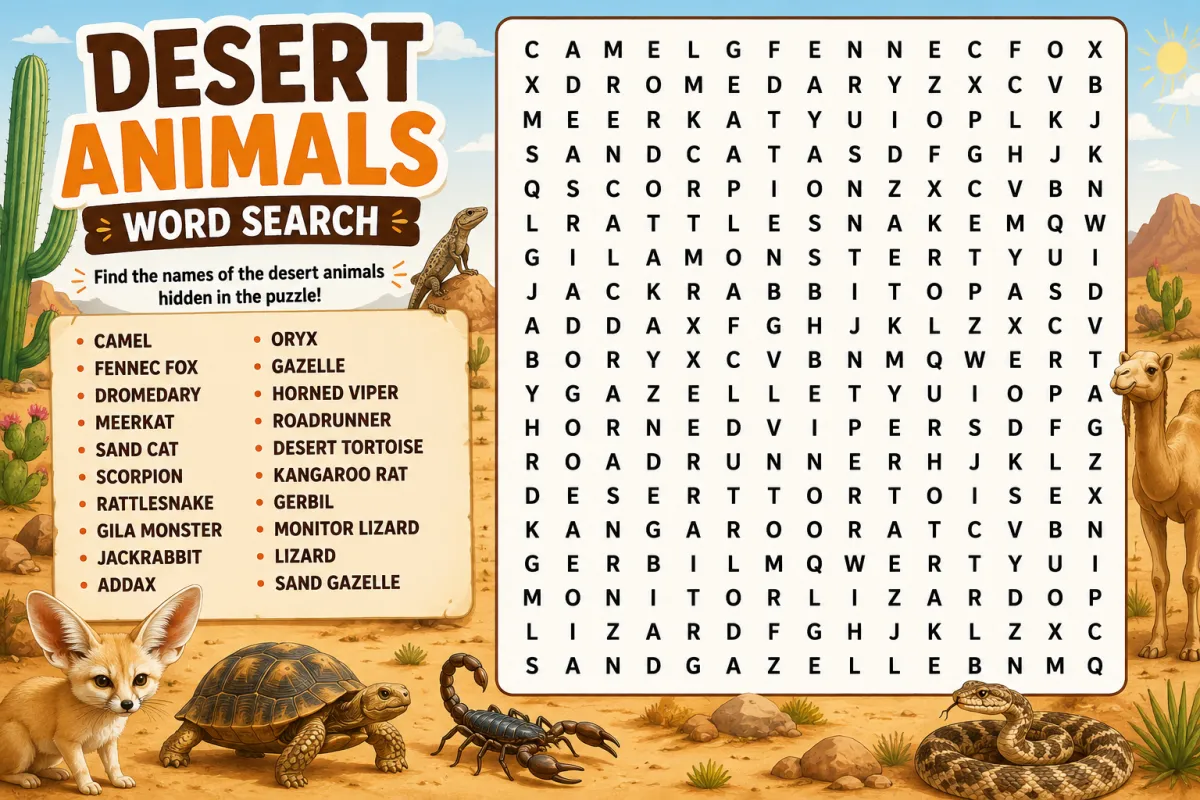
Deserts might look empty at first glance, but they are home to some of the most resilient and fascinating creatures on the planet. From the camel's ability to cross scorching sand dunes to the scorpion's silent night hunts, desert wildlife has adapted in remarkable ways to survive extreme heat and scarce water. A desert animals word search takes this hidden world of survival and adaptation and turns it into an engaging vocabulary puzzle, letting solvers of all ages explore desert life one hidden word at a time.
What Is a Desert Animals Word Search?
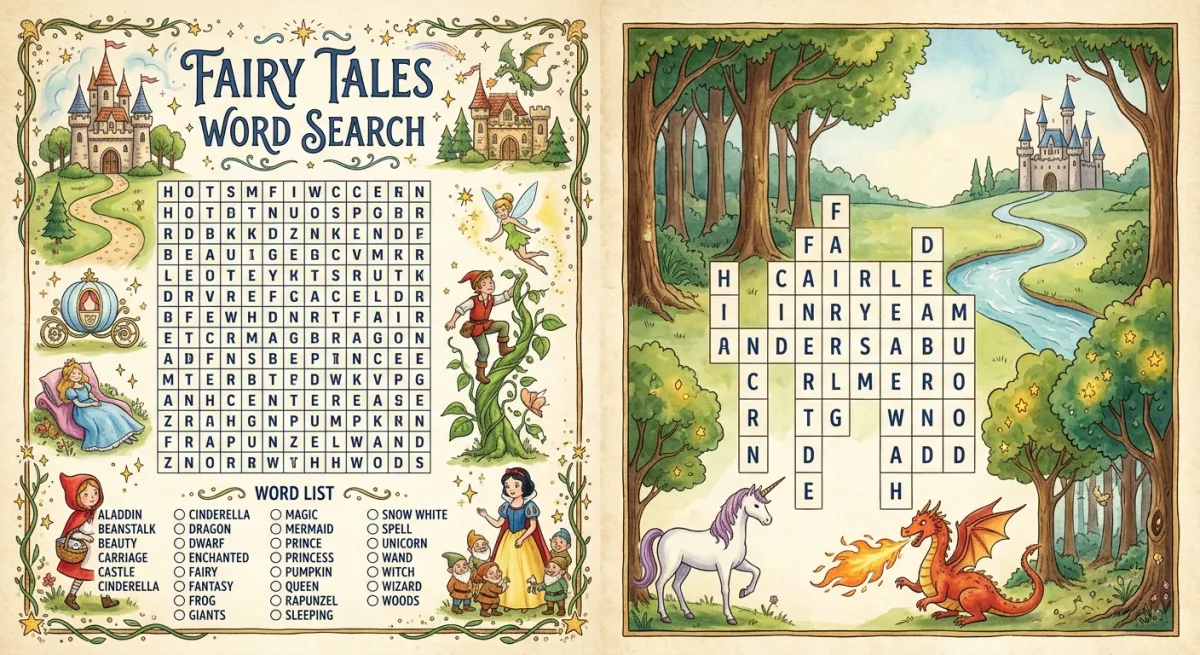
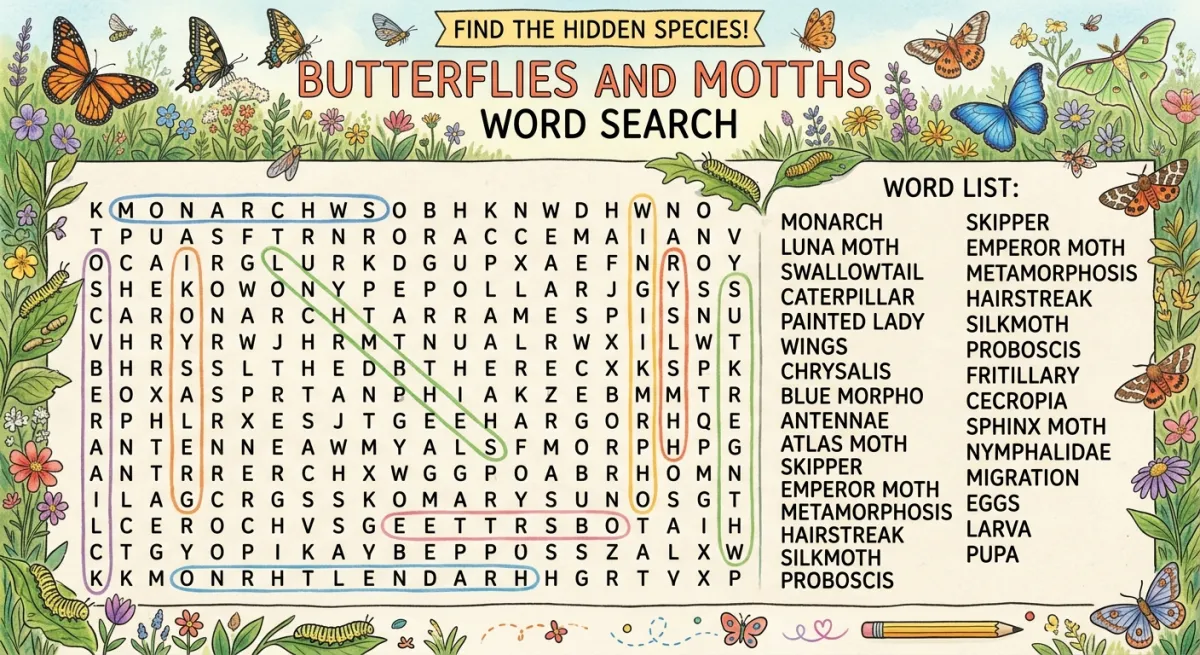
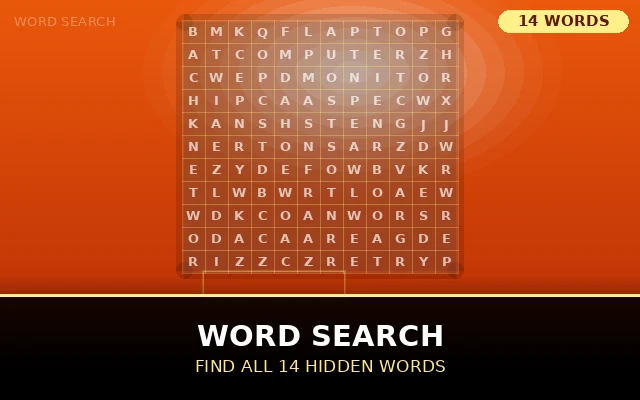
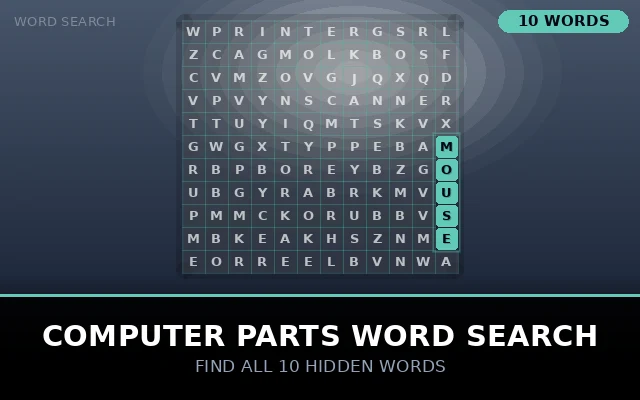
A desert animals word search is a grid-based It wordsearch puzzle in which the names of animals that live in arid, desert environments are hidden horizontally, vertically, diagonally, or backwards among rows of letters. Solvers use a provided word list to scan the grid carefully, circling each animal name as it is found. This format turns what could be a simple vocabulary list into an interactive activity that rewards patience, careful observation, and genuine curiosity about how life persists in some of the harshest climates on earth.
What makes a desert animals word search particularly compelling is the contrast built into the subject itself. Deserts appear barren and lifeless on the surface, yet they support an entire ecosystem of specially adapted creatures, and uncovering their names in a puzzle format mirrors the sense of quiet discovery that makes desert wildlife documentaries so captivating.
Why This Themed Puzzle Works So Well
Word search puzzles have long been valued as tools for reinforcing vocabulary and spelling, and pairing that structure with desert wildlife adds a layer of genuine scientific interest. Children and adults alike are often surprised to learn how many different animals call the desert home, and the process of searching for a name like "scorpion" or "roadrunner" inside a dense grid builds vocabulary while also sparking curiosity about how each creature survives.
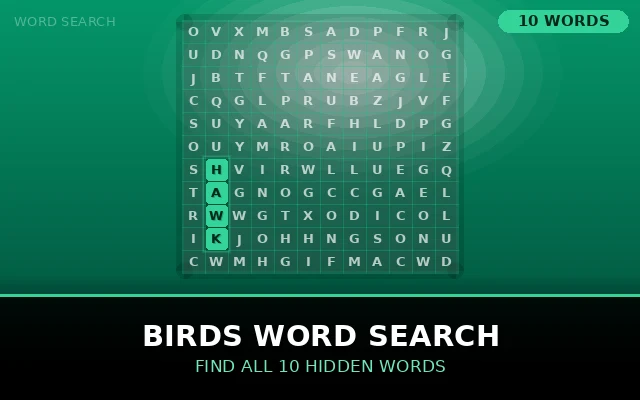
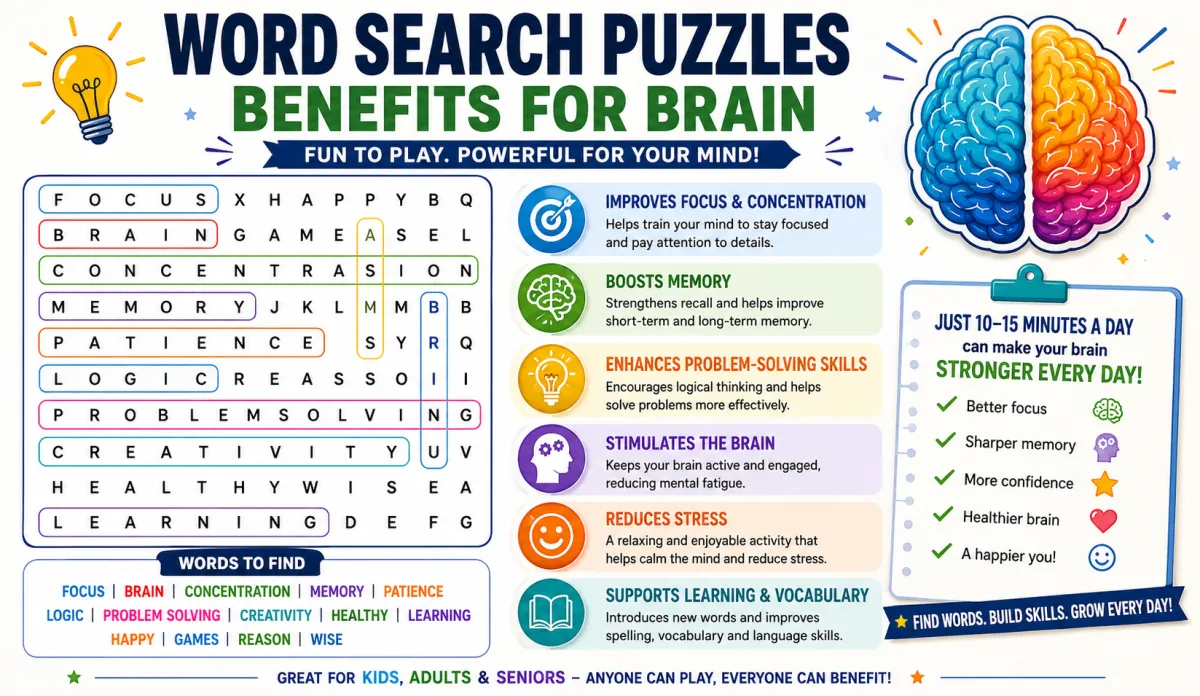
This activity strengthens several cognitive skills simultaneously. Locating a hidden word requires the solver to hold a target name in working memory while systematically scanning rows and columns, a task that builds sustained attention and concentration. For children who find it difficult to stay focused during traditional lessons, a desert animals word search offers a structured yet enjoyable way to practice exactly those skills without the activity ever feeling like a chore.
There is also a natural educational bridge built into this theme. Many of the animal names found in a desert animals word search, such as fennec fox, jerboa, or sidewinder, are unlikely to appear in a child's everyday vocabulary. Encountering these words in a puzzle format creates a memorable first exposure, often prompting curious questions about how these animals find water, avoid predators, or survive extreme temperatures, giving teachers and parents a natural opening for deeper science conversations.
Building a Strong Desert Word List
Creating an effective desert animals word search starts with a well-balanced word list that spans a range of difficulty levels:
Iconic Desert Mammals – Camel, fox, coyote, jackal, and jerboa anchor most puzzles with recognizable, engaging names.
Reptiles and Amphibians – Rattlesnake, sidewinder, gecko, and horned lizard introduce longer, more distinctive words that add a satisfying challenge.
Insects and Arachnids – Scorpion, tarantula, and locust bring in shorter but memorable vocabulary tied to some of the desert's most resilient survivors.
Birds and Smaller Wildlife – Roadrunner, vulture, and owl round out the list with approachable words suited to younger children or beginner puzzlers.
Balancing short, familiar words with a handful of longer, more unusual names, such as "fennec fox" or "sidewinder," ensures a desert animals word search stays engaging for a wide range of ages rather than feeling either too simple or too frustrating.

Adjusting Grid Size and Difficulty
Difficulty in a desert animals word search depends on grid size, total word count, and the directions words are allowed to appear in. A smaller 10x10 grid featuring a dozen straightforward horizontal words works well for young children or early readers just becoming comfortable with the puzzle format. As solvers grow more confident, moving to a 15x15 or larger grid, adding diagonal and backwards placements, and introducing longer or less familiar animal names creates a genuinely challenging experience for older students and adult puzzle fans.
Many educators create two versions of the same desert animals word search, a simplified beginner grid and a more advanced version, allowing the same theme to serve an entire classroom regardless of individual reading levels.
Where This Puzzle Shines
A desert animals word search fits naturally into a wide variety of settings. Elementary school teachers frequently use it when introducing a unit on biomes, ecosystems, or animal adaptation, giving students a fun way to build vocabulary before diving into more detailed lessons on how desert creatures survive extreme conditions. Zoos and nature centers with desert exhibits often include a version of this puzzle in educational handouts, reinforcing what visitors just learned during a guided tour.
Parents planning a desert or wildlife-themed activity day can print copies as table activities, giving children something engaging to do while learning about a habitat very different from their own backyard. Homeschool families studying geography or biology can pair a desert animals word search with a short lesson on world biomes, using the puzzle as a fun reinforcement activity rather than a standalone worksheet.
Even outside formal educational settings, many adults enjoy desert-themed puzzles simply for the sense of quiet adventure they evoke, treating the activity much like a relaxing crossword or sudoku session, but with the added appeal of learning about some of the planet's most resilient and least familiar creatures.
- Gaming Word Search
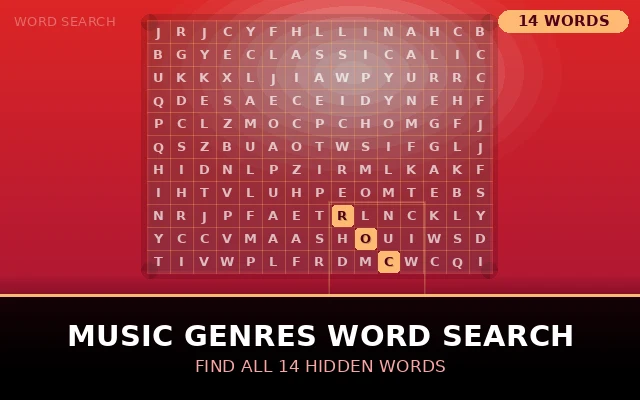
- Music Word Search
- Mythology Word Search
- History Word Search
- Superheroes Word Search
- Dinosaur Names Word Search
How Desert Animals Survive Against the Odds
Part of what makes this puzzle theme so rewarding is the genuine science behind every name on the list. Camels store fat, not water, in their humps, and can go for extended periods without drinking thanks to specially adapted kidneys that conserve moisture. Fennec foxes have unusually large ears that help release body heat, while also giving them exceptional hearing to detect prey moving beneath the sand at night. Many desert reptiles, including the sidewinder, have developed a unique sideways movement pattern that reduces the amount of body surface touching scorching sand at any given moment.
These small but fascinating details give a desert animals word search extra educational depth beyond simple name recognition. A teacher or parent can use each word found in the puzzle as a jumping-off point for a quick fact about survival adaptation, turning a few minutes of puzzle-solving into a genuine science lesson. This layered approach is part of why desert wildlife content continues to resonate strongly with students studying biology, ecology, or general animal science, since the vocabulary connects directly to observable, explainable survival strategies rather than abstract concepts.
A Habitat Worth Protecting
Beyond vocabulary and trivia, a desert animals word search can also open a gentle conversation about conservation. Desert ecosystems are often overlooked in broader environmental discussions, yet they face real pressures from rising temperatures, water scarcity, and habitat disruption. When a solver finds an unfamiliar name like "jerboa" or "horned lizard" in the grid and asks what it is, that curiosity creates a natural opening to talk about why protecting even the driest, least glamorous habitats matters just as much as protecting rainforests or oceans.
Tips for Solving a Desert Animals Word Search Quickly
To move through a desert animals word search efficiently, start by scanning the entire grid once for short, easily recognized words like "fox" or "owl," since these tend to stand out immediately. Next, target the longest names on the list, such as "rattlesnake" or "fennec fox," as their unusual letter patterns make them easier to isolate once their general shape is known. Reading the grid systematically, row by row and then column by column, helps catch any words hidden diagonally or backwards that a quick glance might miss. As with any puzzle, speed comes naturally with practice, and the real goal remains enjoying the discovery as much as finishing quickly.
Conclusion
A desert animals word search captures the quiet resilience of one of the planet's harshest environments and turns it into a genuinely engaging vocabulary-building activity. By combining iconic desert mammals, reptiles, and insects within a flexible, scalable puzzle format, this activity teaches spelling, strengthens focus, and sparks curiosity about how life adapts to extreme conditions. Whether used in a classroom lesson on ecosystems, a wildlife-themed activity day, or simply as a relaxing personal pastime, a well-designed desert animals word search proves that even the driest corners of the world are full of vocabulary worth discovering.