Superheroes Word Search: The Ultimate Puzzle for Comic Book Fans
Few things capture the imagination quite like a superhero. From the moment a child first sees a cape flapping in the wind on a cartoon screen, or a teenager gets lost in a stack of comic books, superheroes become a permanent part of pop culture memory. A superheroes word search takes that fascination and turns it into a hands-on learning activity, blending the fun of puzzle-solving with the excitement of the superhero universe. Whether you are a teacher planning a themed classroom activity, a parent looking for screen-free entertainment, or simply a fan who enjoys a good puzzle, a superheroes word search offers something for everyone.
What Is a Superheroes Word Search?
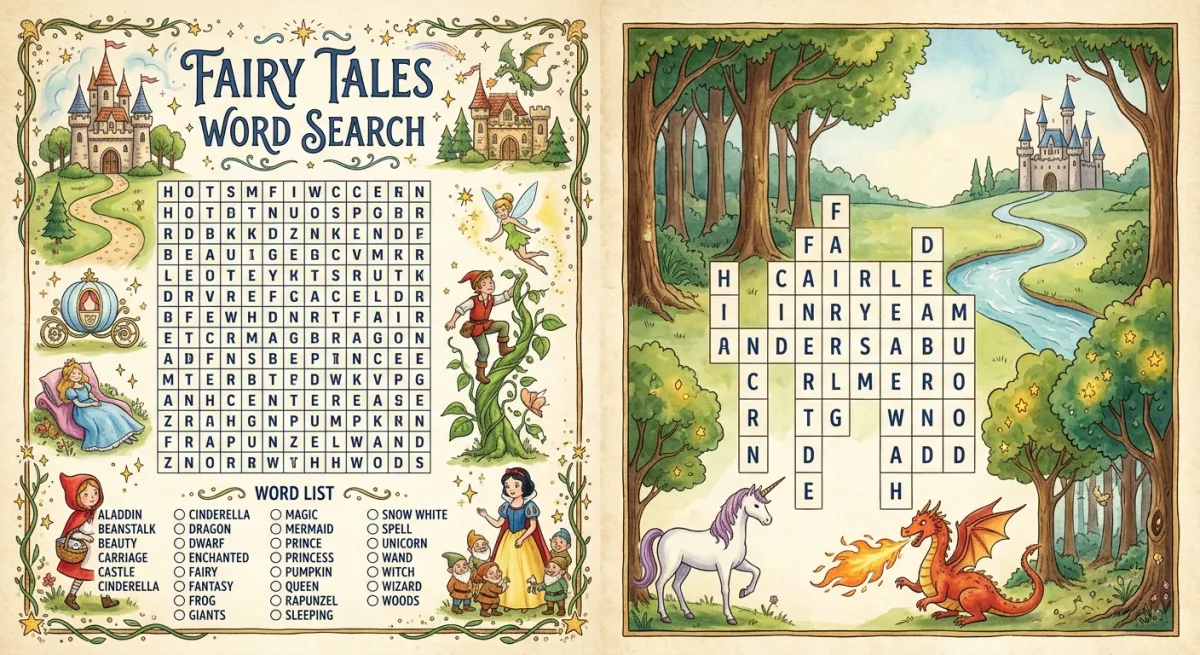
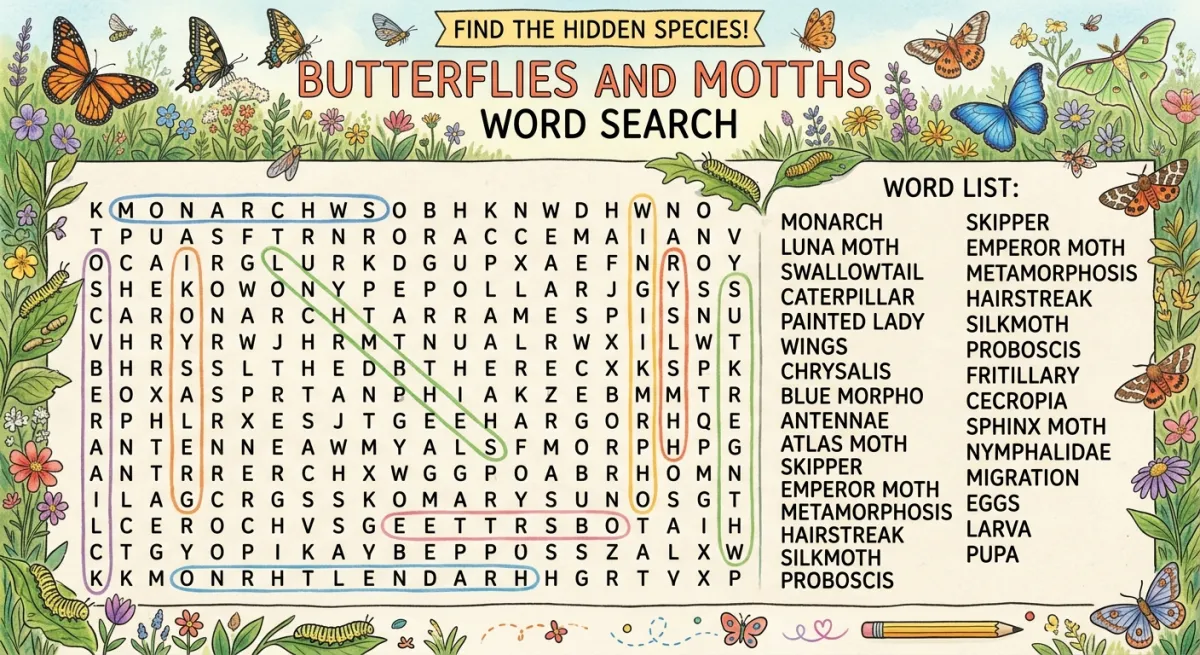
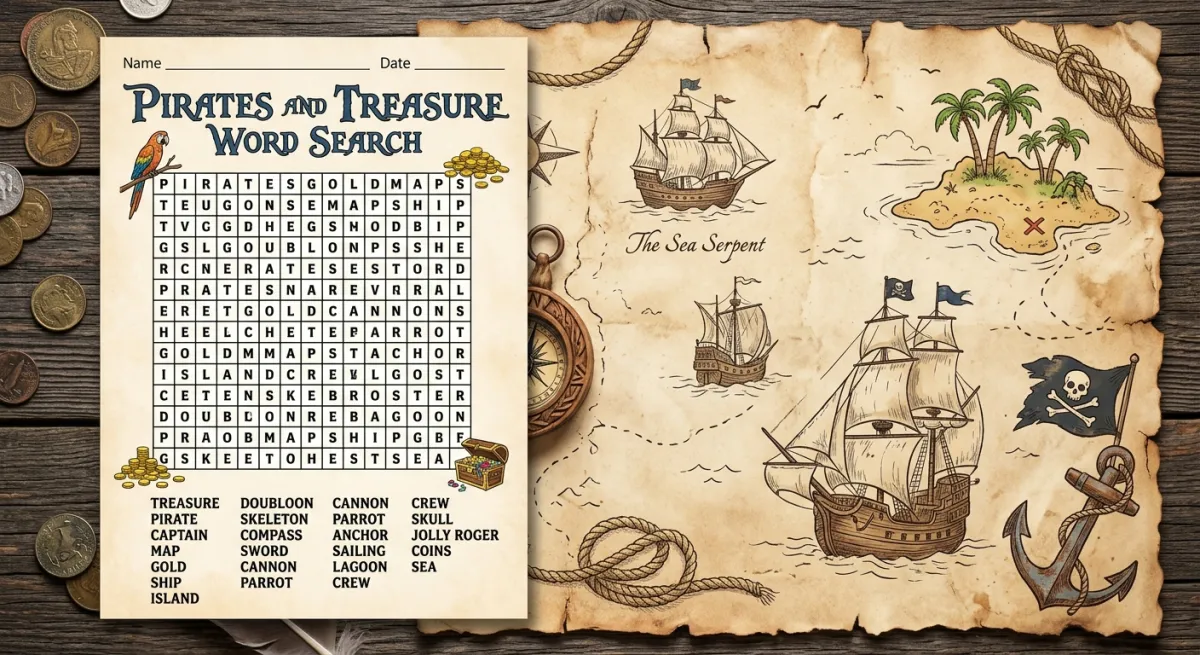
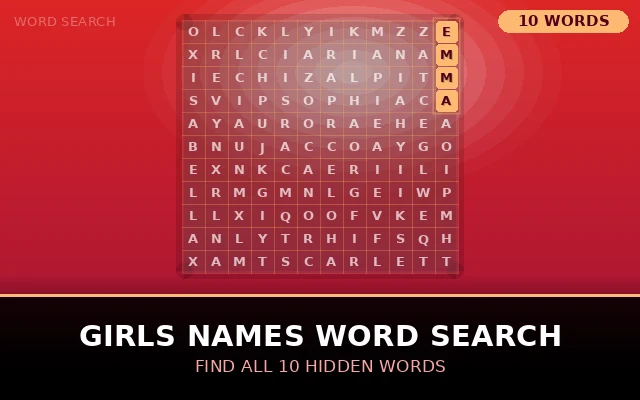
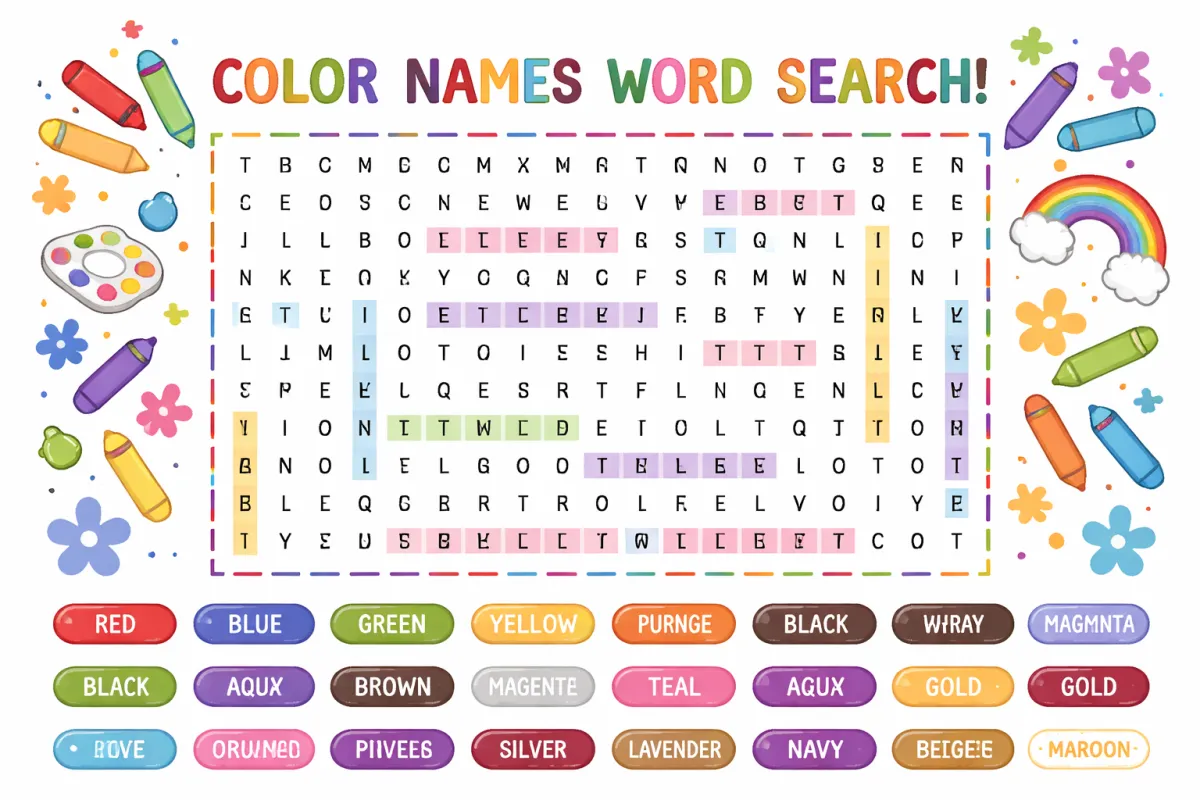
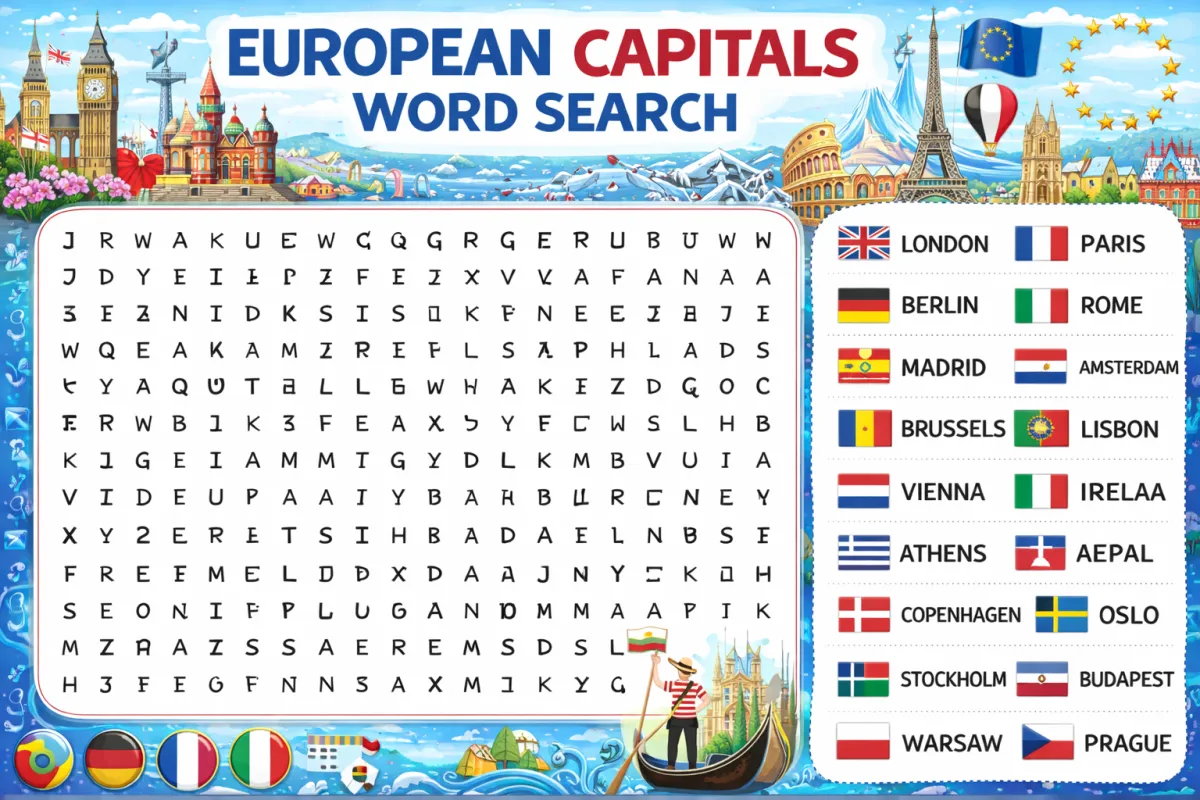
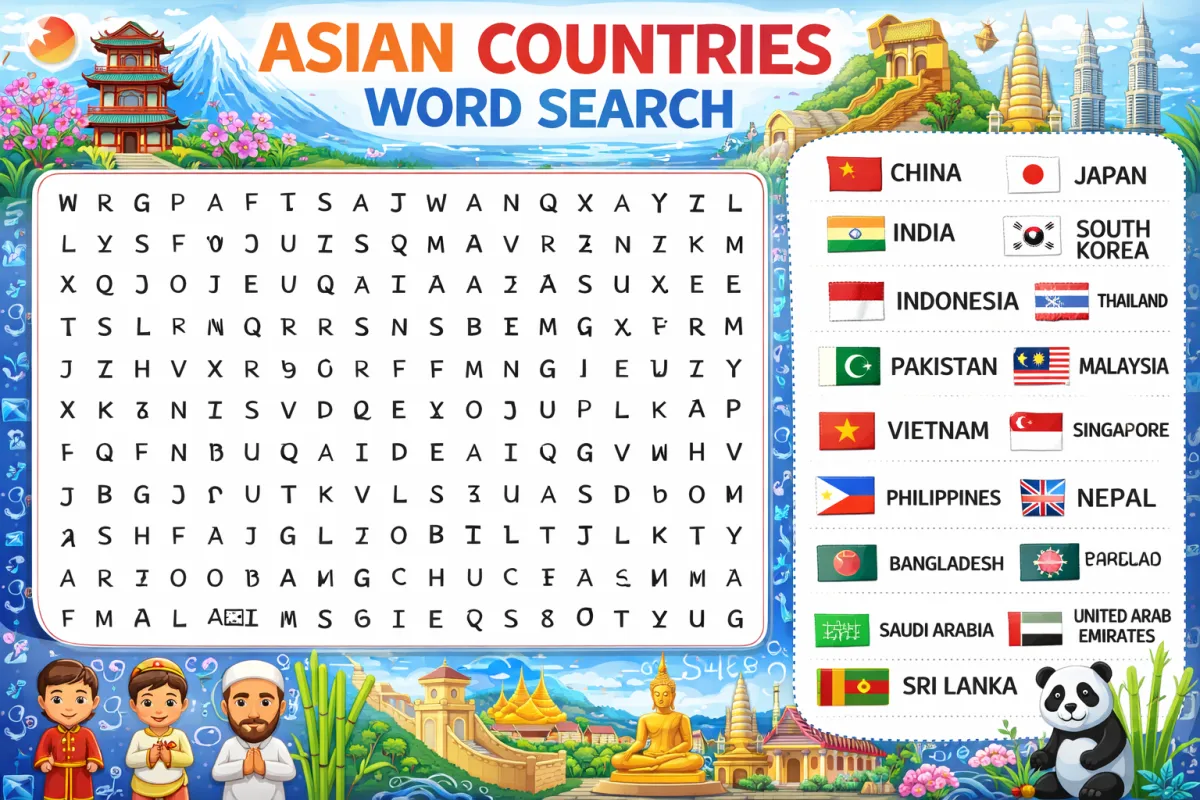
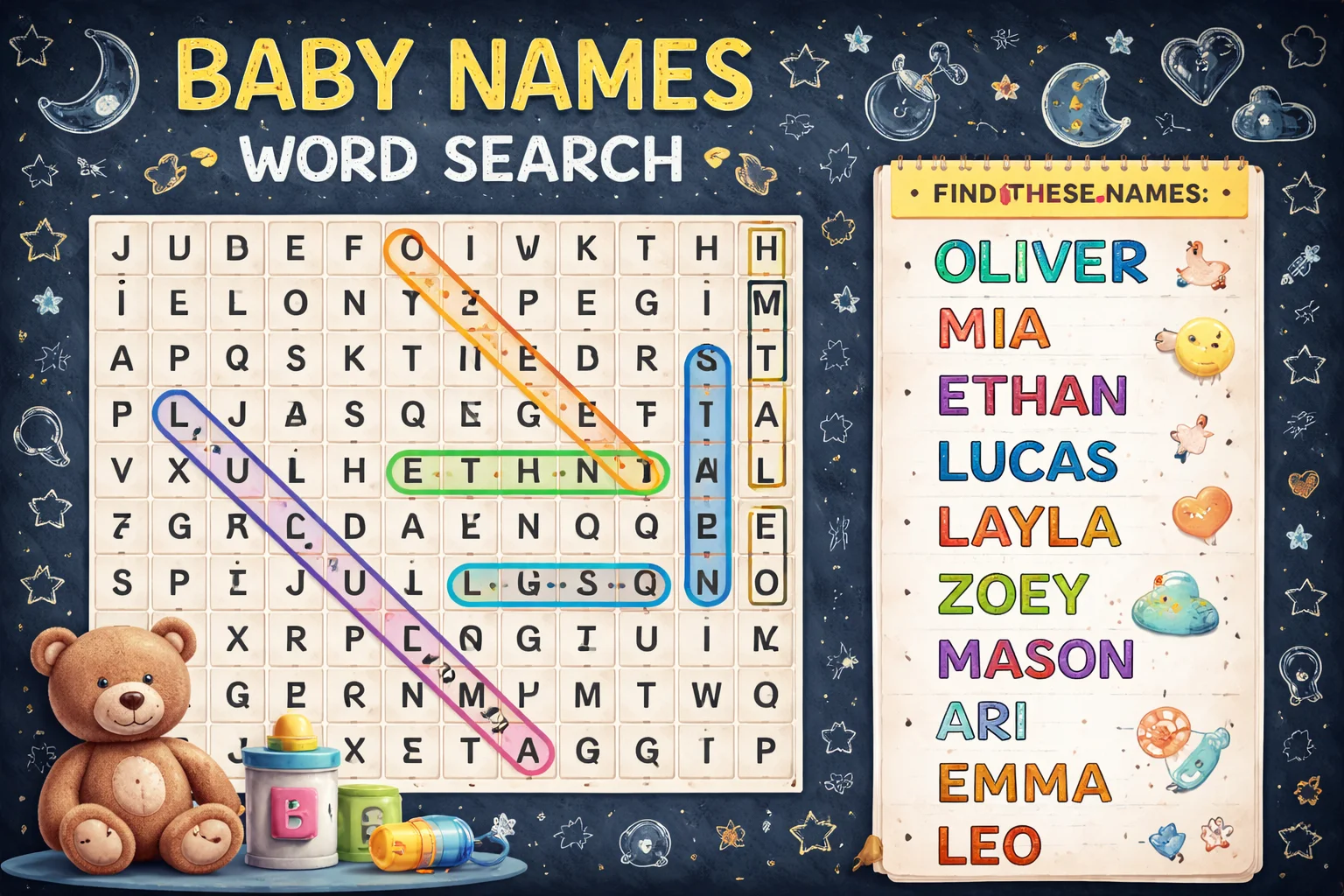
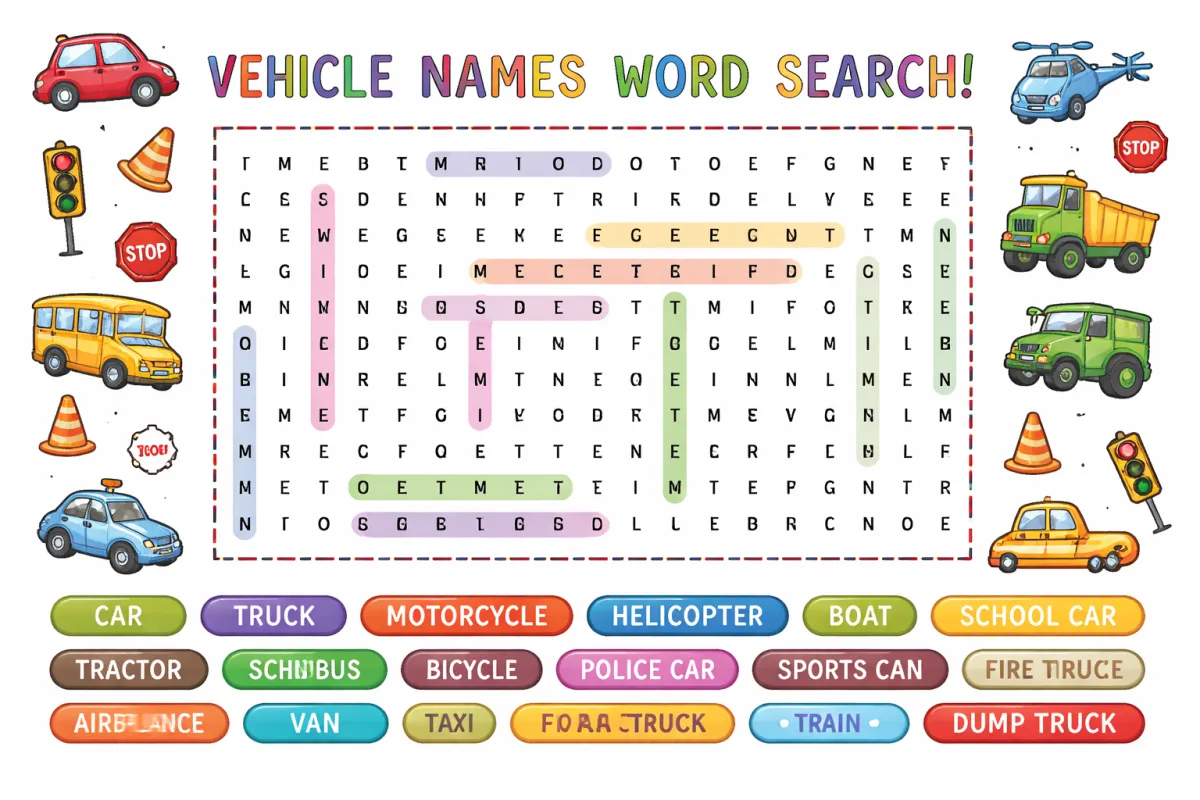
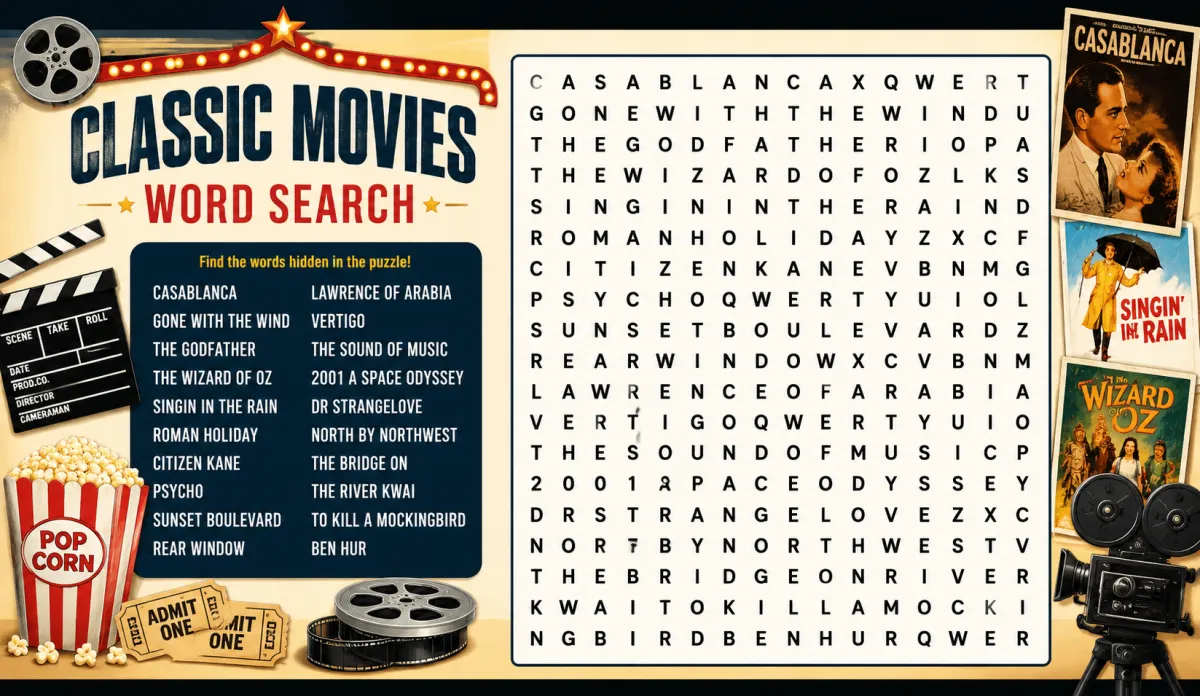
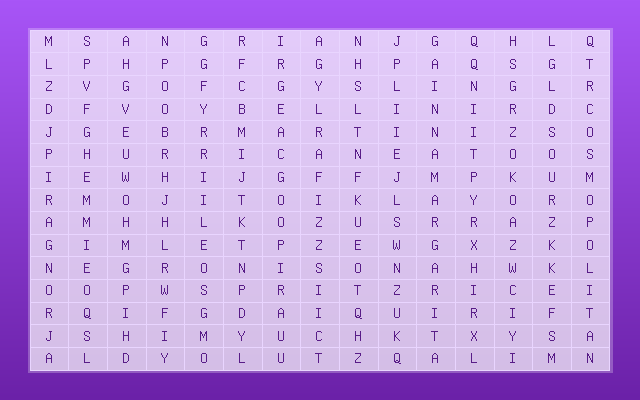
At its core, a superheroes word search is a grid of letters in which the names of superheroes, superhero powers, comic book terms, or related vocabulary are hidden horizontally, vertically, diagonally, or even backwards. The solver's job is to scan the grid carefully and circle or highlight each word from the accompanying list. Unlike a plain vocabulary worksheet, a superheroes word search wraps the learning experience inside an engaging, game-like format that keeps solvers of all ages interested from start to finish.
What makes this particular theme so popular is the sheer breadth of vocabulary available. A superhero word list can include classic hero names, iconic powers, comic book publishers, famous catchphrases, and even the vocabulary of secret identities and origin stories. This variety means a superheroes word search can be tailored for young children just learning to read, older kids who want more of a challenge, or adults who enjoy a nostalgic trip through decades of comic book history.
Why Superhero-Themed Puzzles Work So Well
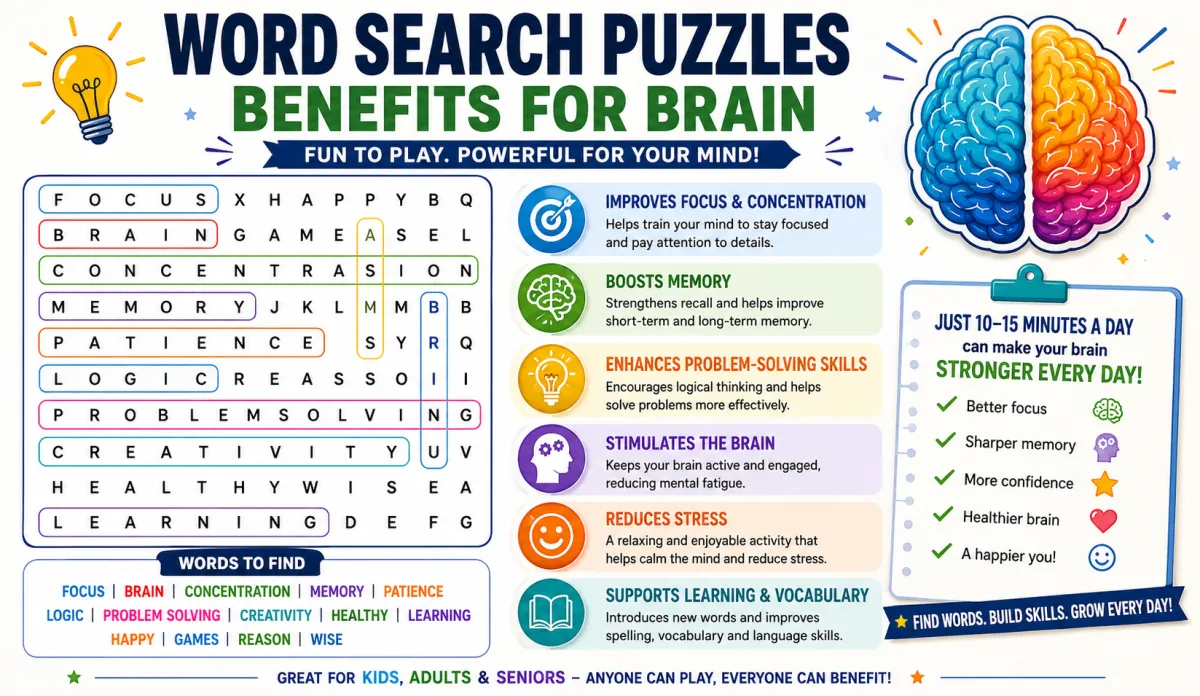
Word search puzzles have long been recognized as an effective tool for building vocabulary and reinforcing spelling, and pairing that format with superhero content adds an extra layer of motivation. Children and adults alike already have an emotional connection to these characters, so hunting for a familiar name in a grid feels less like schoolwork and more like play. This is the same principle that makes any themed puzzle stick in memory: familiarity paired with active searching.
- What Is a Superheroes Word Search?
- Why Superhero-Themed Puzzles Work So Well
- Building a Word List for a Superheroes Word Search
- Choosing the Right Grid Size and Difficulty
- Practical Uses for a Superheroes Word Search
- Tips for Solving a Superheroes Word Search Faster
- The Lasting Appeal of Superhero Vocabulary
- Conclusion
There is also a cognitive benefit at play. Scanning a grid full of letters trains the brain to recognize patterns quickly, a skill that carries over into reading fluency and even mathematical pattern recognition. The solver has to hold a target word in mind, systematically scan rows and columns, and confirm a match once it is found. This combination of memory, attention, and visual scanning is exactly why puzzle-based learning consistently outperforms passive reading when it comes to retention.
For classrooms, a superheroes word search can be a wonderful bridge activity. Teachers introducing a unit on storytelling, mythology, or character archetypes often find that superhero vocabulary resonates far more with students than dry textbook examples. A hero's journey, an origin story, and a moral code are all storytelling concepts that superheroes model in an accessible, exciting way, and a themed puzzle reinforces the vocabulary tied to those lessons.
Building a Word List for a Superheroes Word Search
Creating a strong superheroes word search starts with a well-organized word list. Rather than throwing together a random assortment of names, it helps to group vocabulary into categories:
Hero Names – Classic and modern heroes provide the backbone of most puzzles. Names should be chosen based on the audience; younger children respond well to widely recognized heroes, while older fans might enjoy searching for lesser-known characters from expanded universes.
Powers and Abilities – Words like strength, flight, invisibility, speed, telepathy, and shapeshifting add an educational layer, since these terms often show up in broader vocabulary lessons about physical and abstract concepts.
Comic Book Terminology – Terms such as origin story, secret identity, sidekick, villain, arch-nemesis, and alter ego introduce the structural language of storytelling, giving the puzzle relevance beyond pure entertainment.
Equipment and Symbols – Capes, shields, masks, gadgets, and emblems are concrete nouns that are easy for younger solvers to visualize and spell.
A well-balanced word list mixes short, simple words with a few longer, more challenging ones. This variety in word length is what keeps a superheroes word search interesting for a wide range of skill levels, rather than becoming either too easy or too frustrating.
Choosing the Right Grid Size and Difficulty
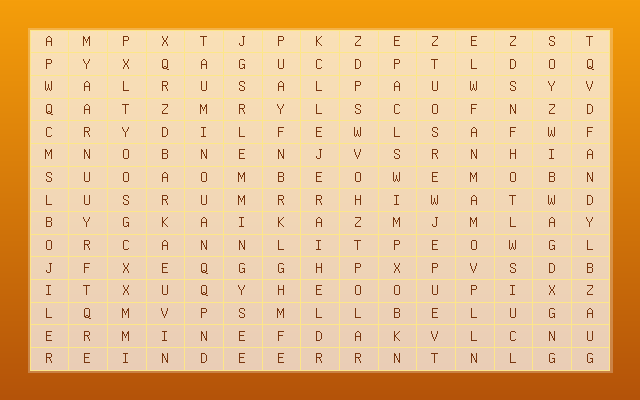
Difficulty in a superheroes word search comes down to three main factors: grid size, word count, and word direction. A smaller 10x10 grid with a dozen straightforward, horizontally placed words is perfect for early readers. As solvers grow more confident, increasing the grid to 15x15 or 20x20, adding diagonal and backwards placements, and including more obscure hero names creates a satisfying challenge for teens and adults.
Many puzzle creators find it useful to build a beginner and an advanced version of the same superheroes word search, allowing the same themed activity to serve multiple age groups in a classroom or family setting. This flexibility is part of why the format has remained popular for decades: a single theme can be adapted endlessly to fit the solver.
- Dog Breeds Word Search
- Space Exploration Word Search
- Stars and Galaxies Word Search
- Solar System Word Search
- Gaming Word Search
- Music Word Search
- Mythology Word Search
- History Word Search
Practical Uses for a Superheroes Word Search
Beyond casual fun, a superheroes word search has genuine practical applications. Teachers use these puzzles as warm-up activities, indoor recess options, or rewards for completed classwork. Because the content is inherently motivating, students who might normally resist a vocabulary exercise will often dive into a superhero-themed puzzle with enthusiasm.
Parents planning a superhero-themed birthday party can print puzzles as party favors or table activities, giving guests something engaging to do while waiting for cake or presents. Librarians running summer reading programs frequently include a superheroes word search alongside book displays, using the familiar character names to draw young readers toward comic book collections and graphic novels they might not have otherwise picked up.

Even outside of structured settings, many adults enjoy a superheroes word search as a quick mental break, similar to how they might approach a crossword or sudoku. The nostalgia of seeing beloved hero names on the page adds a layer of enjoyment that generic puzzles simply cannot replicate.
Tips for Solving a Superheroes Word Search Faster
Solvers looking to improve their speed on a superheroes word search can use a few simple strategies. First, scan the entire grid once for any commonly recognized short names, since these tend to jump out immediately. Next, focus on the longest words in the list, as their unique letter combinations make them easier to isolate compared to shorter, more common word fragments. Working systematically, row by row or column by column, also reduces the chance of missing a word hidden diagonally or backwards. Finally, patience matters: speed naturally improves with repeated practice, and the goal of a superheroes word search is enjoyment as much as challenge.
The Lasting Appeal of Superhero Vocabulary
Part of what keeps a superheroes word search relevant year after year is the way superhero culture continues to grow and evolve. New movies, television series, and comic book arcs regularly introduce fresh characters and terminology, which means a superheroes word search never has to feel stale or outdated. A puzzle built around classic heroes from decades past can sit comfortably alongside one featuring more recent additions to the superhero universe, giving creators an almost endless supply of fresh word lists to draw from.
This constant renewal also makes superhero vocabulary a great choice for recurring classroom or library activities. A teacher might introduce a new superheroes word search each month, rotating through different hero teams, powers, or story elements, keeping the activity fresh for returning students while still reinforcing the same core reading and vocabulary skills. Librarians running long-term reading challenges often use this same rotation strategy, tying each new puzzle to a different graphic novel series currently on display.
Multigenerational appeal is another reason this puzzle format endures. Grandparents who grew up reading classic comic books, parents who watched superhero cartoons in their own childhood, and children discovering these characters for the first time can all sit down with the same superheroes word search and find something familiar. This shared point of reference makes the puzzle a natural activity for family game nights, road trips, or quiet weekend afternoons, bridging generational gaps through a shared love of caped crusaders and masked vigilantes.
Beyond entertainment, a superheroes word search can also gently introduce broader life lessons. Many superhero stories are built around themes of courage, teamwork, responsibility, and doing what is right even when it is difficult. While the puzzle itself is focused on vocabulary, the act of searching for words like "justice," "teamwork," or "courage" alongside hero names can open the door to conversations about the values these characters represent, giving parents and educators a natural, low-pressure way to discuss character and integrity with children.
Conclusion
A superheroes word search brings together everything that makes puzzle-based learning effective: familiar, exciting vocabulary, an adaptable difficulty level, and a format that appeals to children and adults alike. Whether it is used in a classroom lesson, a birthday celebration, or simply as a quiet afternoon activity, this themed puzzle proves that vocabulary building does not have to feel like a chore. By thoughtfully selecting hero names, powers, and comic book terminology, and by adjusting grid size and difficulty to match the solver, anyone can create or enjoy a superheroes word search that entertains while it teaches. For fans of caped crusaders and masked vigilantes everywhere, this puzzle format offers an easy, screen-free way to celebrate the characters they love while sharpening focus, vocabulary, and pattern recognition one hidden word at a time.