Dinosaur Names Word Search: A Prehistoric Puzzle Adventure
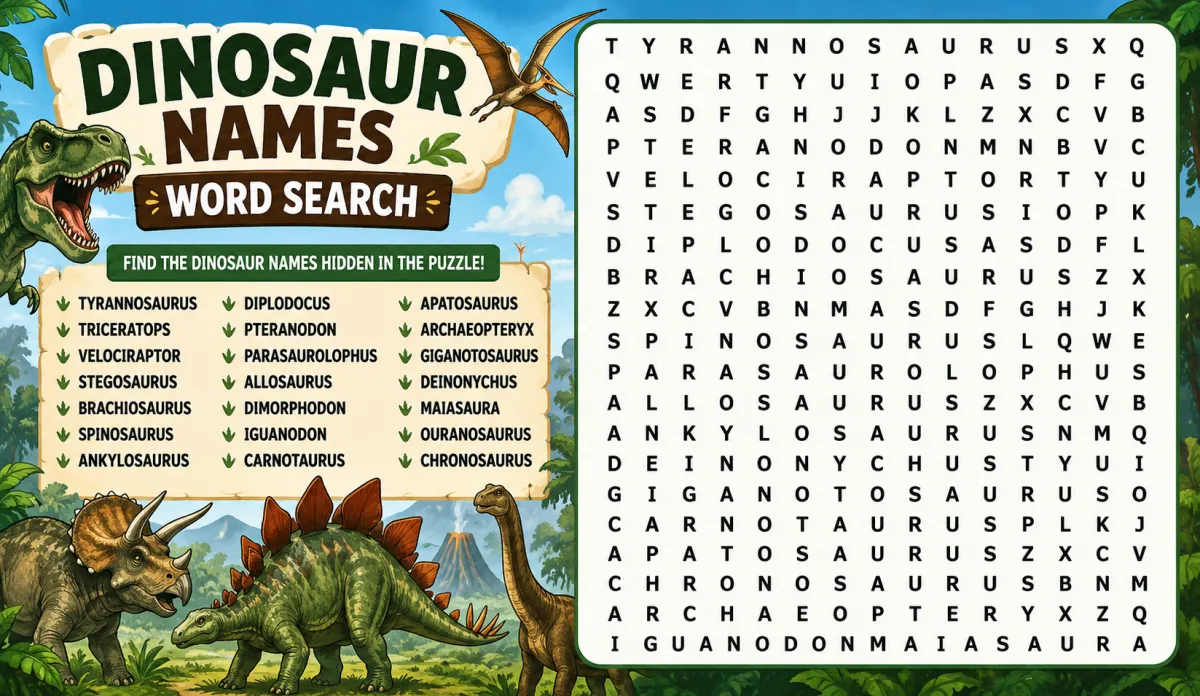
Long before superheroes or sports teams captured our imagination, real giants ruled the earth. Dinosaurs remain one of the most fascinating subjects for children and adults alike, combining genuine scientific wonder with larger-than-life excitement. A dinosaur names word search takes that fascination and turns it into a hands-on vocabulary activity, hiding the names of prehistoric creatures inside a letter grid and inviting solvers to dig them out one word at a time.
What Is a Dinosaur Names Word Search?
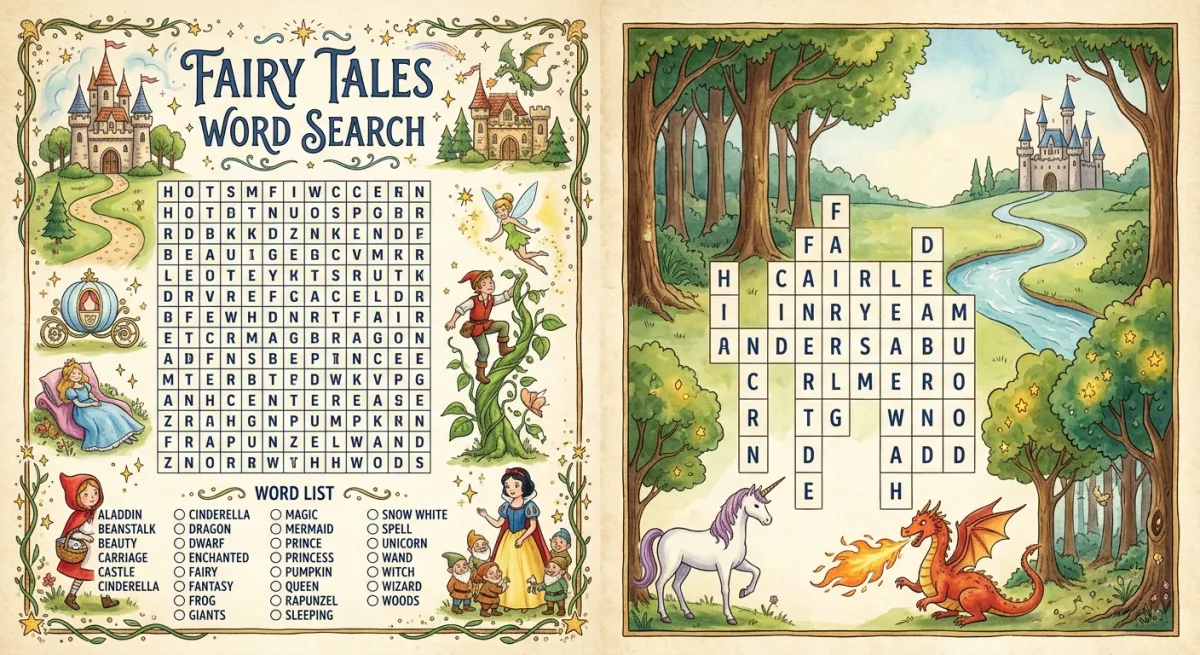
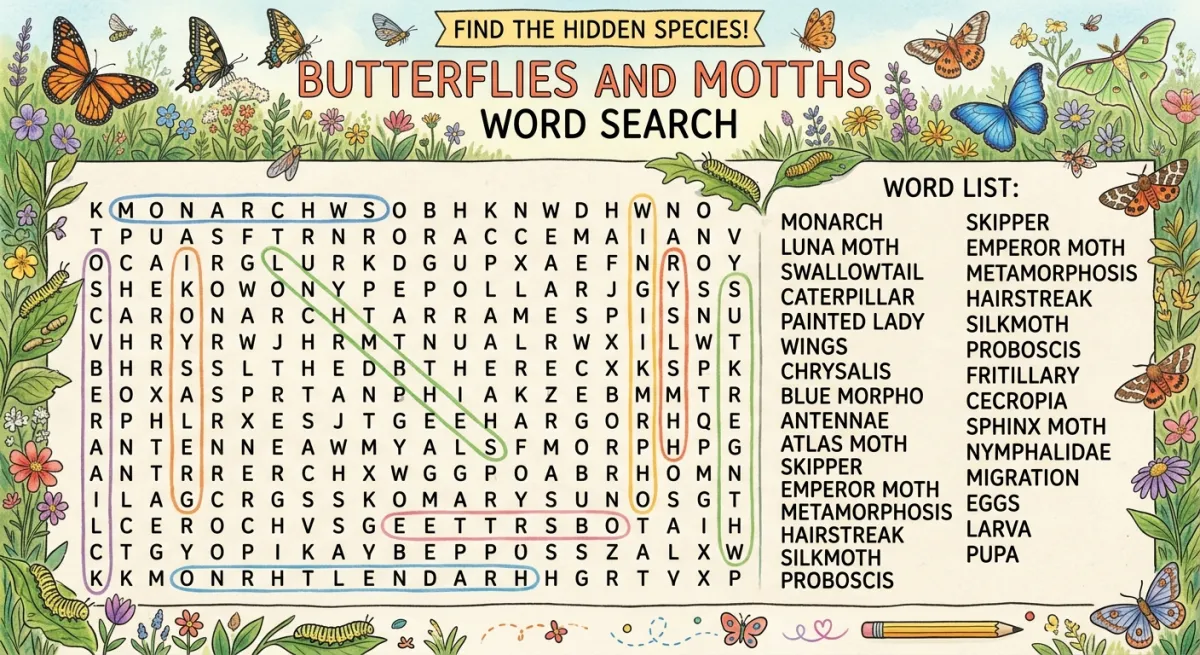
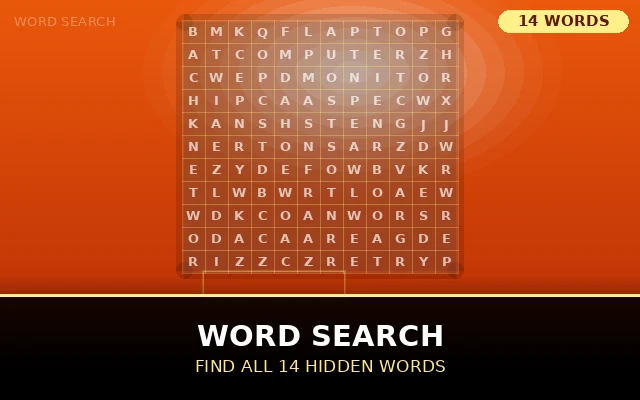
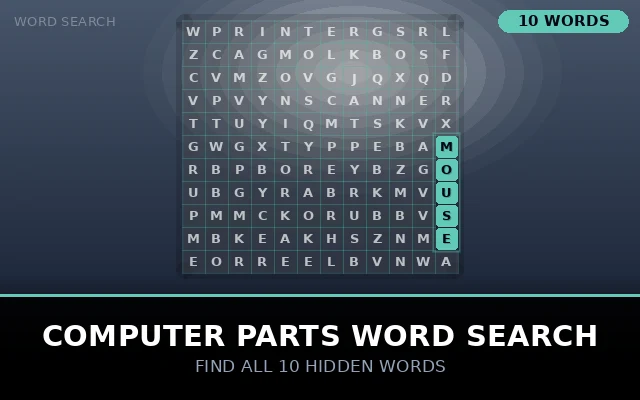
A dinosaur names word search is a grid-based puzzle in which the names of dinosaur species are hidden horizontally, vertically, diagonally, or backwards among rows of letters. Solvers work through a provided word list, scanning the grid to locate and circle each hidden dinosaur name. Unlike a plain spelling list, this format turns paleontology vocabulary into an active, game-like challenge that keeps solvers engaged from the very first hidden word to the last.
What makes this theme so enduring is the built-in sense of wonder dinosaurs carry. Few subjects generate as much natural curiosity among children as these ancient creatures, and searching for a name like "Tyrannosaurus" or "Stegosaurus" inside a dense grid mirrors the same excitement of uncovering a fossil, just from the comfort of a desk or kitchen table.
Why This Themed Puzzle Works So Well
Word search puzzles have long been recognized as effective tools for reinforcing vocabulary and spelling, and pairing that format with dinosaur names adds a powerful layer of motivation. Many dinosaur names are long, unusual, and packed with syllables that rarely appear elsewhere in a child's vocabulary, which makes the act of finding and correctly identifying them feel like a genuine accomplishment.
- What Is a Dinosaur Names Word Search?
- Why This Themed Puzzle Works So Well
- Building a Strong Dinosaur Word List
- Adjusting Difficulty for Every Age Group
- Where This Puzzle Shines
- The Lasting Appeal of Prehistoric Vocabulary
- Pairing the Puzzle With Real Paleontology
- Tips for Solving a Dinosaur Names Word Search Quickly
- Conclusion
This activity strengthens several cognitive skills at once. Locating a hidden word requires the solver to hold a target name in working memory while systematically scanning rows and columns, a mental task that builds sustained attention and focus. For children who love dinosaurs but struggle with traditional reading exercises, a dinosaur names word search offers a structured yet enjoyable way to practice exactly those skills without the activity ever feeling like schoolwork.
There is also a natural bridge into science education built into this theme. Encountering unfamiliar names such as Velociraptor, Pterodactyl, or Brachiosaurus in a puzzle format creates a memorable first exposure, often prompting curious questions about what the creature ate, how large it was, or when it lived. Teachers and parents can use that curiosity as a springboard into broader lessons on prehistoric life, fossils, and the science of paleontology.
Building a Strong Dinosaur Word List
Creating an effective dinosaur names word search starts with a well-organized word list that spans a range of difficulty levels:
Iconic Carnivores – Tyrannosaurus, Velociraptor, Allosaurus, and Spinosaurus anchor most puzzles with widely recognized, exciting names.
Gentle Giants and Herbivores – Brachiosaurus, Triceratops, Stegosaurus, and Diplodocus introduce longer, more challenging words that reward careful scanning.
Flying and Swimming Reptiles – Pterodactyl, Plesiosaurus, and Ichthyosaurus expand the puzzle beyond land-dwelling dinosaurs, adding scientific nuance for older solvers.
Smaller and Lesser-Known Species – Compsognathus, Ankylosaurus, and Iguanodon give advanced puzzlers something more obscure to hunt for, while shorter names like Trex or Raptor keep the list approachable for beginners.
Balancing short, familiar names with a handful of longer, more technical ones ensures that a dinosaur names word search stays engaging across a wide range of ages, rather than feeling either too simple or too overwhelming.
Adjusting Difficulty for Every Age Group
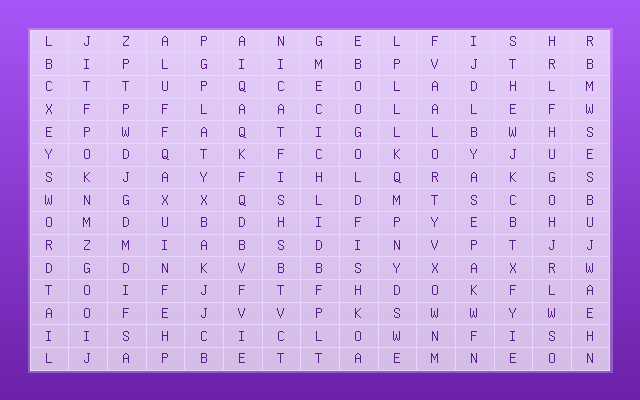
As with any word search, difficulty depends on grid size, word count, and the directions words are allowed to appear in. A 10x10 grid with a dozen straightforward horizontal names works well for young children just discovering their favorite dinosaurs. As solvers grow more confident, expanding to a 15x15 or 20x20 grid, adding diagonal and backwards placements, and introducing longer or lesser-known species names creates a genuinely challenging experience for older students and dedicated dinosaur enthusiasts.
Many teachers prepare two versions of the same dinosaur names word search, a simplified beginner grid for early readers and a more advanced version for older classes, allowing a single themed activity to serve an entire school unit on prehistoric life.
- Gaming Word Search
- Music Word Search
- Mythology Word Search
- History Word Search
- Superheroes Word Search
Where This Puzzle Shines
A dinosaur names word search fits naturally into many settings. Elementary school teachers frequently use it when introducing a science unit on prehistoric life, giving students a fun way to build vocabulary before diving into more detailed lessons on fossils and extinction. Natural history museums often include a version of this puzzle in gift shop activity books or family trail guides, reinforcing what visitors just learned while exploring a dinosaur exhibit.
Parents planning a dinosaur-themed birthday party can print copies as party favors or table activities, giving young guests an engaging way to pass time while waiting for cake and games. Homeschool families studying earth science or biology can pair a dinosaur names word search with a short lesson on the different geological periods, using the puzzle as a fun reinforcement activity rather than a standalone worksheet.
Even outside formal educational settings, many adults who grew up fascinated by dinosaurs enjoy themed puzzles like this one simply for the nostalgic sense of wonder they bring back, treating the activity much like a relaxing crossword or sudoku session, but with the added appeal of ancient, larger-than-life names.
The Lasting Appeal of Prehistoric Vocabulary
Part of what keeps a dinosaur names word search endlessly replayable is the sheer scale of species discovered so far, with new dinosaurs still being identified by paleontologists around the world. This means a fresh dinosaur names word search can always be built around newly discovered species, keeping the theme feeling current even though the subject matter is hundreds of millions of years old. A puzzle built around classic, well-known dinosaurs can sit comfortably alongside one featuring more recently named species, giving puzzle creators an almost endless supply of fresh word lists.
This constant renewal also makes dinosaur vocabulary a strong choice for recurring classroom activities. A teacher might introduce a new dinosaur names word search each week during a paleontology unit, rotating through different dinosaur groups such as carnivores, herbivores, or flying reptiles, keeping the activity fresh while reinforcing the same core reading and vocabulary skills. Multigenerational appeal plays a role here too, since dinosaurs have captivated children for generations, meaning parents and grandparents often share the same enthusiasm as the young solver working through the grid, making it a natural activity for family game nights or long car rides.
Pairing the Puzzle With Real Paleontology
A dinosaur names word search becomes even more valuable when paired with a short discussion of real paleontological discoveries. Since new dinosaur species are still being unearthed by scientists around the world, teachers can occasionally refresh their word lists with a recently named species, giving returning students something new to search for while reinforcing that paleontology is an active, ongoing field of science rather than a closed chapter of history. This small addition keeps a familiar puzzle format feeling current and encourages solvers to see themselves as part of an evolving story rather than passive learners of fixed facts.
Tips for Solving a Dinosaur Names Word Search Quickly
Solvers looking to move through a dinosaur names word search efficiently can use a few simple strategies. First, scan the entire grid once for short, commonly recognized names like "Trex" or "Raptor," since these tend to stand out immediately. Next, focus on the longest words in the list, such as "Tyrannosaurus" or "Brachiosaurus," as their unusual letter combinations make them easier to isolate once the general shape is known. Working systematically through the grid, row by row and then column by column, helps ensure that diagonal or backwards names are not overlooked. As with any puzzle, patience matters most, and speed naturally improves the more the format is practiced.
Conclusion
A dinosaur names word search brings the excitement of prehistoric life onto the page, turning long, unusual species names into a genuinely engaging vocabulary-building activity. By combining iconic carnivores, gentle giants, and flying reptiles within a flexible, scalable format, this puzzle appeals to curious young children and lifelong dinosaur enthusiasts alike. Whether used as a classroom science activity, a themed birthday celebration, or simply a relaxing personal pastime, a well-built dinosaur names word search proves that learning about the ancient world can be every bit as thrilling as imagining these incredible creatures walking the earth.